


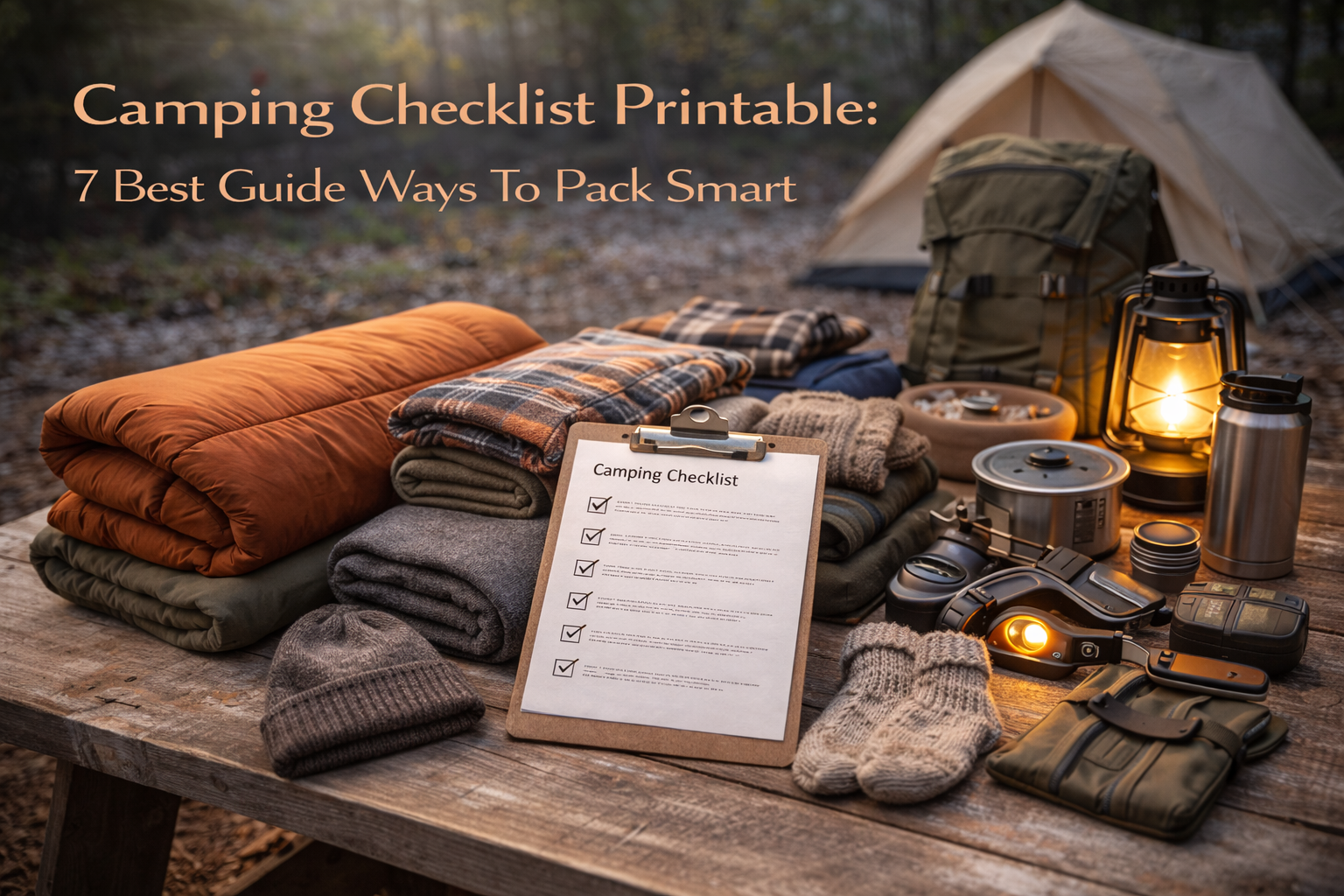
Camping checklist printable resources can mean the difference between a comfortable, restful adventure and a frustrating, sleepless night in the outdoors. Most beginner campers worry about forgetting essentials or lugging way too much. The right printable camping checklist, tailored to your comfort level and trip style, prevents these mistakes and makes every trip easier, faster, and warmer. This guide offers a realistic, practical strategy with printable templates—plus smart hacks for all-in comfort without unnecessary bulk, wasted money, or setup stress.
Key Takeaways
- A customizable camping checklist printable prevents the most common comfort failures (missing layers, untested sleep setups, forgotten lighting, and overpacking/underpacking).
- Choose your gear using cost tiers and weighted priorities (comfort, portability, price) on your PDF camping checklist—ditch gear you don’t need for your mode (car/RV vs. backpacking).
- Flexible templates let you scale for group size, family needs, allergies, and add small high-impact comfort extras that most lists miss—sleep better and have fewer surprises.
- Top comfort-related packing mistakes beginners make — and how a printable checklist prevents them
- Building a cost-aware PDF checklist: budget vs premium comfort items
- Weight and bulk thresholds — when to choose cozy car-camping gear vs lightweight backpacking gear
- Small, often-missed items that dramatically improve sleep quality
- How to handle cold nights: planner logic when data on campground lows is limited
- Real setup and pack-down time expectations and time-saving tips from experience
- Making the printable checklist flexible for group size and special needs
- FAQ: Camping Checklist Printable & Planner
Top comfort-related packing mistakes beginners make — and how a printable checklist prevents them
Packing for your first camping trip seems easy—until you realize you’ve brought heaps of the wrong things while forgetting the comfort essentials. Most beginners miss the mark by overpacking unnecessary clothing, not bringing enough layers, skipping proven weatherproof items like rain jackets, and never testing their sleep system. This leads to cold, uncomfortable nights and wasted energy. According to multiple camping sources (source, source, source), common issues include missing lighting, forgetting insect repellent, and not trialing your tent or sleeping bag before departure. A thoughtfully crafted camping checklist printable helps you lay out, sequence, and test gear pre-trip, ensuring you catch gaps before heading out, pack the right amount, and avoid the miserable combination of too little or too much stuff.
Building a cost-aware PDF checklist: budget vs premium comfort items
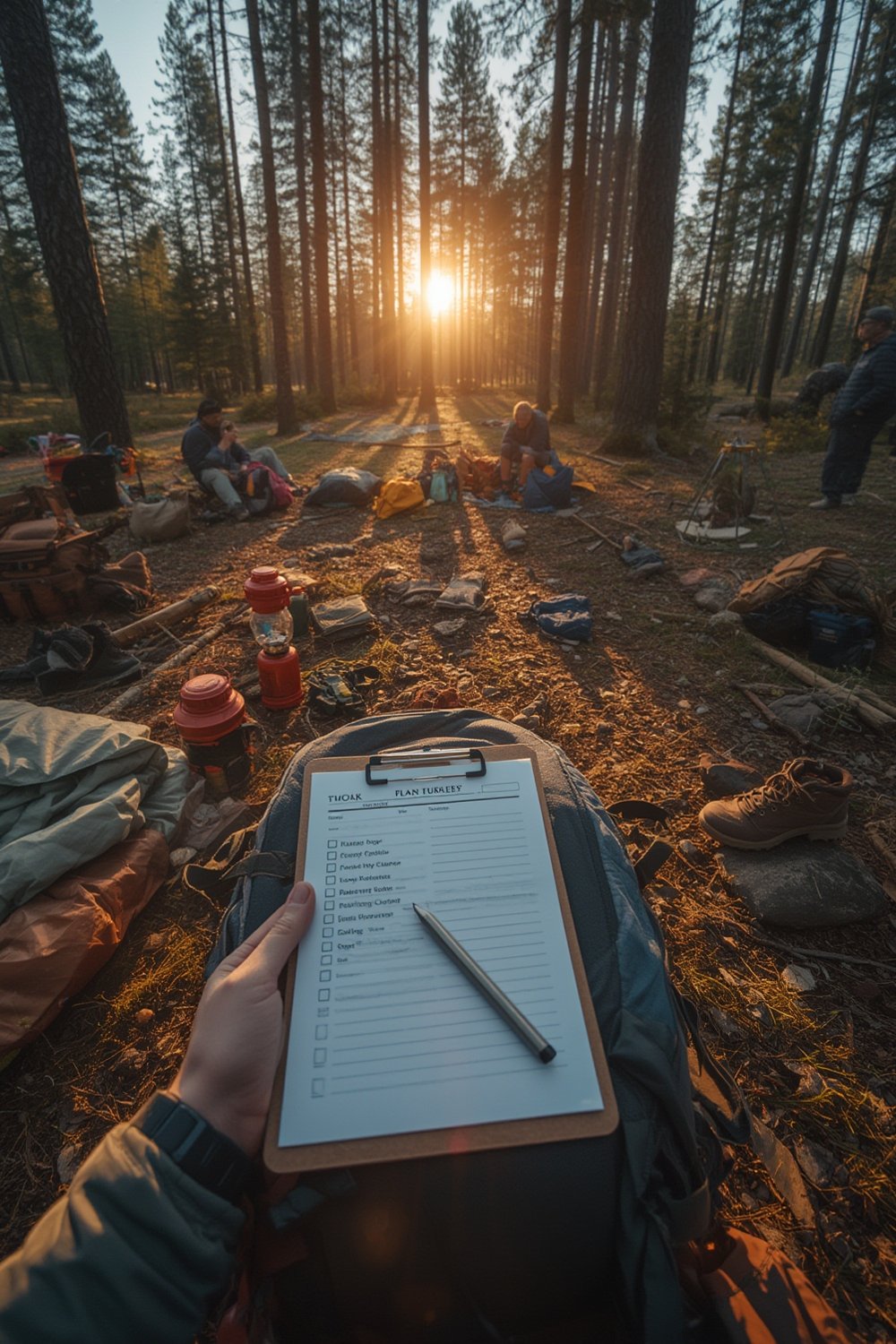
Your camping checklist should not break the bank, but it must protect your comfort. Instead of using generic lists, create or download a PDF camping checklist with three price tiers for the main comfort items (sleeping pads, camp pillows, insulated mugs, and portable lighting). In each column, you set your budget and choose the level of comfort and weight.
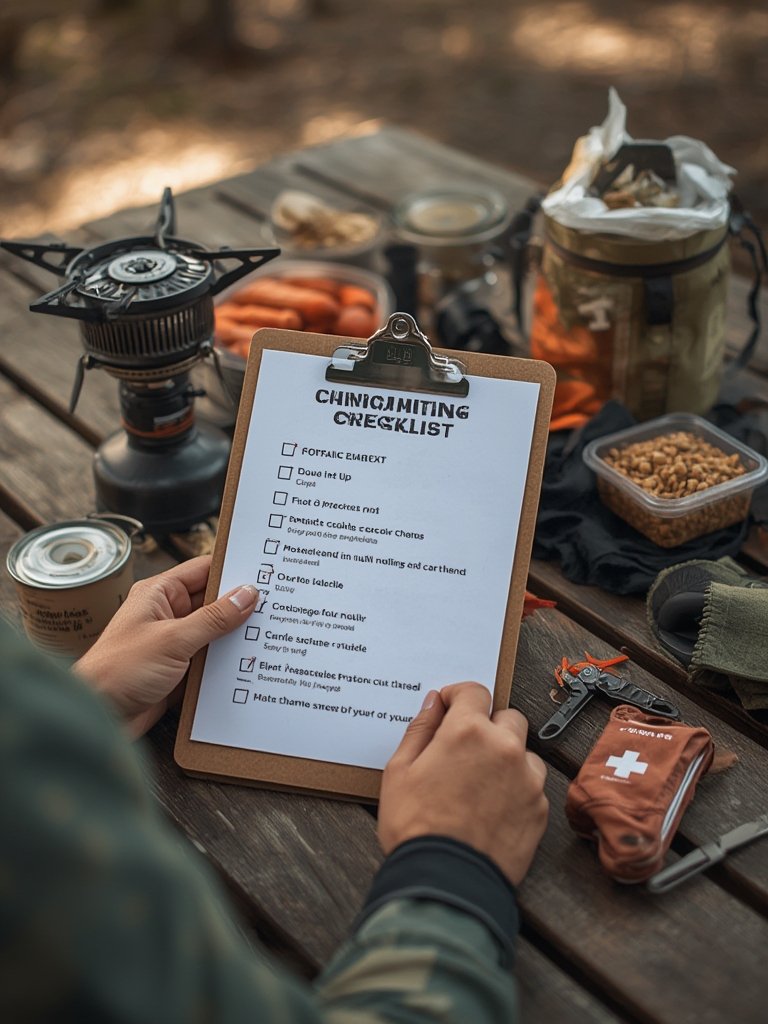
Here’s how to fill out your camping planner and checklist—include the below table for each comfort item:
| Item | Budget | Mid-Range | Premium | Weight Notes | Quantity/Custom |
|---|---|---|---|---|---|
| Sleeping Pad | Foam pad ($20-40) | Inflatable, uninsulated ($40-70) | Inflatable, insulated ($100+) | Bulkier as budget; lighter as price rises | [field] |
| Camp Pillow | Rolled hoodie/free! | Compressible travel pillow ($20-40) | Ultralight inflatable ($40-70) | Budget is bulky, premium is smallest | [field] |
| Insulated Mug | Regular mug ($5) | Double-wall plastic ($15) | Vacuum insulated ($30+) | Premium keeps drinks hot/cold longest | [field] |
| Lighting | Hand flashlight ($2-5) | Headlamp ($20) | Rechargeable, multi-setting lantern ($35+) | Rechargeable saves on batteries/weight | [field] |
This helps you actively choose which comfort matters most and lets you keep costs proportional to your priorities. There is a lack of reliable average cost data for these gear categories source, so a tiered template is the best solution for your camping planner.
For more cost-saving tips, check out this breakdown of the best camping hacks.
Weight and bulk thresholds — when to choose cozy car-camping gear vs lightweight backpacking gear
Car camping and backpacking require very different checklist logic. With car or RV camping, you can afford to bring bulkier, cozier items: full-size pillows, thick sleeping pads, and collapsible chairs. For backpacking, weight becomes critical. The standard guideline: total pack weight should not exceed about 15–20% of your body weight—roughly 30 pounds for a 150-pound person (source). Exceeding this leads to discomfort, fatigue, and makes every step harder—especially with elevation gain or kids in tow.
Key tips for checklist creation:
- Use a car camping checklist for trips with easy vehicle access; include bulkier comfort and cooking items.
- For backpacking, prioritize the “Big 3”: pack, shelter, and sleep system. Keep clothing simple—one for hiking, one set for camp, and limit extras to the essentials.
- Set per-item weight/bulk caps on your printable camping checklist (e.g., sleeping pad under 2 pounds, only bring enough water for initial stretch if refilling is possible).
- Always lay out everything you plan to bring, and do a trial pack—then remove anything you realistically don’t need.
For car camping setup inspiration, see these cozy camp night setup tips.
Small, often-missed items that dramatically improve sleep quality
Competitive printable camping checklists often skip little things that can completely change your camp sleep. Research shows sleep quality tanks when campers miss “noise and light blockers,” don’t test their sleeping bag warmth, or forget easy fixes like hand warmers (source).
Consider these optional (but high-impact) printable camping checklist additions:
- Earplugs (for noisy neighbors, rustling wildlife, or group snores)
- Blackout eye mask (for full-moon or early sunrises in summer)
- Compact hand warmers (for when the forecast lies and lows drop fast)
- Sleeper bag/lid liners (adds warmth to a cheap bag)
- “Test at home” prompts on your planner: unroll and try your sleep system for 20 minutes before the trip
- Backyard overnight trial to troubleshoot comfort/pain points in a safe setting
Most standard checklists skip these customization prompts—add them and test before you go. For detailed sleep comfort, study these minimal cozy camping guides.
How to handle cold nights: planner logic when data on campground lows is limited
Weather at camp is unpredictable—campgrounds rarely publish their average lows, and elevation changes everything. Your PDF camping checklist or planner should have a simple toggle/decision path: if the forecast low is near or below your sleep system’s limit, or you’re headed above 3,000 feet in spring, include:
- Extra warm base layers
- Insulated/vacuum mug for hot drinks in the evening
- Hand warmers for your sleeping bag
- Sleeping bag liner and hat
- Optionally, a weatherproof emergency blanket (cheap, ultra-packable backup)
Always check your local or park forecast, then add +10°F to the forecast low “just in case”—cold snaps happen. Without published statistics, force your camping planner to prompt “Test sleeping setup at forecast low plus margin.” If you wake up cold at home, you’ll definitely be cold outside.
For proven tips on sleeping warm, see the cozy camping checklist.
Real setup and pack-down time expectations and time-saving tips from experience
Beginners rarely realize how much time setup and pack-down can actually take—especially with new, untested gear. Setting up a basic car-camp in ideal weather might take 20-40 minutes; expect at least double for the first trip and always budget extra time for dusk or rain. Pack-down goes faster, but only with a good checklist and practiced system.
- Always do at least one backyard setup and tear-down of your tent before the trip.
- Practice “unpack in order”: lay out all items at home, checking off your camping checklist printable field by field.
- Know where your water source is or bring extra (remember: 1 liter is about 2 pounds in your pack).
- Share cooking and shelter gear if possible—don’t duplicate stoves or pots for every group member.
For more time hacks, these checklist tips for beginners offer real-world examples.
Making the printable checklist flexible for group size and special needs
One-size-fits-all checklists break down quickly for families, groups, or people with allergies. Most templates fail to scale key items by group size, neglect shared gear like cookware, ignore allergy medicine prompts, and forget to ask about young children’s or babies’ gear needs (source).
To fix these common issues, a flexible PDF camping checklist or camping planner should:
- Auto-calculate item quantities by group size (e.g., 1 sleeping pad per camper, 1-2 pots per group, not per person)
- Add family/toddler-specific fields (blankets, diapers, bottle cleaning, special snacks)
- Include a quick allergy & medication prompt—list common allergens and personal needs at the top
- Flag “shared” versus “individual” items, so you don’t overpack or forget key group gear
- Assign roles (“who carries stove? who has first aid?”)
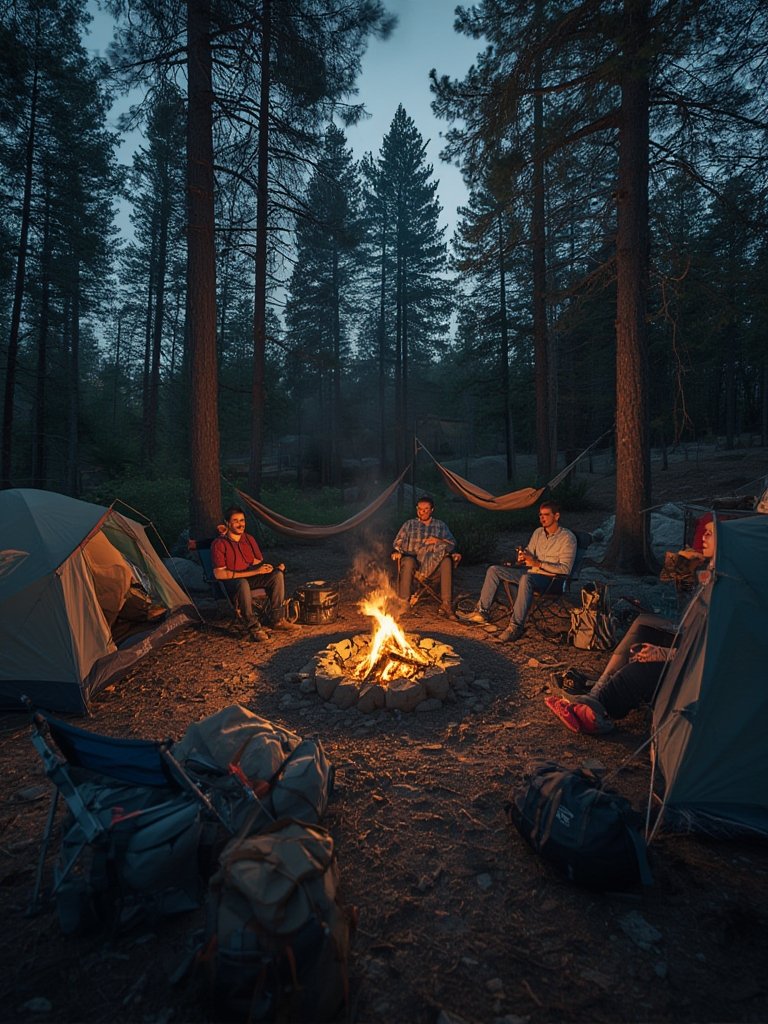
For even more tips on group organization and shared comfort setups, refer to these car camping comfort essentials.
Conclusion: Get Your Own Custom Camping Checklist Printable and Sleep Well Anywhere
Packing for comfort is less about the fanciest gear, and more about the right gear for the right trip, with nothing missed or wasted. By using a camping checklist printable you actively review in advance, you’ll avoid the most common sleep and packing disasters. Use a cost-tier table, weight/bulk rules, group-scaling fields, and all the comfort extras you need for a better trip, every time.
Don’t repeat preventable mistakes—download your printable camping checklist, customize it, and test it before you leave. Ready to start planning your best camp night yet? Download or build your PDF camping checklist now and see the results on your next trip.
FAQ: Camping Checklist Printable & Planner
What is the most important comfort item beginners forget on their first camping trip?
Most commonly, beginners forget layered clothing for warmth and reliable lighting. Both are key for staying comfortable and avoiding poor sleep or early discomfort as temperatures and daylight drop.
How do I customize a printable camping checklist for group camping?
Choose a checklist template that lets you adjust item quantities by group size, flag shared items, and assign roles. Add group fields for food, cookware, shared shelter, and family-specific needs to avoid both overpacking and leaving essentials behind.
Can a PDF camping checklist help me save money?
Yes—a cost-tiered PDF camping checklist lets you mix and match budget and premium gear sensibly. By comparing trade-offs for each item, you invest in comfort where it matters most and avoid overspending where budget or home-based alternatives are effective.
What weight limit should I follow for backpacking trips?
Aim for about 15–20% of your body weight as your total packed weight (e.g., 30 lbs for a 150 lb camper). Prioritize the lightest “Big 3” items and limit extras to essentials to avoid fatigue and discomfort.
Which small items make the biggest improvement in camping sleep?
Earplugs, blackout eye masks, hand warmers, and a pre-trip sleep system test are subtle changes that dramatically improve sleep. These are often missing from checklists but essential for light sleepers and cold nights.