


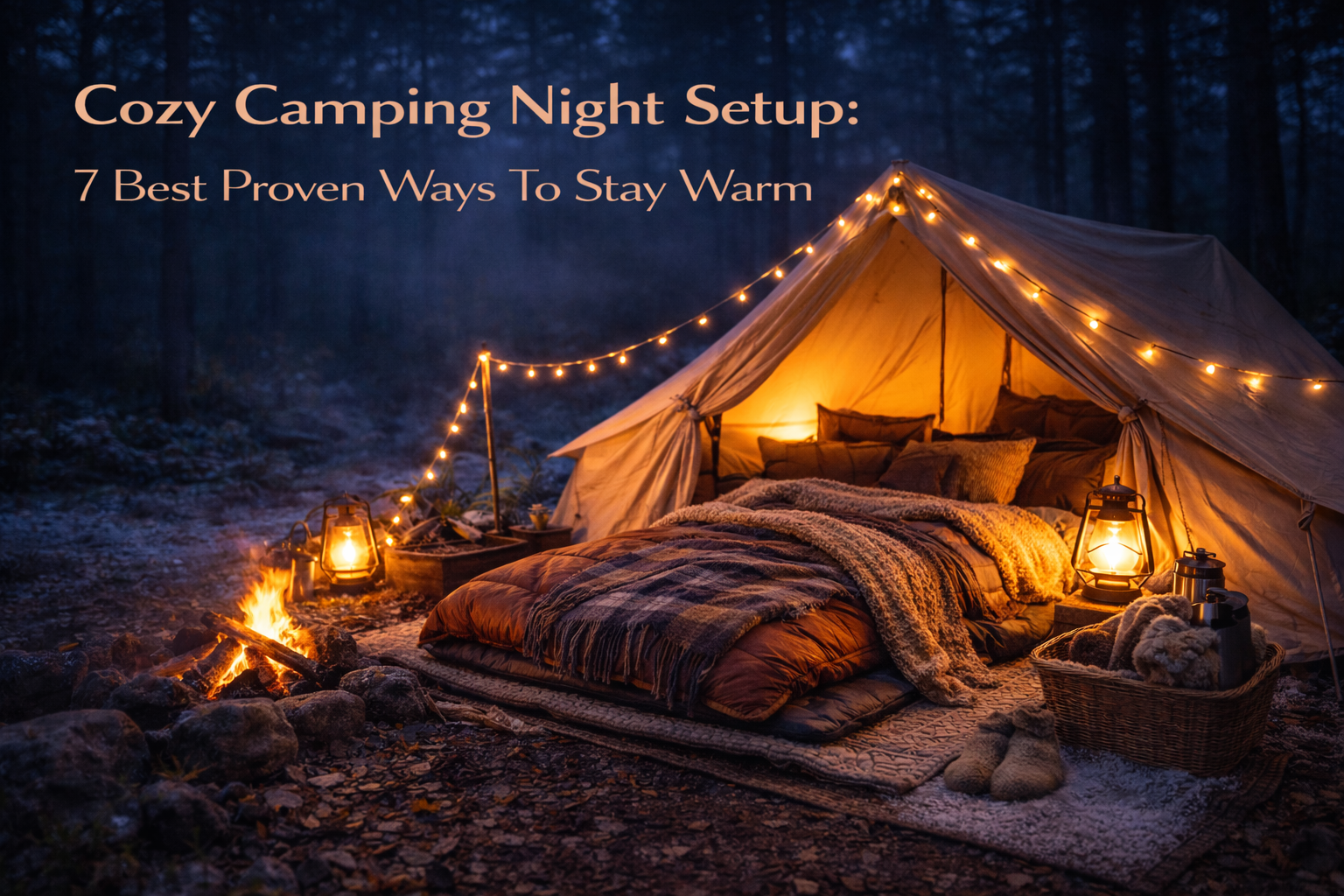
Cozy camping night setup is about more than just avoiding the cold. It’s about transforming your campsite into a warm, inviting retreat—without lugging a truckload of gear or risking safety for atmosphere. Here’s what modern casual campers really need to know to get cozy and stay safe—all based on tested gear, real pain points, and beginner-friendly, low-fuss techniques.
Key Takeaways
- Modern cozy camping comes from a balance of warm-light technology, smart compact gear, and simple comfort tricks—prioritize portability and safety over bulk and brightness.
- Tested rechargeable, multi-mode lanterns and solar string lights are proven for real-world coziness; don’t overlook fast setup tricks and safe light/fire placements.
- Truthfully itemize costs and resist overbuying—entry-level lighting is reliable for solo campers at $30; premium or group setups may reach $80–$150, but many “extras” can be skipped.
- What “cozy” means for a camping night setup
- Step-by-step: How to create a cozy camping night setup
- Advanced analysis & common pitfalls
- Conclusion
- FAQ
What “cozy” means for a camping night setup
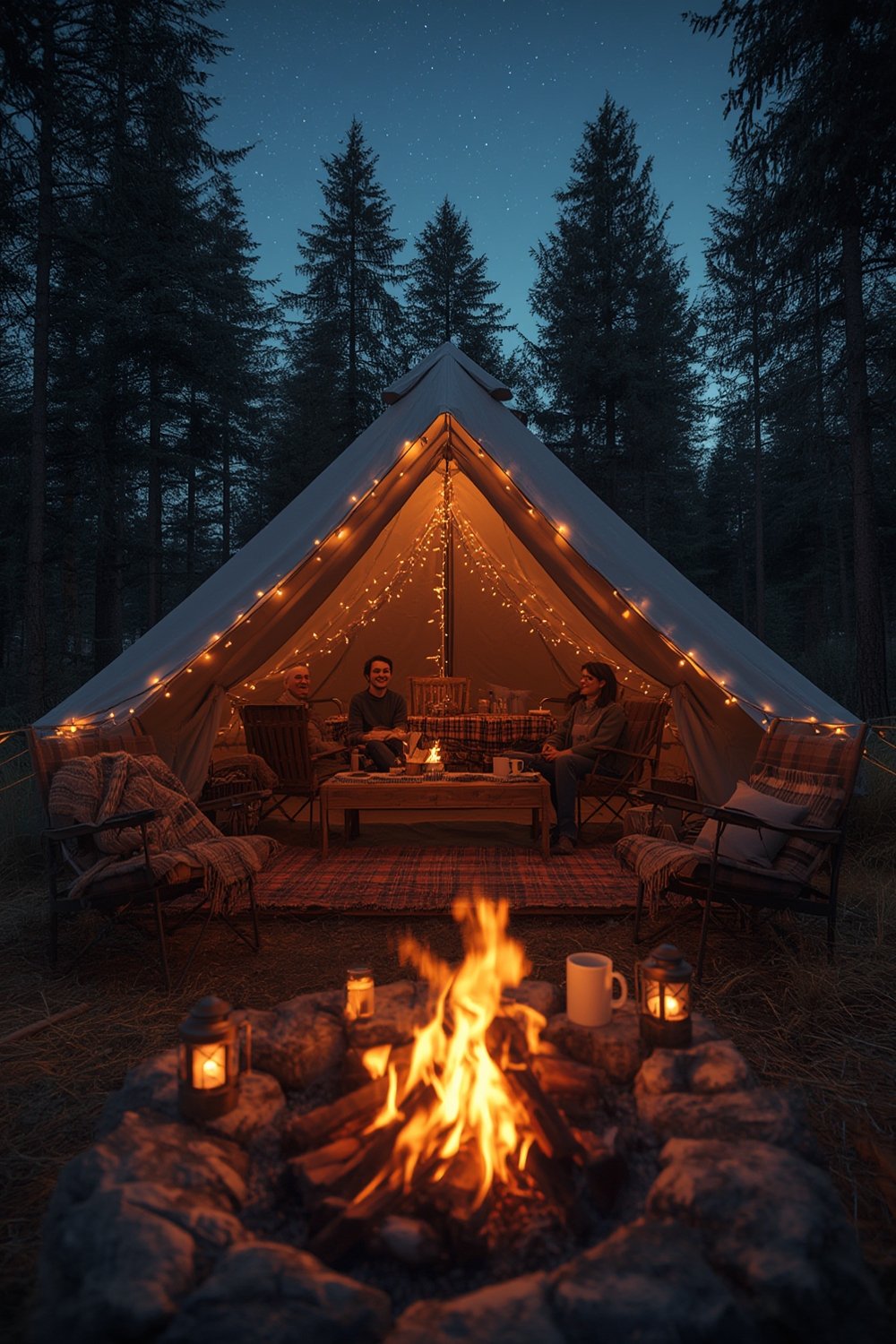
Cozy means warmth and comfort you can feel—not just a bright tent or firepit. A proper cozy camping night setup is about crafting soft, ambient light (not hospital-bright glare), keeping warmth at the ground level, and creating one small social “focal point” for gathering after sundown. Cozy setups are trending toward lightweight, rechargeable lanterns under 1 lb, replacing heavy lanterns or disposable batteries you used to see at campsites.
What sets cozy apart from purely functional or “minimal” is intention: soft warm glows (2700–3200K color temperature), strategic insulation, and lots of quick warmth—never relying on just one bright beam or uncomfortable seating on cold dirt. This isn’t just theory—real campers consistently report that dispersion of warm light and simple ambient zones do more for warmth than any single gadget alone.
Learn more about the difference between cozy and minimal camping setups in this minimal cozy camping guide.
Step-by-step: How to create a cozy camping night setup
- Pick the Right Lighting: Warm, Rechargeable, Multi-mode
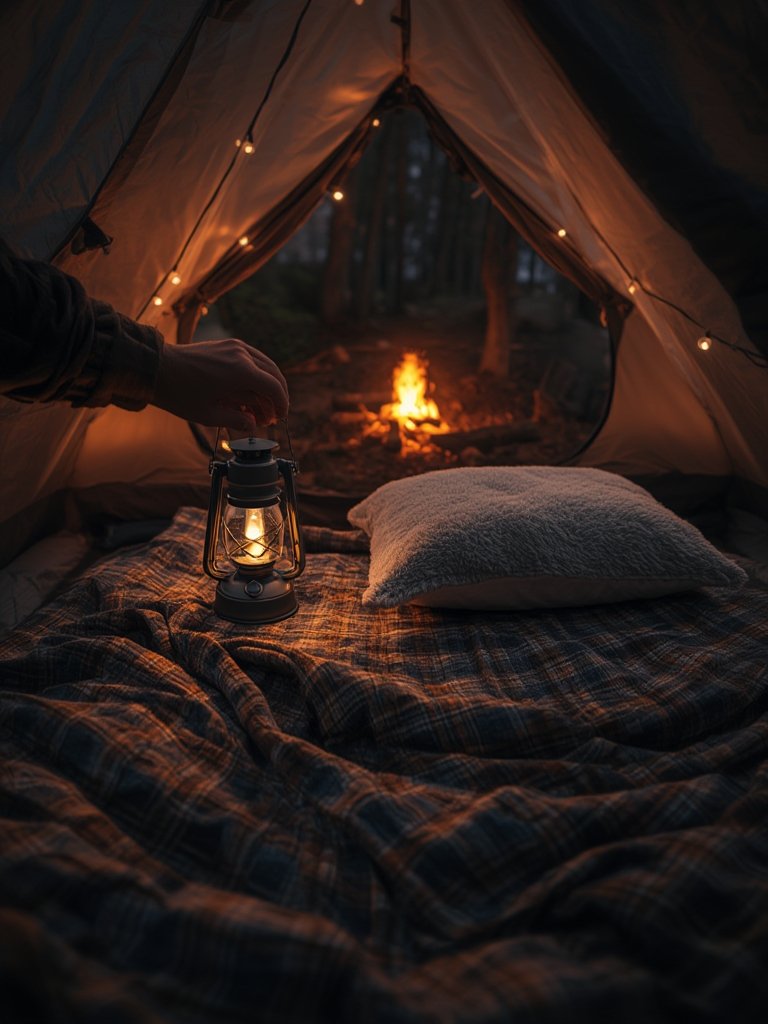
Light sets the mood. Choose lanterns with a warm color temperature (2700K–3200K, e.g. BioLite AlpenGlow 500, LuminAid Packlite Max). Look for battery specs: aim for 100+ hours on low (for reading, chatting) and at least 5 hours on high (for dinner/task lighting). Solar or hand-crank extras are ideal for runtime anxiety. String lights add ambiance (but can be a tangle if not secured). - Weatherproof Your Setup
Check manufacturer waterproof ratings: IPX4 (splash-resistant; most brands), IP67 (fully submersible, e.g. BioLite Luci Charge 360). For most car and walk-in camping, IPX4 is enough unless heavy rain is likely. Remember: battery life may drop in cold or wind. - Insulate at the Ground
Use a quick ground sheet, foam pad, or compact reflective layer under your main seating or sleeping zone. This fixes the #1 new-camper complaint—cold or damp bottoms—even more than adding extra blankets. Efficient insulation can be learned from this cozy camping checklist. - Create a Clustered Light Zone
Instead of scattering several small lights, cluster your best warm lantern and/or string lights near your “living” area for a single, inviting pocket of both light and warmth. Keep the rest of the space darker for stronger cozy effect. - Plan for Quick Setup—and Safety Checks
Decide in advance where the lighting, fire, and sleeping go—so you can set up under 30 minutes. Always keep open flames at least 10 feet from your tent and check for low branches above fire or LED string lights. Pro tip: test your main lantern setup at home first. - Pack Multi-use Compact Gear Only
Skip bulky duplicates. Bring items like a rechargeable lantern that doubles as a power bank (Goal Zero Lighthouse 600, LuminAid Packlite Max) or a packable throw/blanket that works for seating, sleeping, or as an outdoor wrap.
Beginner Cozy Night Packing Checklist
- Rechargeable warm-light lantern (solar/USB/hand-crank preferred)
- Optional: USB/solar string lights for extra ambiance
- Compact windproof blanket
- Non-bulky sleeping pad or foam sheet
- ground insulation
- Mini power bank (dual-use if lantern supports charging)
- Entry-level: Duracell 2000 lm ($30)
- Premium: Goal Zero Lighthouse 600/BioLite AlpenGlow 500 ($80)
- Solo total: $30–80; Group setup: $70–150
For complete beginner-friendly packing inspiration, check out this camping checklist for beginners.
Advanced analysis & common pitfalls
Despite the explosion of portable campsite lights, many reviews focus on technical specs alone and skip the realities of nighttime comfort. Here are common pitfalls and what real campers report working best.
- Pitfall: Overpacking High-Lumen Lanterns That Feel “Cold”
Bright, cool-toned camping lights (above 4000K) actually drive people away from the gathering area and make spaces feel less inviting. Warm glow (BioLite AlpenGlow 500, LuminAid Packlite Max, both under 14 ounces) consistently results in cozier evenings. - Pitfall: Ignoring Battery Runtime & Charging Logistics
Many lanterns claim 100+ hours, but only on their lowest setting. Plan for at least one full charge per night at your preferred brightness. Gear with solar/hand-crank backup (Goal Zero Lighthouse 600) is most reliable for extended trips. - Pitfall: Choosing Between Lanterns, String Lights, or Campfire Without Site Rules
Local fire bans or tent placement can eliminate campfire or candle options. Battery-powered lights are allowed nearly everywhere, but string lights can attract bugs or become trip hazards in tight spaces.
| Lighting Type | Best For | Downsides | Packability |
|---|---|---|---|
| Rechargeable Lantern | Task + Ambient, Reliable, Safe | May lose charge in cold; higher upfront cost for premium models | High (most <1 lb, collapsible) |
| Solar String Lights | Ambiance, Group Warmth | Tangle risk; solar charge slow on cloudy days | Medium (14 oz range) |
| Campfire | Heat + Authentic Social Feel | Fire risk; not always legal or safe; setup time | Low (heavy, wood/fuel needed) |
| Candle Lantern | Old-school charm | Very dim (20 lm or less); fire risk in/near tents | Medium |
Top internal discussions (cozy camping checklist, car camping checklist) and camping hacks reinforce that flexibility—using a premium lantern, string lights, and portable fire for legal/appropriate areas—lets you dial in the desired cozy mood without extra weight.
Realistic Cost Snapshot: Entry vs. Premium
- Lighting: Solo entry-level (Duracell 2000 lm) ≈ $30; Premium (BioLite AlpenGlow/Goal Zero Lighthouse 600) ≈ $80. Group setups with string lights/extra lanterns ≈ $70–$150.
- Sleeping/Insulation: No tested data, but foam pad or packable blanket ≈ $20–$50 sufficient for car and walk-in.
- Batteries/USB power banks: Entry ≈ $15, multipurpose models (that double as lantern) cost a bit more but replace multiple items.
Always set a hard cut-off: Do not overinvest in “nice-to-haves” until you’ve tested the minimalist version on a short trip.
Temperature Ranges & Performance: Data Gaps
No source tested minimum or maximum safe temperatures for “cozy.” Play it safe: for most beginners, stick to overnight lows above 40°F/5°C and bring a lightweight insulated layer for any unpredictable forecast. Lighting battery performance is generally reliable above freezing, but runtime will drop in cold.
Conclusion
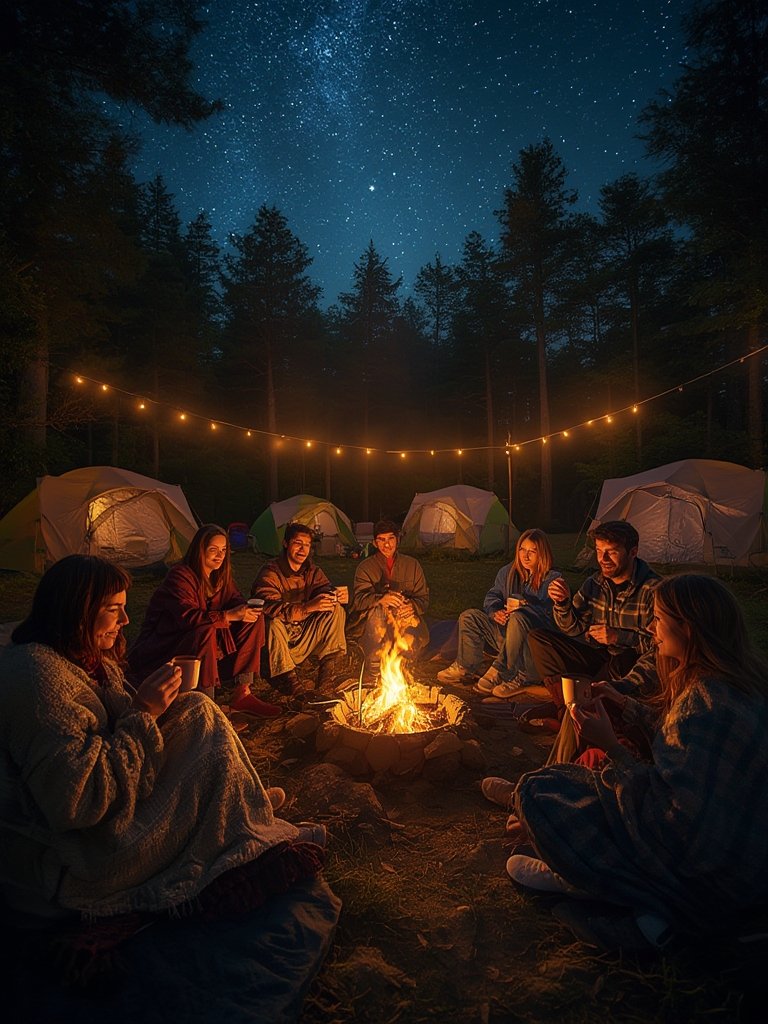
The best cozy camping night setup balances tested portable lighting, quick-setup insulation, and compact comfort tricks—not just more gear. Skip the “big box” approach; aim for one warm lantern, a safe/focused gathering zone, and lightweight sleep insulation. You’ll feel at home without overpacking, and you’ll stay warm, comfortable, and safe no matter what the weather or campsite rules bring. Ready to get started? Set your budget, test your setup at home, and build your packing list now for a genuinely inviting night under the stars.
For deep dives and night-specific gear picks, visit the cozy camping night setup guide.
FAQ
What color temperature is best for cozy camping lighting?
Look for warm light in the 2700–3200 Kelvin range. It’s softer, feels welcoming, and avoids the harsh feeling of high-K “cool” LEDs. Products like the BioLite AlpenGlow 500 excel here.
How much lighting do I need for a group versus solo cozy camping night setup?
For solo, one warm lantern (150–500 lm) is enough. Small groups (3-4) will benefit from a lantern plus solar string lights or a second lantern. Entry costs range $30–$80 for solo, $70–$150 for groups.
Do I really need string lights, or is a lantern enough?
Lanterns are the backbone for safety and tasks. String lights add extra coziness and are great for ambiance but can be skipped for weight/bulk. If you choose string lights, pick solar/USB-charged and check for simple hanging features.
How close can I put lighting or fire near a tent for safety?
Keep all open flames—including candle lanterns—at least 10 feet away from tents. LED lanterns and string lights are safe on or inside tents if they’re not overheating. Always check tent ventilation before using any heat source close by.
What if I arrive at camp after dark—is quick setup realistic?
Yes—prioritize lantern and sleeping pad setup first, then cluster lights near your living area. Reliable models like LuminAid Packlite Max or Goal Zero Lighthouse 600 deploy fast and provide immediate light, reducing setup frustration. See our step-by-step guide above.