


Car camping checklist is the key phrase that beginner road-trippers and first-time campers search for, but generic gear lists won’t help you sleep warm or fit comfort upgrades into a small sedan. This realistic guide shows you exactly how to prioritize, pack, and set up—so you get maximum comfort with minimal hassle, whatever vehicle you drive and whichever season you camp.
Key Takeaways
- Space, not weight, limits most car camping setups. Prioritize sleep insulation and comfort gear that compresses well.
- Choose gear with proven recent improvements—self-inflating pads, 12V fridges, portable power stations—to upgrade comfort without adding bulk.
- Avoid common pitfalls: ignore home-grade mattresses, don’t overpack bins, always plan for rain, mud, and cold ground insulation.
- What to prioritize before you pack
- Realistic vehicle capacity and how it changes your checklist (sedan vs SUV)
- High-impact comfort upgrades released in the last 3 years
- Common beginner mistakes that cause cold nights, wet gear, and wasted time
- Often-overlooked comfort items you should never skip
- How much a cozy, well-equipped setup actually costs
- Temperature and insulation specs to guarantee cozy nights in early spring / late fall
- Quick-setup gear that removes frustration — what to buy and how long it takes
- A one-page packing prioritization template (sedan, small SUV, family)
- Quick pre-trip checklist and on-site setup order
- FAQ
What to prioritize before you pack
Your car camping checklist should focus on three essential priorities before you even touch your gear:
- Sleep system insulation and fit: A thick sleeping pad with proper R-value and a bag rated below your expected low make the biggest difference to rest and warmth. Compressible options work in sedans and SUVs.
- Reliable food storage and cooking: Choose either a solid cooler or a compact 12V fridges and plan your cooking system for your group size. Nesting kitchen kits and stoves that fit your vehicle’s height and trunk depth are key.
- Compact power and lighting: Streamlined, rechargeable setups keep your site lit and devices powered efficiently, crucial for safe, frustration-free camp life.
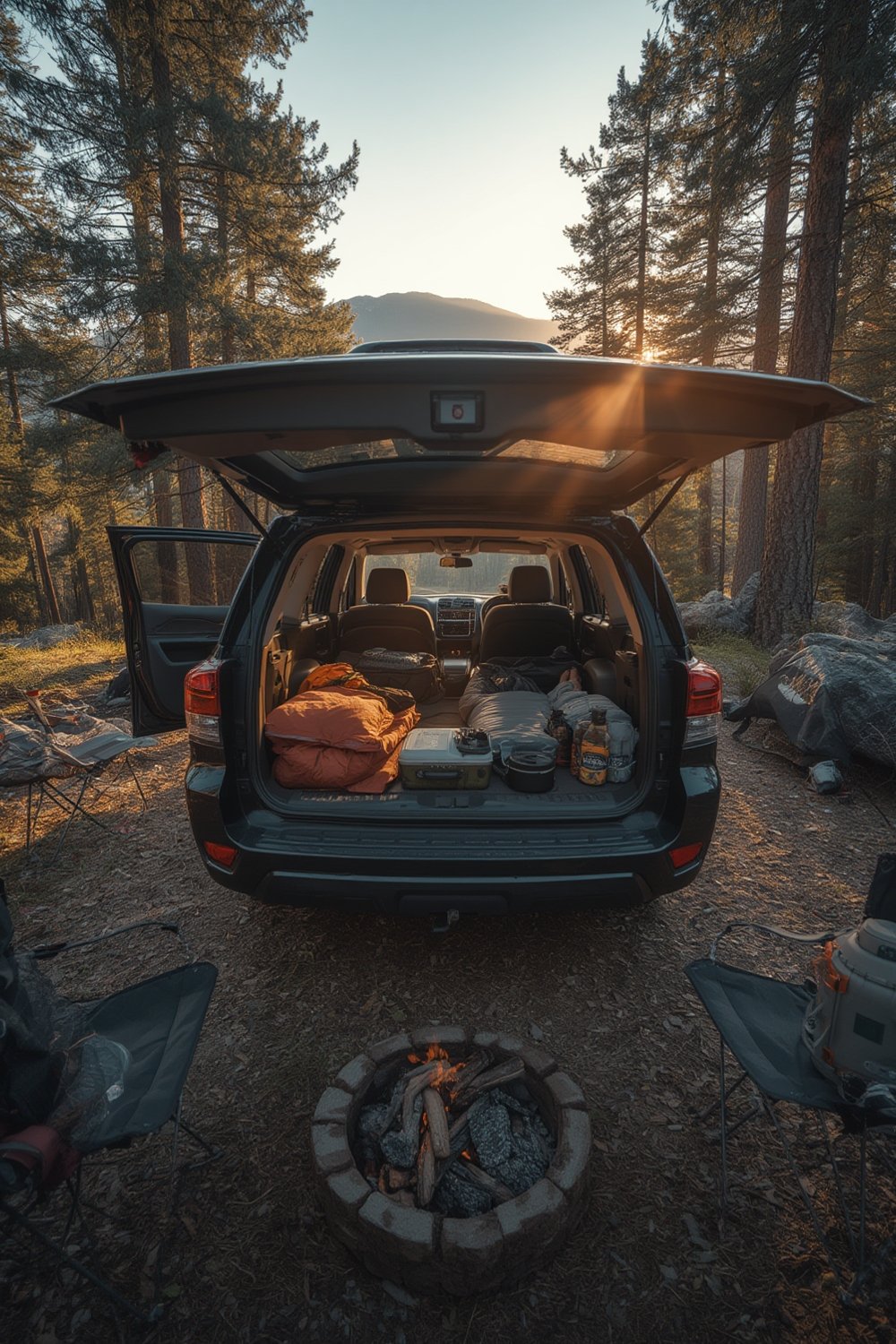
Remember: Space, not weight, is usually the limiting factor for car campers. Compact sedan trunks offer only 13–16 ft³ of storage, while compact SUVs give 30–37 ft³ (or 60–75 ft³ with rear seats down). Efficient packing means comfort gear comes first—not big plastic bins. Find more expert storage hacks in this guide to camping hacks.
Realistic vehicle capacity and how it changes your checklist (sedan vs SUV)
The type of vehicle you use fundamentally shapes your vehicle camping checklist. Here’s how:
- Sedan (solo or 2 people):
- Trunk space: 13–16 ft³, 400–600 lb before handling suffers.
- Key: Fit a compressible double pad or an inflatable car mattress, a compact cooler, small stove, lightweight seating, and use soft duffels instead of rigid bins.
- Leave behind: Bulky stoves, oversized fire pits, and stacking drawers that don’t fit through trunk openings.
- Compact/midsize SUV (2–4 people):
- Space: 30–37 ft³ (seats upright), up to 75 ft³ (seats down); payload: 900–1,500 lb.
- Key: You can bring a full camp kitchen box, double-thick pads, larger coolers or a 12V fridge, more chairs, and quick-deploy shelters.
- Still consider: Stackable bins and compressible bedding—space runs out fast with four people and gear.
For everyone: Prioritize comfort items that compress well—like thick self-inflating pads and down blankets—over hard, low-density bins and big coolers.
High-impact comfort upgrades released in the last 3 years
Recent gear innovation now lets car campers achieve higher comfort without full overlanding kits:
- Self-inflating sleeping pads: Pads like the Sea to Summit Pursuit Plus and NEMO Roamer Double offer 4–6 inches of thickness and R-values of 4–6, rival home beds and pack small. See full reviews.
- 12V fridges: Dometic CFX3 series coolers keep food cold or frozen for days with minimal battery use—major upgrade over ice chests and reduce food waste.
- Portable power stations: Modern units (Jackery, Anker, Bluetti) deliver ~1 kWh capacity, fast USB-C charging, and can power lighting, fridges, and small appliances for multi-days.
- Smokeless fire pits: The BioLite FirePit+ packs flat, reduces smoke, and speeds up setup for evenings and cooking (full upgrades list).
- Quick-deploy shelters: Hybrid rooftop tents, like the Roofnest Falcon 3 EVO Air, and hatchback tents set up in under 2 minutes with no hassle.
- Rechargeable lighting: Headlamps and string lights running off a central battery replace old propane lanterns, weighing much less (lighting upgrades explained).
- Compact hot-water systems: Units like the RinseKit PRO now deliver pressurized heated water for showers or dishes on the go.
Common beginner mistakes that cause cold nights, wet gear, and wasted time
Many first-time campers regret missing these details on their car camping checklist. Here’s what to watch out for—and how to fix it:
| Mistake | Why It Fails | Solution |
|---|---|---|
| Ignoring pad R-value | Loss of body heat to cold ground—even with a warm sleeping bag | Pick a pad with R-value 4+ for spring/fall. Learn about minimal cozy camping. |
| Using home air mattresses | Prone to leaks; little insulation; deflates in cold | Invest in self-inflating or foam-core camping pads. |
| Overpacking bins and coolers | Trunk gets jammed; setup and teardown take too long | Use duffels, compress your bedding, and skip duplicate kitchen items. |
| Not planning entry for rain/mud | Muddy shoes and wet gear inside tent or car | Dedicate a doormat and shoe-drop just outside your entry. |
| Inadequate lighting | Poor visibility for cooking, finding gear at night | Bring headlamps for every person plus a string light or lantern. |
Many of these are beginner errors covered in depth in camping checklist for beginners. Experts agree: focus your road trip camping list on sleep, weather protection, and efficient kitchen setups.
Often-overlooked comfort items you should never skip
Even “ultimate” car camping checklists miss some crucial comfort upgrades, especially on cold, muddy, or sloped campsites:
- High-R pads (R 4+): Essential for warmth on bare ground or car floors—never settle for thin inflatables.
- Closed-cell foam or extra rugs: Lining tent or car interior floors with foam blocks chills and insulates.
- Dedicated entry doormat/shoe drop: Prevents wet, muddy mess inside sleeping areas (read more about essentials).
- Weather-resilient, upright chairs: Padded or insulated models make multi-hour lounging possible on rainy, chilly nights.
- Portable hot-water kits: Clean dishes and hands painlessly, especially crucial on multi-day trips or shoulder season.
- car window insulation and blackout shades: Blocks light and condensation, especially when sleeping inside your vehicle.
- Large tarps or cook shelters: Beyond a tent fly, add a rain/sun shelter for your cooking and hangouts.
Tip from seasoned campers: Pad the floor under your sleeping area in any weather. Most lists under-explain this, but it’s a comfort game-changer.
How much a cozy, well-equipped setup actually costs
Here’s a 2024 realistic breakdown for a car camping packing list for two people—excluding vehicle and fuel costs:
- Budget comfort kit: $550–$1,080
- Sleeping gear: $230–$420
- Lighting: $40–$90
- Seating/table: $100–$200
- Kitchen/cooler/basics: $180–$370
- Mid-range comfort kit: $2,640–$4,560
- Sleeping upgrades: $680–$1,200
- Lighting: $200–$330
- Seating/table: $310–$580
- High-end kitchen/fridge/fire: $1,450–$2,450
- Add $800–$1,400 if you want a top-tier portable power station.
Space and comfort matter more than buying everything at once—invest over time and upgrade in the categories that make the biggest difference for your trips.
Temperature and insulation specs to guarantee cozy nights in early spring / late fall
For typical early spring or late fall car camping (lows: 30–40°F / -1–4°C):
- Sleeping pads: R-value ~4+ minimum for ground or vehicle floor insulation
- Sleeping bags: 20°F (−6°C) rated bags for average sleepers. Cold sleepers, choose 15°F bags or add insulated liners/blankets.
- Layering and extras: Add fleece bag liners, down throws, or a hot water bottle (or battery-powered pad if using a power station, but expect battery drain limits).
- Portable heaters: Fuel-based heaters are NOT recommended for sleep—focus on insulation, not combustion devices. Low-wattage electric pads are safer for short periods with a power station.
Reviewers agree: skipping insulation or ignoring R-values leads to cold, miserable nights. For even more detailed night-warming strategies, check out cozy camping night setup.
Quick-setup gear that removes frustration — what to buy and how long it takes
Invest in these categories for true pack-n-go comfort:
- Hybrid rooftop tents: Under 2 minutes to deploy or stow. Perfect for avoiding tent drama at the end of a long drive.
- Self-inflating pads: 1–3 minutes per pad, mostly hands-off—just unroll and let them expand.
- Modular camp kitchens: 5–10 minutes to fully set up a whole stove/workspace kit from a single box or tub.
- Smokeless fire pits: A few minutes from folded to flames. Less maintenance, no smoke battles.
- Plug-and-play lighting: 2–5 minutes—string USB lights around the site, flip a lantern on, relax.
- Car-fit mattresses/platforms: 5–10 minutes; actual foam or air bed setup is quick—the slowest part is shifting luggage away.
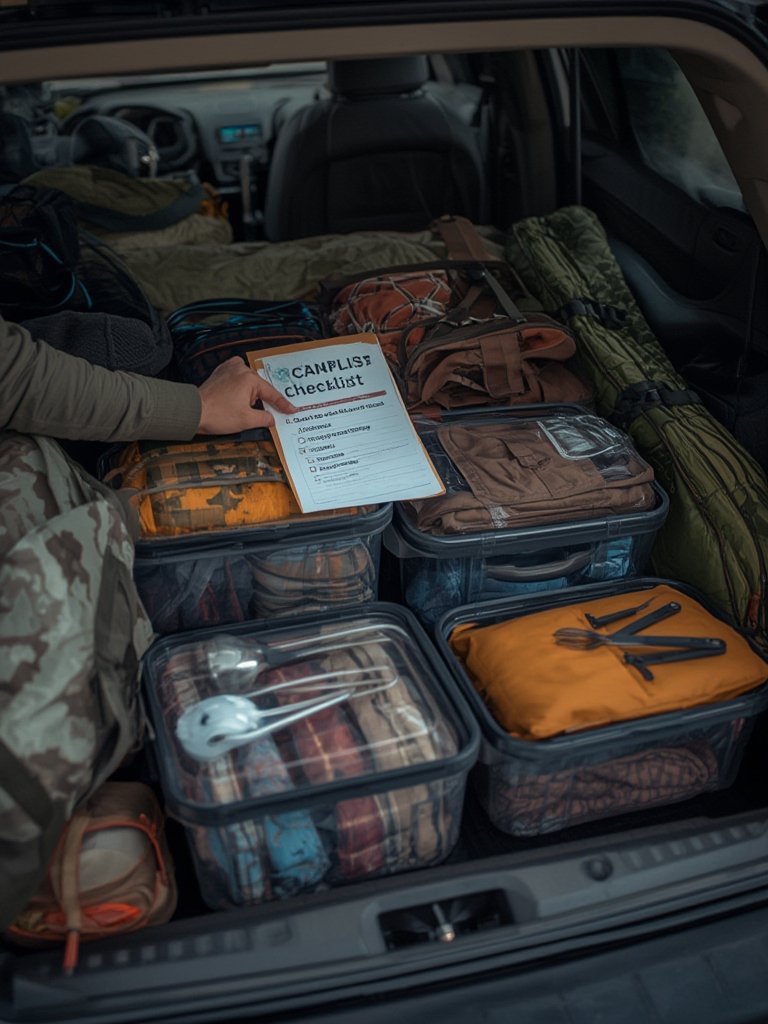
Want more expert-verified tricks? Try these camping hacks for even less setup time.
A one-page packing prioritization template (sedan, small SUV, family)
Use this decision matrix as your printable car camping checklist or vehicle camping checklist:
| Vehicle & Group | First 5 Must-Have Items | Next 5 High-Impact Luxuries | Optional “Nice to Have” |
|---|---|---|---|
| Sedan/Solo |
|
|
|
| Small SUV/Couple |
|
|
|
| Family or 4 in SUV |
|
|
|
Rule of thumb for road trip camping: Always pack compressible, high-comfort items first (pad, bag, lighting). Only bring rigid bins or coolers if the rest fits easily.
Quick pre-trip checklist and on-site setup order to maximize sleep & comfort first
This mini-procedure prevents the cold, dark, and fussy first night so common for new campers. Here’s the essential early setup order from seasoned road-trippers:
- Pick a level, dry parking spot or site—saves nuisance and protects gear from puddles or slope.
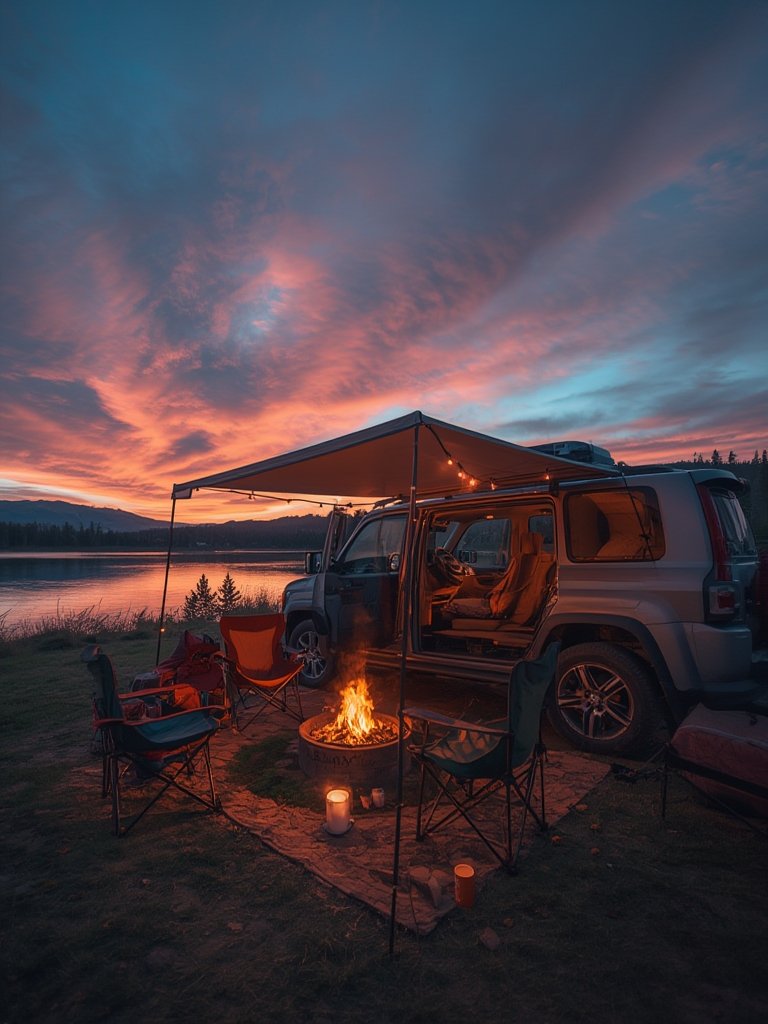
- Deploy rain shelter/awning first—even if it’s clear, do this to cover gear as you unload and in case of weather.
- Lay down sleeping pad, bag, and window insulation—get your bed cozy and ready before daylight fades or energy dips.
- Power up your lighting—hang string lights, set up lanterns, and hand every camper a headlamp.
- Start the kitchen and cooking area—once sleep and lights are secure, set up quick-meal tools and food zone.
Reviewers and experienced campers emphasize: Insulate your sleep platform and set up lighting first to avoid 90 percent of discomforts. Self-inflating pads and USB lanterns can be ready in 5 minutes or less.
Need more resources before your trip? Compare with this minimal cozy camping guide or use our trusted cozy camping checklist for more packing templates.
FAQ
What is the most important item on a car camping checklist for new campers?
A high-R-value (R 4+), thick self-inflating sleeping pad. It guarantees insulation, comfort, and warmth—more than even the best sleeping bag can on its own.
Can I car camp comfortably in a compact sedan?
Yes—if you focus your packing checklist on compressible sleeping gear, skip large bins, choose a soft cooler, and lay a closed-cell foam liner under your pad for extra insulation and comfort.
How cold is too cold for car camping with basic gear?
With standard pads (R 2–3), below 45°F can be uncomfortable. For early spring/late fall trips with lows of 30–40°F, you need an R 4+ pad and a 20°F-rated sleeping bag. Always layer extra blankets if you tend to get cold.
Are expensive 12V fridges and portable power stations really worth it?
If you do multi-day trips, travel in hot weather, or camp with a group, yes—modern small fridges and power stations keep food fresh and run lights/devices for days. They’re a practical comfort upgrade, especially for SUVs or family trips.
What’s the fastest way to set up a comfortable car campsite on arrival?
Immediately set your rain cover or awning, unfurl your sleeping pad and bag, and switch on your lighting. Only then build out the kitchen, fire, or luxury extras. This order ensures warmth, dryness, and a stress-free transition even if you arrive late.