


Minimal camping checklist isn’t about surviving on the fewest possible items; it’s about making your first or occasional car or RV camping trip easy, comfortable, and regret-free. Here’s how beginners can avoid cold nights, stiff backs, and setup stress by packing only what truly matters—without breaking the bank or falling for backpacker bravado.
Key Takeaways
- Minimal for beginners means comfort, quick setup, and no overthinking—not ultralight gear.
- Prioritize sleep quality, warmth, weather protection, and lighting; ruthlessly filter out “maybe” items.
- Organize camping gear by function and use simple decision rules to avoid common regret purchases.
- What “minimal” means for beginners — comfort first, not ultralight
- The 4‑need filter & Step‑by‑Step: How to Vet Gear Fast
- Sleep, Weather, and Comfort Pitfalls: How Not to Freeze or Regret
- Conclusion: Your Minimal Camping Checklist—Comfort, Simplicity, and No Regrets
- Minimal Camping Checklist FAQ
What “minimal” means for beginners — comfort first, not ultralight
Minimal means something different for car or RV campers than for hikers. For beginners, a minimal camping checklist is not about carrying the lightest load possible or roughing it; it’s about making fewer decisions, setting up camp without stress, and getting a great night’s sleep. Instead of obsessing over grams, you focus on gear that delivers real comfort: a warm sleeping bag, a supportive pad, decent shelter, a good chair, and reliable lighting.
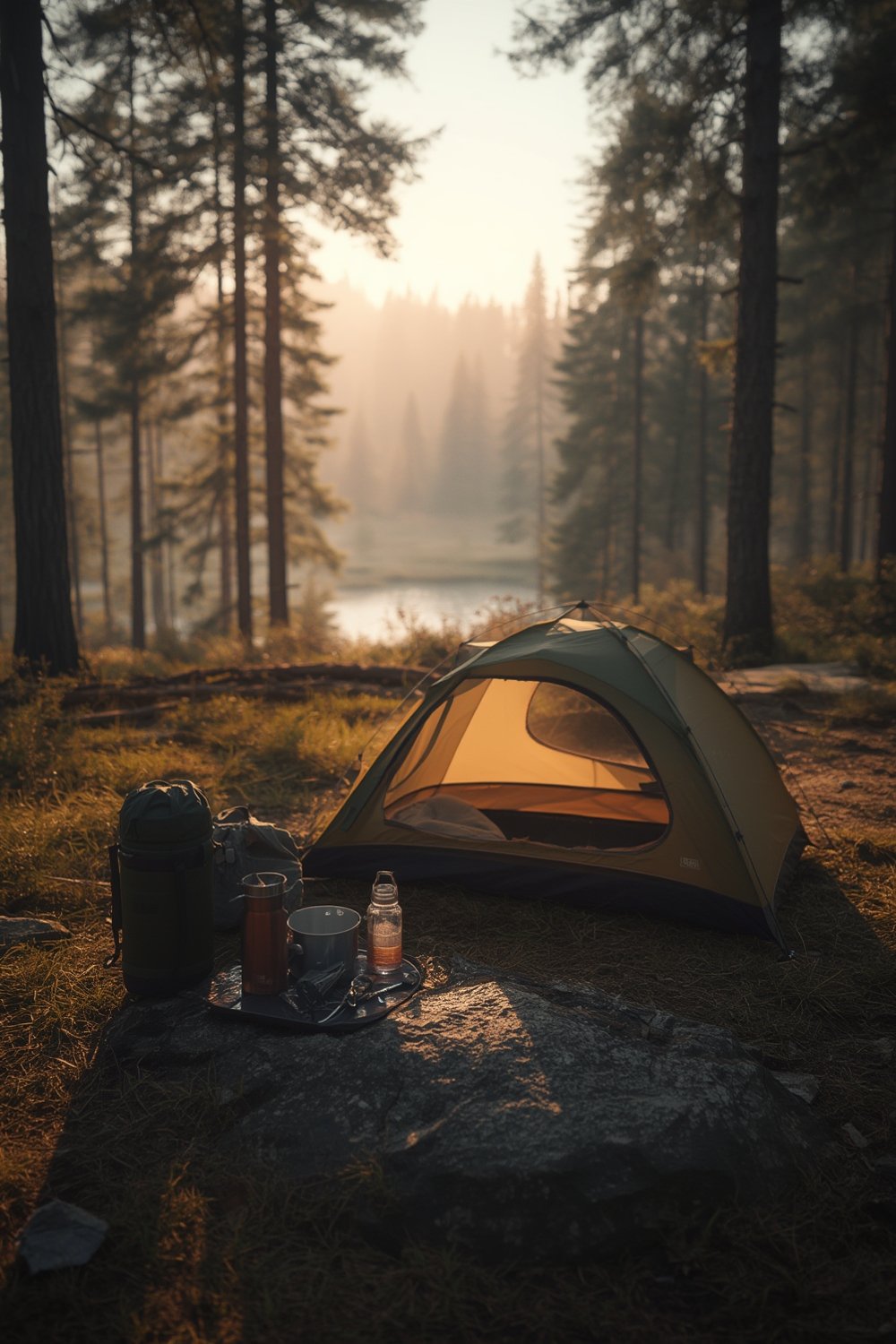
The aim is to reduce decision fatigue—no long shopping lists or gear catalogs. Think of it as making camping cozy, warm, and easy for non-experts, not a test of how much suffering you can bear. The best family camping checklists are full of comfy items because your car carries the load, not your back. This means you only need the few basics that directly prevent the biggest beginner regrets: being cold, uncomfortable, or stuck in the dark.
If you want detailed examples and hacks for getting cozy without overpacking, check out guides like minimal cozy camping and see how seasoned car campers keep it simple and smart.
The 4‑need filter & Step‑by‑Step: How to Vet Gear Fast
Every camping item should pass one quick decision filter. Does it directly support shelter, sleep, food, or safety? If it doesn’t, skip it—or keep it only if you know for sure it makes your trip massively more comfortable. Here’s how to build a simple camping checklist with this approach:
Let’s break down the process:
- Shelter – Pack a roomy 3-season tent (rated for “2 people + gear” for two campers), a footprint or tarp for underneath, and extra stakes. Avoid the smallest bargain tents; they’re usually stuffy and more prone to leaks and condensation (source).
- Sleep – Your basics: the right sleeping bag (see R‑value & temp guide below), a true insulating pad (self‑inflating or foam, not cheap air beds), and a real pillow. An R‑value of at least 2–3.5 for pads will keep you much warmer and more comfortable than uninsulated “air mattresses” (see table below and camping checklist for beginners).
- Food/Kitchen – Use the single-pot, one-stove method. One 2-burner stove or small single-burner, one medium pot, one pan, a spatula/knife/cutting board, and a medium cooler are all you need. Add hot/welding gloves for safety and versatility (source).
- Lighting & Power – Always take at least one headlamp per person, one area lantern, and fresh batteries or a power bank. Phones are unreliable as sole camp lights—hands-free matters when cooking or walking at night (source).
- Camp Comfort Add-ons – Only the highest-impact items: two comfortable camp chairs, entry mat/rug, paper towels, extra tarps, roasting sticks, and a clothesline. Most campers end up buying these after regretting their first few trips without them (source).
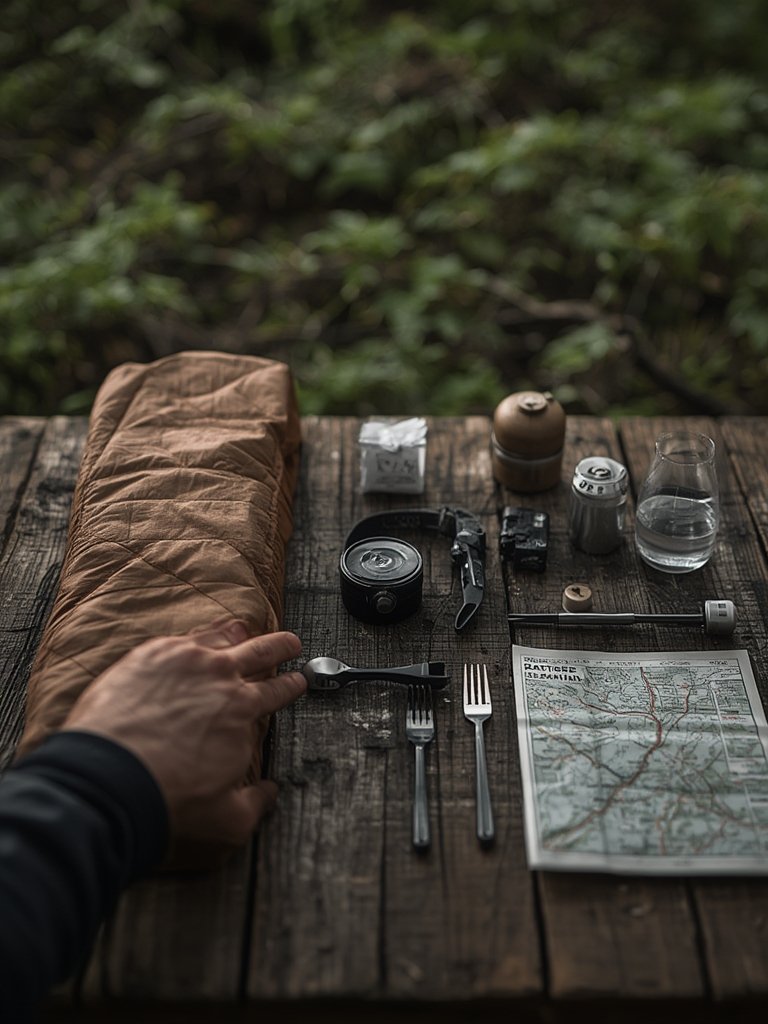
If the item doesn’t cover one of your four core needs or isn’t used every trip, skip it or rent it for special occasions. Keep in mind: a simple camping checklist is not about deprivation—it’s about clearing mental space and maximizing real comfort.
For printable lists and ways to save time packing, see cozy camping checklist essentials and learn how experienced campers streamline everything from first-aid to kitchen prep.
Sleep, Weather, and Comfort Pitfalls: How Not to Freeze or Regret
Even with a basic camping kit, it’s easy to land in discomfort if you make these common mistakes. Here are realistic pitfalls and how a minimal comfort-first checklist prevents them.
| Common Mistake | Real-world Result | Checklist Fix |
|---|---|---|
| Packing a tent too small or without footprint | Leaky floors, condensation, cramped nights | Choose a 2–3P tent for two people, always use a tarp or dedicated footprint underneath |
| Cheap air mattress or thin foam pad | Cold comes up from ground, back pain, night-time shivers | Pick a true insulating sleeping pad (R2–3.5 for mild, R4+ for near freezing), self-inflating or dense foam for car camping |
| No real pillow or chair | Neck pain, sore mornings, stiff back from camp benches | Bring a compressible or home pillow and a supportive camp chair for each adult |
| Only one flashlight/phone for lighting | Frustration cooking after dark; can’t find things; unsafe toilet walks | Headlamp per person, lantern for shared area, plus backup batteries/power bank |
| Overpacking specialty or duplicate items | Slow setup, lost in gear sprawl, overwhelm and clutter | Use “no duplicates” rule, 4-need filter, and pack by category for a quick and tidy camp |
| Missing high-impact “little” items | Wet tent floors, no clean eating area, inefficient meal prep, low comfort | Don’t skip doormat/rug, hot gloves, clothesline, roasting sticks; used every trip by experienced campers |
Quick Sleep Warmth Rule: Check the average night low for your campground/month. Choose a sleeping bag with a “comfort” rating 5–10°C (10–20°F) colder than that temp. For pads, use these R-value recommendations:
- R 1–2: Summer (nights above 15°C/59°F)
- R 2–3.5: Spring/fall (5–15°C/41–59°F)
- R 3–4.5: Chilly shoulder season (0–5°C/32–41°F)
- R 4–5+ (or double up pads): Near or below freezing
Most beginner regret stories boil down to underestimating how cold the ground can be—and an uninsulated air mattress is the #1 culprit.
Don’t let price tags fool you: for car camping, even “heavy” foam or self-inflating pads are fine and budget-friendly. You can explore further hacks and analyze kitchen setups with thorough guides like car camping checklist essentials and camping hacks.
The main downsides to this approach: it’s easy to be tempted by “just in case” items or try to copy ultralight backpacking lists, which often means you end up cold or annoyed. Stay focused on comfort, not survivalist minimalism.
Conclusion: Your Minimal Camping Checklist—Comfort, Simplicity, and No Regrets
To sum up: A minimal camping checklist for car or RV camping is the key to a great trip—warm sleep, easy setup, and zero decision fatigue. Ditch the urge to overpack or chase backpacker trends. Filter every item for comfort, core needs, and real use. If you want a printable, ready-to-go minimal camping checklist—and expert advice for cozy nights—use the resources above and start with the essentials. Ready to camp smart? Grab your gear bins, do a quick “use every trip” check, and hit the road for a warm, comfortable weekend out!
For a one-page printable checklist, check cozy camping checklist essentials or browse tips from best camping hacks. Questions or want more tricks? Leave a comment or explore more beginner comfort tips!
Minimal Camping Checklist FAQ
What is the simplest minimal camping checklist for two people?
For a weekend car camp: 1 roomy 2–3 person tent, footprint or tarp, 2 sleeping bags (comfort rated below expected low), 2 insulated sleeping pads (R2–3.5+), 2 pillows, 2 supportive camp chairs, 1 medium cooler, 1 stove, 1 pot/pan, basic utensils, headlamp per person, 1 lantern, spare batteries, doormat/rug, paper towels, garbage bags, hot gloves, roasting sticks, and a clothesline. Keep it all in 3 labeled bins (shelter, sleep, kitchen).
How can I avoid being cold at night when camping?
Base your sleeping bag’s comfort rating on the expected night low at your campsite—choose a bag rated 5–10°C (10–20°F) colder than that. Use a pad with a high enough R-value (R2–3.5+ for spring/fall). Never rely on air mattresses alone, as they allow cold from below.
What’s the most common item beginners regret skipping?
Most regret skipping a proper sleeping pad or bringing just an air mattress, which leads to cold, poor sleep, and back pain. Lack of a real pillow and not packing a camp chair also rank high in regret lists.
How do I organize and pack my camping gear for the quickest setup?
Bin gear by function (“shelter,” “sleep,” “kitchen”), load shelter/sleep near the trunk/rear door. Set up tent and sleeping gear first, then kitchen, then comfort extras. This saves time and keeps you ready if it’s dark or raining when you arrive.
Are there items I can always skip for drive‑in camping?
Yes—skip ultralight multi-tools, specialty cookware, extra pots, and anything rarely used (unless you know you’ll need it). Use the 4‑need filter and “use every trip” rule: if it’s not shelter, sleep, food, or safety—or you don’t use it every trip—it stays home.