


How to make camping cozy is often the top concern for new campers who want comfort outdoors—but not extra chaos or expenses. If you’re tired of cold nights, endless bug battles, and restless sleep, you’re in the right place. Here’s exactly how to make camping feel cozy, fast—without overpacking or overpaying.
Key Takeaways
- Beginner-friendly gear in 2026 is smarter and more multi-functional—think self-inflating pads, solar lights, and portable power for warmth and convenience.
- Tackle your three biggest comfort issues—cold, bugs, bad sleep—with a few targeted upgrades and field-tested hacks. Don’t bother with long lists.
- You can make camping comfortable on a modest budget when you buy multi-use gear, skip “nice to haves,” and master setup essentials from the start.
- Why coziness matters now — 2026 trends that change what “comfortable camping” looks like
- The three starter pain points for first-time campers — cold nights, bugs, and sleeping surfaces (what actually fixes them)
- Gear specs that matter — what R-value, weight, lumens and battery figures to prioritize (and why)
- Realistic starter budget and where the research gaps are (how much to expect, and what we couldn’t find)
- Typical guide blind spots — what other “cozy camping” articles and YouTube videos often leave out
- How well popular cozy hacks perform in the field (real-world effectiveness vs. temperature ranges)
- Practical setup and campsite-selection tips that impact comfort the most
- A compact decision checklist — what to buy, what to skip, and where to cut costs for a 2-night cozy kit
Why coziness matters now — 2026 trends that change what “comfortable camping” looks like
Camping in 2026 isn’t about roughing it or filling your trunk with gadgets. Modern beginners care about ease, warmth, and enjoyment. New camping trends focus on technology, multi-use gear, and comfort first—such as solar charging, app control, and the rise of thick, self-inflating sleeping pads.
According to recent research, 60% of campers now favor tech-integrated gear—meaning things like instant WiFi weather alerts in your tent, solar-powered lanterns that double as power banks, and portable battery stations for heated blankets and phone-charging are quickly becoming standard. Beginners especially benefit, since these technologies simplify setup, erase much of the learning curve, and keep your camp comfortable from dusk until dawn.
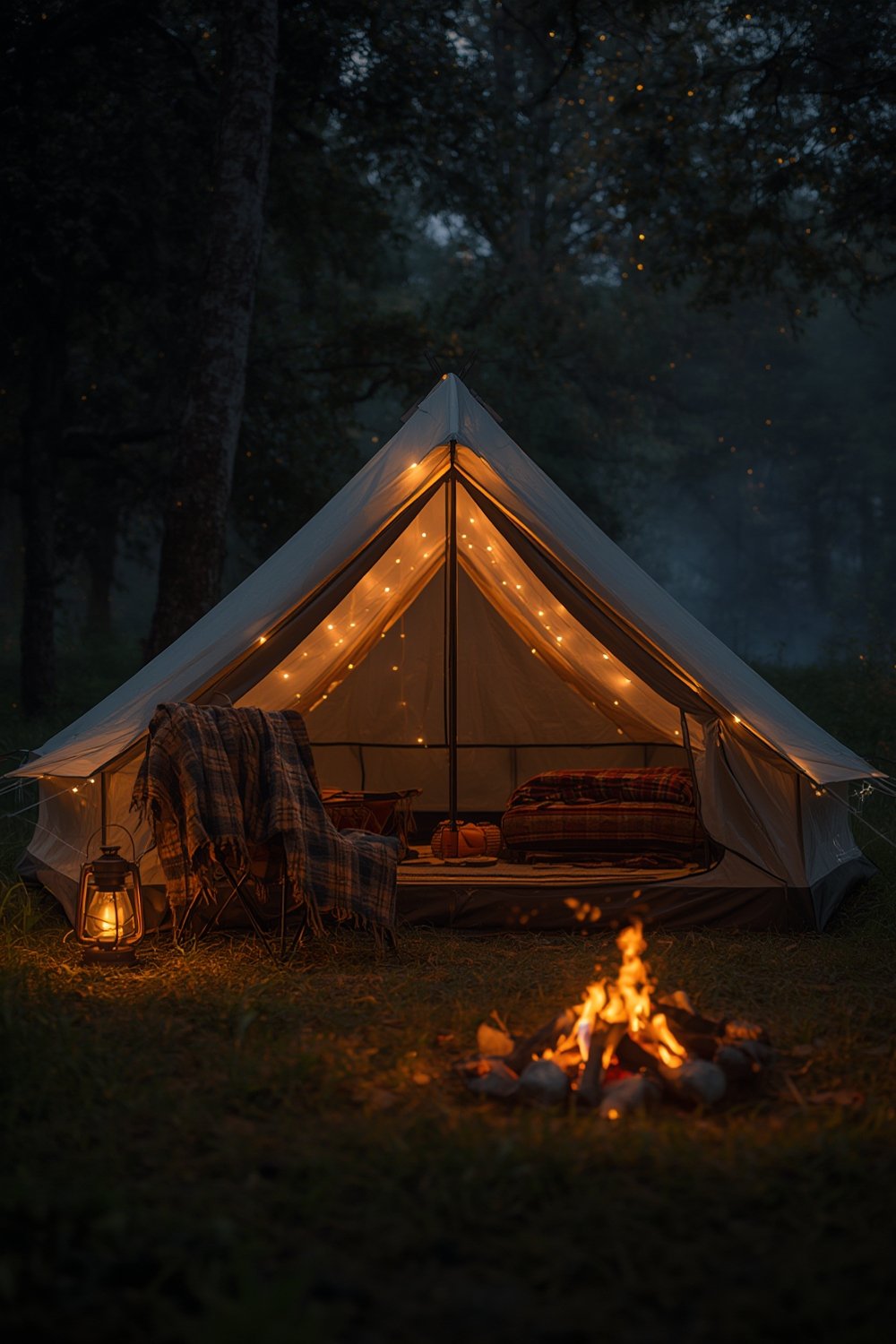
Compared to just five years ago, cozy camping has evolved from patchy foam pads and weak lanterns to smart, weather-adaptive tents, self-inflating beds, and all-in-one fire pits you can control from your phone. You don’t need all the latest tech, but a few smart swaps will make your weekends outside much warmer, quieter, and easier to manage.
The three starter pain points for first-time campers — cold nights, bugs, and sleeping surfaces (what actually fixes them)
Most comfort issues for beginners trace to three simple failures: you’re too cold, you get bitten all night, or you simply can’t sleep because the ground feels terrible. Forget one-size-fits-all solutions. Instead, address each problem with a budget-friendly, field-proven upgrade:
- Cold nights: Use a self-inflating pad (R-value 4+ is best), and slide in a heating insert (like Camp Napper) for consistent warmth. For serious cold or “shoulder season” trips, portable power banks let you safely run heated blankets or boot warmers.
- Bugs: Plant-based repellents like Repel are safe, effective, and cheaper than specialty “camp sprays”—but site selection is your true first defense. Pick spots away from standing water, and always use a physical barrier, such as a bug net, when chilling outside.
- Sleeping surface: The best fix is a self-inflating, ultra-thick pad with a smooth top (e.g., NEMO Roamer). Pad sleeves help keep you on the pad (and avoid the classic “slide-off” issue). For pillow comfort, bring a real pillow or use clothes in a pillow sleeve.
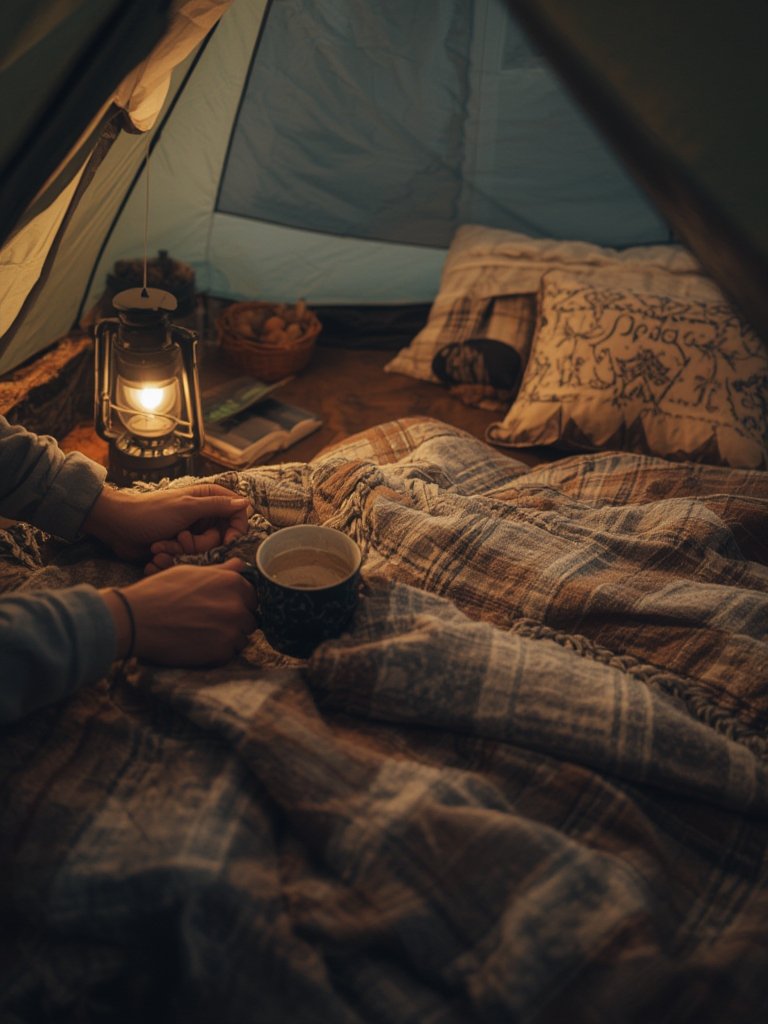
Camping checklist for beginners and beginner camping tips offer more deep-dives into temperature and pest fixes. But these three targeted upgrades are your fastest, budget-friendliest wins—no gear overload required.
Field-tested: Cold insulation and power-aided warmth regularly outperform extra sleeping bags or multiple blankets for the cost. Take it from regular campers—the fewer “layers,” the fewer setup headaches.
Gear specs that matter — what R-value, weight, lumens and battery figures to prioritize (and why)
To make camping comfortable without turning your car into a locker room, you need to prioritize specs that actually affect your rest—not marketing hype. Here’s what genuinely matters:
- Sleeping Pad R-value: Aim for an R-value of at least 4. This blocks cold rising from the ground and is suitable for spring to fall in most climates. NEMO Roamer and similar self-inflating pads hit this and offer bed-like comfort without the bulk of old foam mats.
- Pad thickness: 3.5–4 inches or more avoids pressure points and saves your back. Pads that pack down smaller than a chair bag balance cozy sleep with car-friendly packing.
- Lantern Battery Life: Choose lanterns or solar lights promising 100+ hours of runtime, ideally with solar and power bank features. Lightweight inflatable solar lanterns are dual-purpose and save money on single-use batteries.
- Chair weight: For car campers, lightweight (<2 lbs) but supportive models like the Naturehike YL08 are well reviewed and won’t crowd your trunk.
- Power Station Output: Verify that your station covers your total wattage for all-night warmers, devices, or fans. Check specs—don’t trust packaging claims alone.
Most “comfort upgrades” pay off when they’re multi-use. A lantern that also charges phones and lights your tent for 3 nights? A sleeping pad that turns your tent into a bed? These options cut packing lists and spare your budget.
For more checklists on what truly matters, see our cozy camping checklist and the latest brand picks for 2026.
Realistic starter budget and where the research gaps are (how much to expect, and what we couldn’t find)
You’re probably wondering what it costs to make camping cozy with comfort-focused upgrades—not “outfitting an expedition.” Direct budget breakdowns are still missing from most guides and research. Here’s a starting-point framework to set your expectations:
- Low: <$200 (use a basic foam pad, plant-based bug spray, USB lantern, warm layers from home, and a thrifted folding chair).
- Mid: $250-400 (invest in a self-inflating pad, solar lantern/power bank, portable plant-based heater, or bug net).
- Premium: $500+ (add a smart power station, app-controlled fire pit, or high-end sleeping bag with VST tech).
Exact pricing for cozy “starter kits” is still missing in 2026—even from top gear blogs. Always check for seasonal sales, bundle deals, or lightly used gear to maximize value.
To spend wisely, prioritize your sleep and warmth upgrades first, then lighting, then seating. For quick cost-cutting, skip single-purpose “luxury” extras—anything that only does one job and takes up too much space.
See car camping checklist for sample essentials and justified splurges.
Typical guide blind spots — what other “cozy camping” articles and YouTube videos often leave out
Most online “cozy camping” guides share the same few tired tips: “bring a hot water bottle,” “wear merino,” “zip up your tent at night.” But what do they miss—especially for car and tent campers?
| Common Blind Spot | What to Do Instead |
|---|---|
| Frustrating ground tent setup in high wind | Use modular anchors like Orange Screws or weight bags for fast, bombproof pitching |
| Forgotten tent storage and clutter chaos | Choose tents with integrated storage pouches and suspended bins |
| Overlooking rooftop tents for car campers | Look into hardshell rooftop tents—fast and less bug-prone than ground tents |
| App-controlled fire/airflow | Consider BioLite FirePit+ for smokeless, adjustable warmth/grill by phone |
Deep dives—like those at minimal cozy camping—tend to cover advanced hacks only, so beginners miss out. If your comfort struggles are never solved by more pillows, check if you’re dealing with setup or storage blind spots instead.
How well popular cozy hacks perform in the field (real-world effectiveness vs. temperature ranges)
Not every “hack” you see online works in every condition—and you don’t want to find that out at 2:00am when your heated blanket dies. Based on field-tested results (where available), here’s how the most popular cozy camping hacks actually perform:
- Heated Blankets & Inserts: With a power station, these can keep your sleep system cozy below freezing—but always double-check battery life against your planned temperature. Most are effective from 30°F up, but power-hungry below that.
- Portable Heaters (battery or propane): Wind and tent ventilation will erode heat fast. Use cautiously and never with a sealed tent. Most beginners find them too bulky for short trips.
- Inflatable Sleeping Pads: The newest thick self-inflators (NEMO Roamer class) make “real bed” sleep entirely possible—earning wide user praise in reviews. Win for most climates, but still can’t beat home beds on rocky ground without site selection care.
- Solar Lanterns: Top models hit 100 hours of light between charges, weather-permitting. Combine with power bank function to get the most for your money and skip the risk of dead flashlights in the middle of the night.
Camper feedback on integrated fires (like BioLite FirePit+) is strong: reliable smoke control, daytime grilling, and bonus phone charging. Downsides? Occasional app connection quirks and needing to recharge between trips.
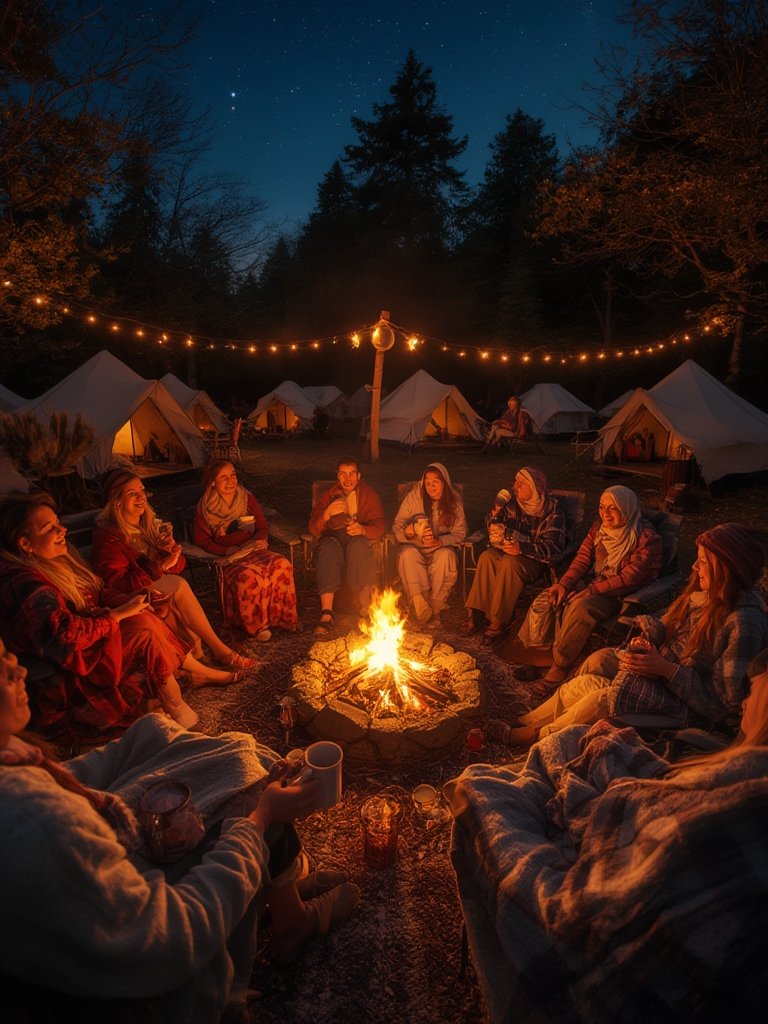
Read more about proven gear fields tests in KOA’s new gear roundup and our first camping trip tips.
Practical setup and campsite-selection tips that impact comfort the most
Sometimes comfort isn’t about the gear—but doing the basics right so you can rest well. Here’s what seasoned campers wish they knew up front:
- Pick a flat, sheltered site: Avoid dips and ridges. Tuck behind trees (but never under dead limbs) for wind shelter.
- Reduce condensation: Use a VST sleeping bag or always leave tent vents open—even in cool weather. This prevents wet bedding at sunrise.
- Organize with built-in tent storage: Hang keys, lights, and water within reach to avoid midnight panic.
- Use high-visibility ground anchors: Orange Screws let you secure tents tightly in rocky or loose ground—pain-free setup, more stable sleep.
- Strategic lighting: Hang at least one lantern above or to the side of your sleep space to avoid glare and keep night adjustments simple.
Many camps lack fully level ground or safe, deadfall-free shelter. Watch for small slopes, ant colonies, and puddle-prone spots. If you camp at busy sites, arrive early for a better pick.
Find step-by-step diagrams and more proven setup detail in our cozy camping night setup and external gear round-up.
A compact decision checklist — what to buy, what to skip, and where to cut costs for a 2-night cozy kit
Tired of long product lists? Here’s your realistic, comfort-first shopping and packing plan for a 2-night cozy camping trip. Focus on what matters, skip the rest:
- BUY: self-inflating pad (R-value 4+), plant-based repellents, packable ultralight chair, solar lantern/power bank combo, basic tent (with built-in storage if possible).
- OPTIONAL (if cold): heated sleeping bag insert or compact heated blanket (with a portable power station).
- SKIP: Specialty “luxury” sleeping bags, massive camp stoves, high-wattage heater/fans, and redundant pillows.
- SAVE: Multi-function gear like the BioLite FirePit+ (fire/grill/power) or inflatable solar lantern (lights your site and charges your phone). Use home blankets or thrift-store jackets as extra layers.
- ALWAYS INCLUDE: plant-based repellents, USB or solar-powered lights, and one real pillow for neck comfort.
The 22 Best Camping Hacks has more field-tested must-haves and compact gear ideas if you’re building your own kit from scratch.
Remember, simplicity is key: fewer pieces means a less stressful camp—while letting you enjoy genuine comfort for every night outdoors.
FAQ: Cozy Camping for Beginners
What is the most effective way to make camping comfortable in cold weather?
The most effective strategy is to pair a high R-value (4+) self-inflating sleeping pad with a compact heating insert or plug-in heated blanket powered by a portable station. Always insulate from below and fill dead air spaces with real bedding or clothes.
Can I have cozy camping without expensive gear?
Yes. Prioritize insulation (pad and bag), use plant-based bug repellents, bring a simple pillow, and use multipurpose solar lanterns or USB lights. Skip luxury extras; focus on warmth and organization. You can make camping comfortable for under $200.
Are tech-integrated items, like solar-powered lanterns, worth it for beginners?
They’re worth it if you value battery-saving convenience, multi-use charging, and a lighter packing list. Many lanterns now give 100+ hours of runtime and charge your phone. Check reviews before buying, but most offer good value for short weekend trips.
How do I keep bugs away without harsh chemicals?
Choose plant-based repellents and site selection as your front-line defense. Use physical barriers (like bug netting or screened shelters) and avoid camping near standing water. See detailed guides like our minimal cozy camping tips for pest-proof setups.
How do I avoid overpacking while still being cozy?
Use multi-function gear (such as a lantern with charging capabilities, or an all-in-one fire pit), select packable sleeping pads and chairs, and remember: choose quality and function over quantity. Your essentials list for a 2-night trip is surprisingly short when you stick to comfort-first priorities.