


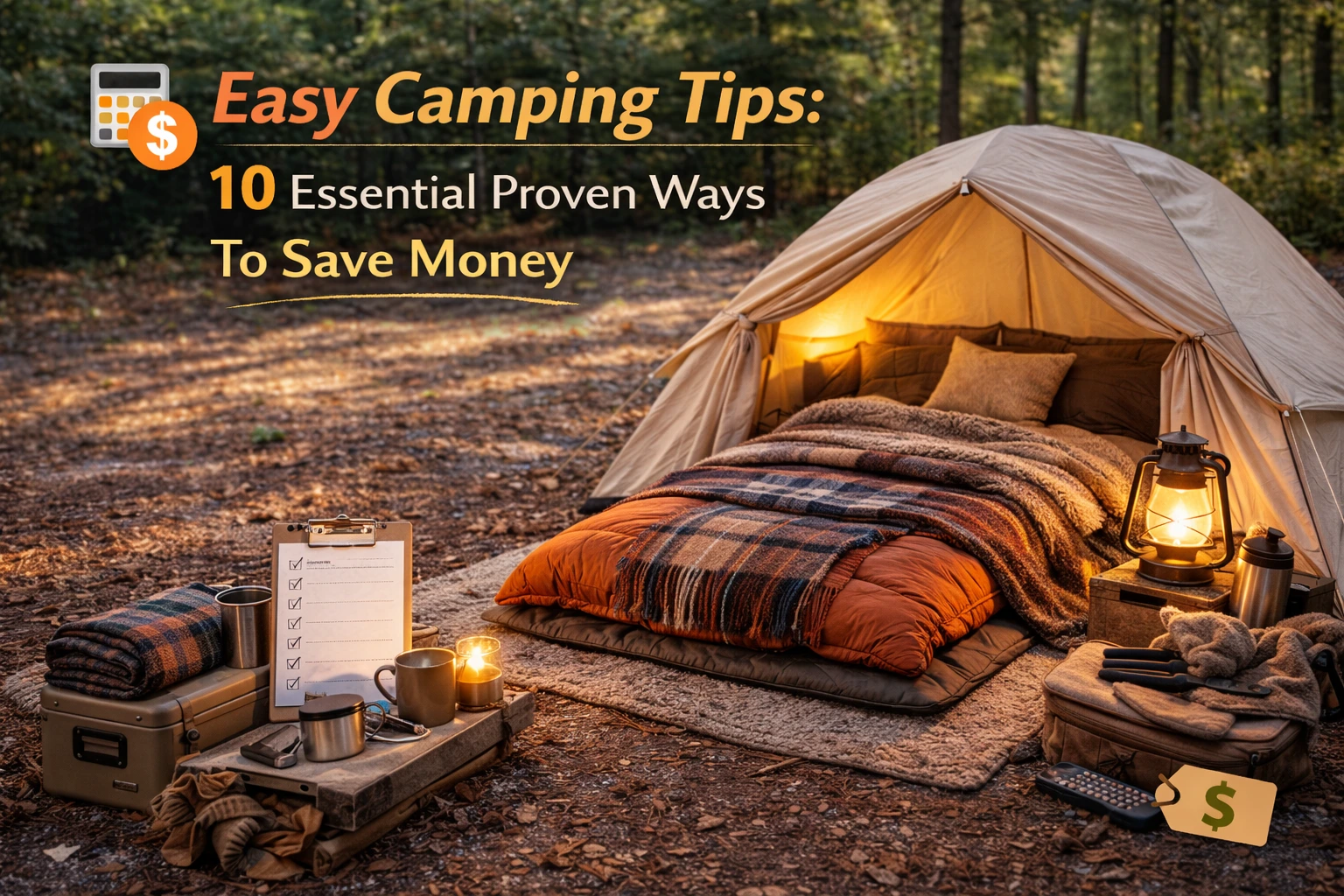
Easy camping tips can make the difference between a relaxing weekend outdoors and a frustrating, uncomfortable experience. If you’re a busy new camper worried about sleep, warmth, lighting, or buying gear you’ll regret, this guide gives you step-by-step, real-world tips paired with specs and smart buys—no confusion, no guesswork.
Key Takeaways
- Focus on three comfort priorities: warmth, sleep quality, and lighting. Get these right and most rookie mistakes disappear.
- Smart budget gear—like self-inflating pad, cost-effective tents, and collapsible bottles—delivers 90% of the comfort at 50% of the price.
- Practice setup at home, use simple meal prep, and build a checklist for stress free camping that actually works in real life.
- Market snapshot — why budget comfort gear matters right now
- The top 3 overlooked discomforts first-time campers cite — and simple fixes
- Fastest-growing, budget-friendly comfort gear beginners should prioritize
- What other “easy camping tips” posts leave out — critical gear specs you must know
- Quick tent setup, packing and meal-prep tricks that save time and reduce stress
- Budget, weight and pack-size comparison — build a realistic easy-camping setup
- Learning curve and realistic setup/breakdown expectations (what the guides don’t test)
- A short pre-trip and at-camp checklist that reliably prevents first-time failures
- Final decision guide — what to buy first, and how to prioritize upgrades
- FAQ
Market snapshot — why budget comfort gear matters right now
The rise of easy camping tips and comfort-driven starter gear is not a trend—it’s the result of new campers demanding products that balance price, ease, and a cozy feel in camp. In 2024, the global camping gear market approached $90 billion and is projected to top $172 billion by 2032, mostly driven by beginner-friendly gear: think self-inflating pads, affordable stoves, smart lighting, and better tents [source].
Big retailers respond fast, selling out of Ozark Trail self-inflating pads and compact USB lanterns, while tent models like the Kelty Grand Mesa 2 (4 lbs 1 oz, $149) and Alps Chaos 3 set an accessible price/performance benchmark for rookies. This surge matters if you want stress free camping that feels as easy as it sounds—without hidden discomforts, overpacked cars, or wasted dollars.
The top 3 overlooked discomforts first-time campers cite — and simple fixes
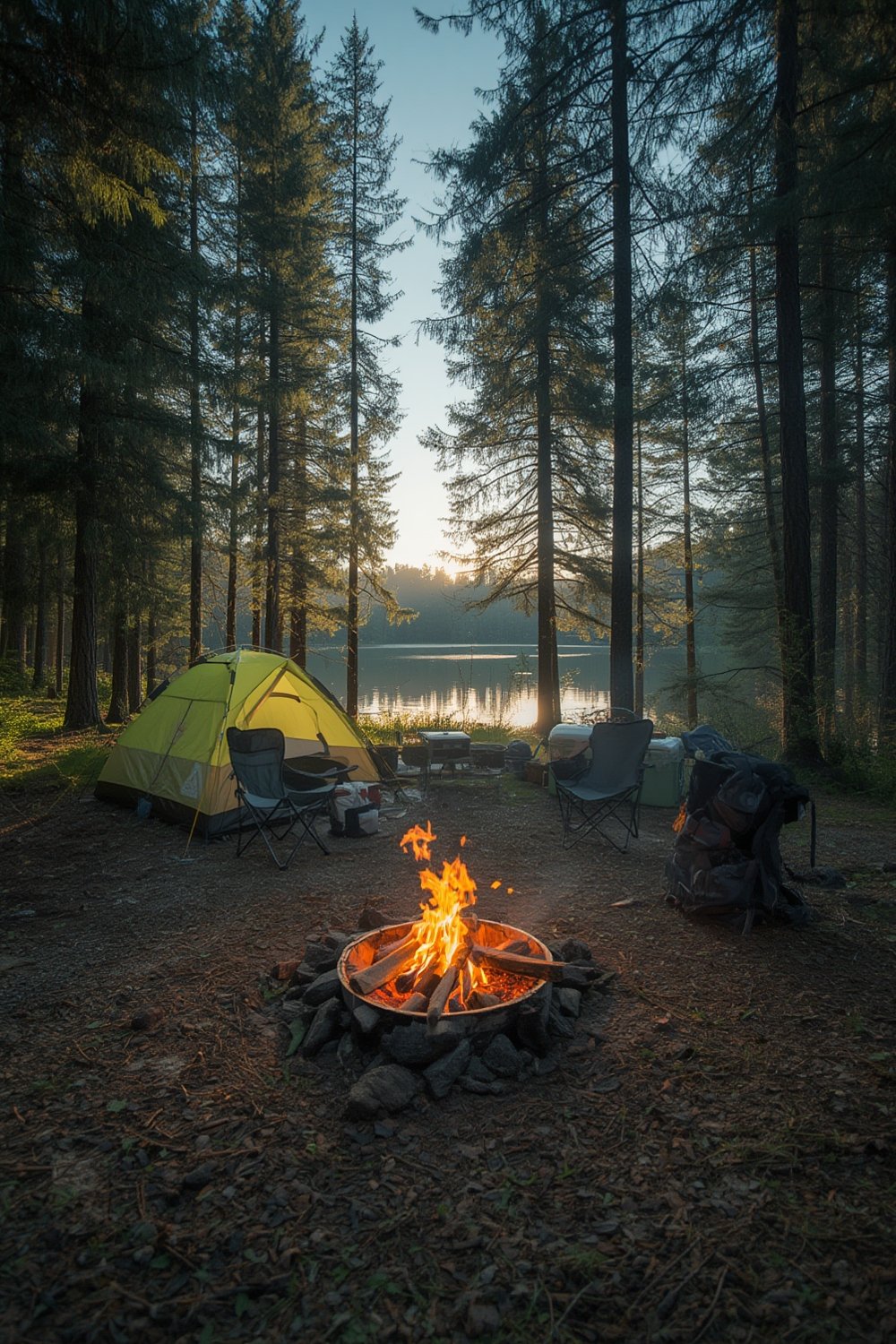
Sleep too cold, scramble for light at night, and toss on an uneven pad—these are the three main comfort failures that keep beginners from returning. Most beginner gear guides overlook how much warmth, bedding, and lighting impact your first impression of camping.
- Warmth & Bedding: Use a self-inflating pad at least 2″ thick with R-value 5 (Ozark Trail, $30) and a sleeping bag rated to at least 10°F colder than predicted lows. Don’t trust the “comfort” rating—look for the “lower limit.”
- Lighting: Invest in two affordable headlamps (under $20 each) for hands-free setup and late-night wanderings. Avoid over-relying on your phone flashlight—it kills battery and feels clunky in real use.
- Sleep Surfaces: Wider pads and basic fabric camp pillows give you more space and support. If you run cold or need a softer bed, layer with a cheap foam yoga mat under the pad.
Consistent beginner wins: tents with mesh pockets for critical items, wide vestibules for entry/exit, and leaving internal tent vents open to avoid condensation. More first camping trip tips focus on keeping things stress free, not hardcore.
Fastest-growing, budget-friendly comfort gear beginners should prioritize
Retail data and beginner reviews clearly show the fastest-growing gear must-haves for newcomers fall into a few proven categories:
- Self-Inflating Pads: At 2″ thickness and R-value 5 (Ozark Trail), these sell exceptionally well for comfort and insulation—expect $30 to $40.
- Compact Lanterns & Headlamps: Both USB/solar models under $30 are in demand for their reliability—look for runtimes over 10 hours, brightness over 150 lumens, and dual modes (flood and spot).
- Space-saving Accessories: Collapsible bottles (like HYDAWAY, flatten to 1″ thick [source]) free up packing volume. Polycryo ground cloths (Gossamer Gear, $11) offer an ultralight footprint option for tent protection at 2.4–3.7 oz out-of-the-box.
- Ultra-light Stoves: Fire Maple GreenPeak II is a top pick (3.3 oz, $33) [source]—it packs in fast boil times and built-in ignitor at a fraction of premium prices.
For a full breakdown of minimal cozy camping upgrades and easy camping ideas, see these beginner essentials guides.
What other “easy camping tips” posts leave out — critical gear specs you must know
Most online lists miss crucial numbers: they name the right gear but not the vital specs, which leads to cold nights and wasted purchases. Here’s what other posts skip, and why the specs matter:
- Sleeping Bag Temperature Ratings: Always choose a bag at least 10°F lower than the low you expect. If forecast is 35°F, pick a 25°F bag or warmer.
- Pad Thickness & R-value: Go for 2″ minimum and R-value of at least 5 for general three-season car camping. Less than this, and you’ll likely wake up cold—even with doubled blankets.
- Cot & Chair Weight Limits: Budget options often support less than 225 lbs. Double-check the numbers before you pack.
- Lantern Lumens/Runtime: You want at least 100–150 lumens for area lighting, and runtime of 8–12 hours so you don’t run out of juice at midnight.
- Tent Weights & Ventilation: The Kelty Grand Mesa 2 (4 lbs 1 oz) is basic but proven; also look for side vents and mesh pockets for gear storage and condensation control.
For a deeper checklist on must-have specs, visit this cozy camping checklist. Choosing your gear by the numbers is the most overlooked simple camping trick for stress free camping.
Quick tent setup, packing and meal-prep tricks that save time and reduce stress
Even the best gear won’t help if you waste half your weekend figuring it out. Use these tricks:
- Hands-Free Night Setup: Put on your headlamp before sundown if you’re running late. Aim it at the ceiling for diffuse lighting while you pitch the tent, then keep it on low setting during gear stowing.
- Meal Prep in Zip Bags: Chop and portion breakfast/lunch ingredients at home, then pack them in labeled zip bags for speedy camp assembly—and fewer dirty dishes.
- Stove Choice: Use a stove with built-in ignitor (like Fire Maple GreenPeak II) so you skip the lighter/fuel hunt. Boil water while you organize bedding for real-world multitasking.
- Polycryo Footprint: Lay a Gossamer Gear Polycryo ground sheet under your tent. It’s light, cheap, and keeps water/abrasion from ruining your floor—and you can cut it to fit exactly.
- Collapsible Bottles: HYDAWAY bottles flatten to one inch—pack two or three, fill on-site, and free up space for other essentials in your car or RV.
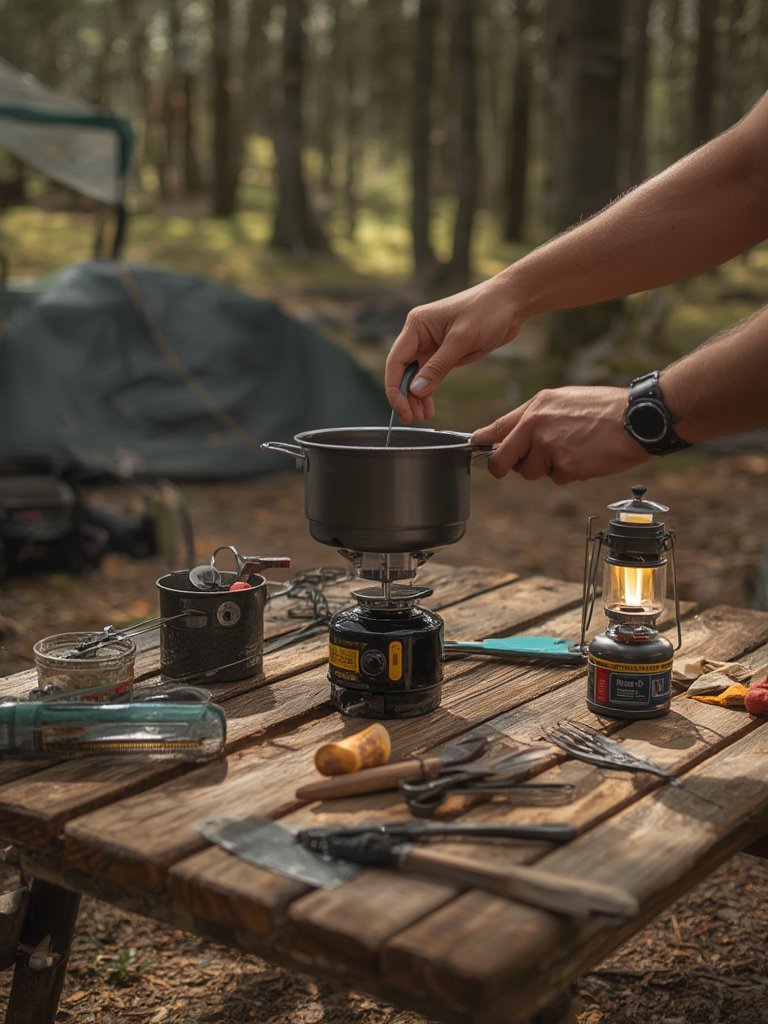
For more car camping checklist hacks and simple camping tricks, explore the top camping hacks from real users.
Budget, weight and pack-size comparison — build a realistic easy-camping setup
Setting a budget doesn’t mean you have to sacrifice comfort. Compare basic and upgraded setups side by side:
| Gear | Basic Price | Upgrade Price | Weight | Pack Size | What You Get |
|---|---|---|---|---|---|
| Self-Inflating Pad (Ozark Trail) | $30 | $60 | 2.5–3 lbs | Compact roll | Comfortable, warm, reliable |
| Tent (Kelty Grand Mesa 2) | $149 | $329 (REI Half Dome 2) | 4 lbs 1 oz–4.8 lbs | 20–24″ | Dry, easy pitch, mesh pockets |
| Stove (Fire Maple GreenPeak II) | $33 | $55 | 3.3 oz | Palm-sized | Quick boil, built-in ignitor |
| Lantern/Headlamp | $18 | $30+ | 2–4 oz | Tennis ball | USB/solar, 8–12 hr runtime |
| Ground Cloth (Polycryo) | $11 | $20 | 2.4–3.7 oz | Flat sheet | Protects tent, ultralight |
Total Cost (Basic): $200–$400 for all essentials.
Total Cost (Upgraded): $400–$500+ with more durable/feature-rich options and extras.
For deeper analysis and more camping hacks that fit any budget, check out this field-tested guide.
Learning curve and realistic setup/breakdown expectations (what the guides don’t test)
Most “easy setup” gear claims skip the real work required to become truly comfortable. Manufacturer specs give no field data for setup times—and user videos rarely time the process.
- Expect 20–40 minutes for setup on your first attempt (tent, pads, sleep system, kitchen). On-trip times drop to 10–15 minutes after two or three dry runs.
- Practice breaking down and packing at home, starting from an unloaded car. Time yourself. This prevents last-minute stress and reveals what doesn’t fit.
- Assign roles: have one person do the tent while another handles kitchen or sleeping gear during actual trips.
- If you’re using a new stove or lantern, test it outdoors in different light and weather—don’t wait for a cold, wet camp morning.
No hands-on field tests have cataloged actual times. Your main advantage is repetition and a checklist for each stage. For insight into real-world learning curves and practical beginner camping tips, learn from guides who stress home practice over theory.
A short pre-trip and at-camp checklist that reliably prevents first-time failures
- Before Leaving Home:
- Lay out all gear in one room.
- Set up your tent, pad, and sleeping bag once—even if just indoors.
- Test your stove and lantern; charge all USB/solar lights.
- Pre-chop and pack food in zip bags, grouped by meal.
- Print and check off your gear list. Don’t rely on memory alone.
- At Camp:
- Choose flat, high ground, and use a Polycryo footprint under your tent.
- Open all tent vents and arrange mesh pockets to store lights and must-haves.
- Set up cooking area away from tent to keep odors and accidents separate.
- Store extra clothes/pads inside to boost warmth and battle condensation.
- Double-check all zippers and guy lines before sleep—loose corners can let in cold or dew.
For more checklists and first camping trip tips that actually work in bad weather, consult seasoned campers who focus on comfort, not just minimalism.
Final decision guide — what to buy first, and how to prioritize upgrades
Follow this list in order for the lowest hassle and highest comfort per dollar as you tackle easy camping tips in practice:
- Sleep System: Mattress/pad and sleeping bag matched to your coldest intended environment. This is 80% of camp comfort—never shortchange it.
- Lighting: Headlamps and a secondary lantern. Always pack two separate light sources for true stress free camping after dark.
- Shelter: Tent with proofed seams, mesh pockets, and venting. Pick entry-level but proven models such as Kelty Grand Mesa 2 or REI Half Dome 2.
- Stove: Lightweight canister with built-in ignitor (e.g., Fire Maple GreenPeak II at $33).
- Comfort Add-ons: Collapsible chairs, bottles, extra pillows, and upgraded pads if you camp in chilly weather or need more support.
On the lowest budget, you can get all the basics for $200–$400. With upgrades—like a higher-end pad, vestibule, or luxury pillow—you may creep up to $500+. Prioritize warmth and sleep before any other feature for reliable, easy camping ideas. For more detailed upgrade maps, explore the cozy camping night setup for all types of weather and budgets.
FAQ
What are the absolute must-haves for stress free camping?
Focus on a warm sleeping pad, bag rated for your climate, reliable headlamp, simple tent with vents, and a stove with built-in ignitor. Add a Polycryo ground cloth, collapsible bottles for easier packing, and a gear checklist to avoid forgetting anything essential.
How do I keep warm during a cold night in a tent?
Use a self-inflating pad (2″ thick, R-value of at least 5), a sleeping bag rated below expected lows, extra clothes as liner, and keep vents open to reduce condensation. Staying dry is critical for warmth.
Are budget gear options reliable for new campers?
Yes. Budget options like the Ozark Trail self-inflating pad, Kelty Grand Mesa 2 tent, and Fire Maple GreenPeak II stove give reliable comfort at a fraction of the price of premium gear. The main trade-offs are longer setup and slightly heavier weight.
What do most beginner campers forget to pack?
The most forgotten items are spare lighting, tent stakes, extra layers, and organized food. Always use a checklist and do a practice pack at home before leaving.
What upgrades actually make camping easier?
After the basics, upgrades that deliver are: a wider and thicker pad, more powerful lantern (200 lumens+), a pillow, and a chair. These have the biggest comfort impact for the cost.