


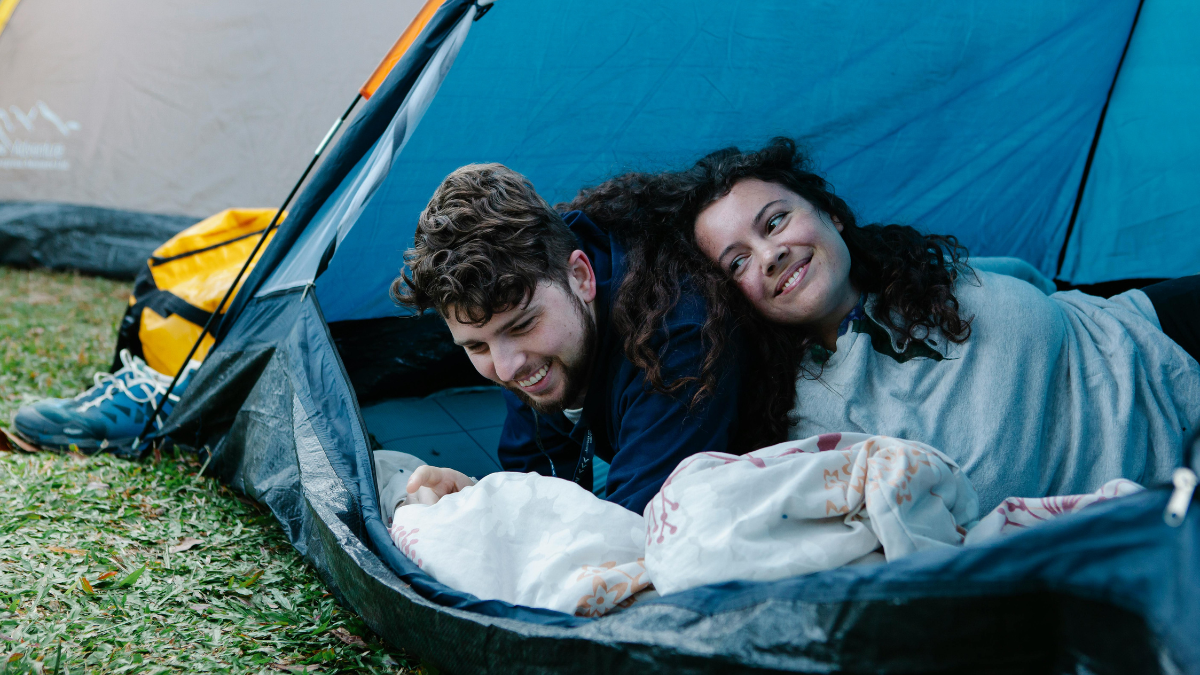
Camping sleep comfort is the difference between waking up refreshed in your tent or feeling sore, groggy, and counting the hours till sunrise. If you’ve ever struggled to get a good night’s rest outdoors, you’re not alone—achieving true sleep comfort while camping requires more than just a sleeping bag. This practical guide breaks down actionable strategies, gear choices, and real-world solutions to help you sleep well under the stars.
Key Takeaways
- Optimizing your gear and campsite setup is crucial for consistent camping sleep comfort, especially as outdoor trips increase in popularity.
- Common sleep disruptors like stress, noise, and temperature swings can be managed with planning and a few proven hacks.
- Investing in comfort-enhancing bedding and understanding environmental factors leads to better rest, making camping much more enjoyable.
- The Core Concept: What Is Camping Sleep Comfort?
- Step-by-Step Guide: How to Achieve Camping Sleep Comfort
- Advanced Analysis & Common Pitfalls
- Conclusion
- FAQs
The Core Concept: What Is Camping Sleep Comfort?
Camping sleep comfort is more than just having a place to lie down. It means optimizing your entire sleep setup – from the ground insulation to your bedding, clothing layers, and the tent environment – so your body can truly rest. While camping and glamping grew to represent 32% of all leisure trips in 2022, many new campers discover that sleeping outdoors isn’t always comfortable at first. Temperature swings, bumpy ground, noise, and the wrong gear can disrupt sleep and sour the experience.
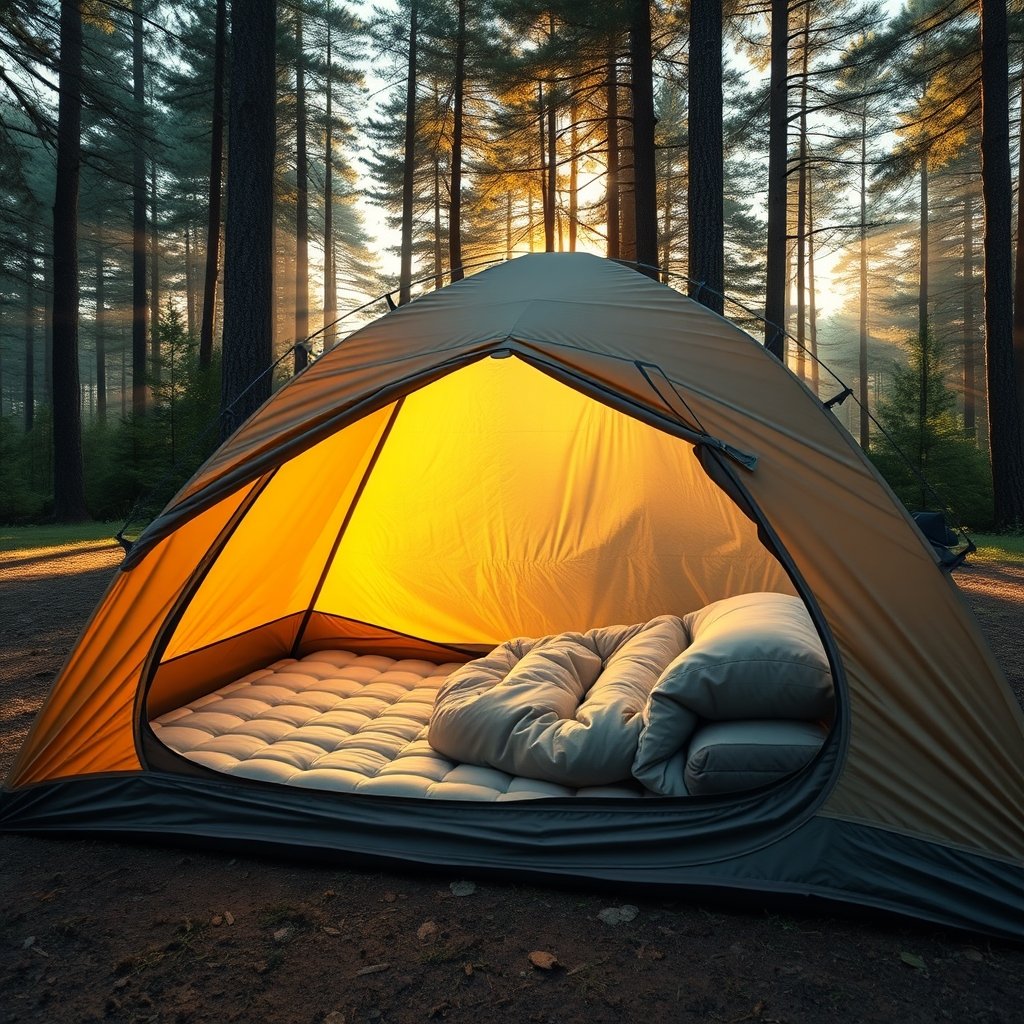
Comfort matters for health and enjoyment. According to sleep research, issues like stress and anxiety already disrupt sleep for many adults, and outdoor discomfort can amplify these challenges. A focus on sleep comfort ensures that your camping memories are positive—rather than fatigued or sore. For beginners or even seasoned campers, small adjustments and smart packing lead to restful nights and better days on the trail.
Ready to sleep better at camp? Let’s walk through the granular, step-by-step process that helps thousands of campers finally get truly comfortable overnight.
Step-by-Step Guide: How to Achieve Camping Sleep Comfort
- Pick the Right Sleeping Surface
Your tent floor isn’t enough. Start with a air mattress or air mattress. For comfort, many campers prefer sleeping pads with a minimum 2.5-inch thickness and an R-value fit for the expected temperatures. If weight isn’t an issue (car camping), a high-quality air mattress or thick foam pad upgrades your sleep exponentially. For a breakdown of sleep pad choices, see Cozy Camping Gear. - Choose the Right Sleeping Bag (and Blankets)
Match your bag’s temperature rating to the coldest temperature you’ll face. For extra comfort, bring a soft liner or pack a camping blanket alongside your bag—layering helps regulate temperature changes through the night. Curious about the best cozy camping blankets? Find recommendations in Cozy Camping Blankets. - Find and Prep a Good Campsite
Ground quality is key. Clear sticks, rocks, and roots. Pitch your tent on level ground, ideally shaded and protected from wind. If allowed, setting up on soft pine needles or grass offers natural cushioning. - Control Environmental Factors
Manage noise and temperature: Use earplugs or sleep headphones to mask campsite sounds. Vent your tent to prevent condensation but avoid direct drafts. Pick breathable fabrics for both your bag and pajamas. - Layer Clothing for Warmth
Sleeping too cold or too hot are common pitfalls. Layer merino or synthetic base layers, wool socks, and a beanie to adjust warmth without overheating. - Tools to Stay Organized and Sane
Keep essentials (headlamp, water, toilet kit) within arm’s reach to avoid fumbling in the night. Use a camping checklist such as Camping Checklist for Beginners to prepare and remember all necessities. - Don’t Skimp on Pillows
A good pillow makes a world of difference—bring your own from home or a compressible camping pillows. Test what works best for your sleeping position before you head out. - Evening Routine Matters
Wind down electronics 30 minutes before sleep. Stretch or meditate to signal your body that it’s bedtime (campfires or lanterns also help set a restful mood). - Be Flexible and Adapt
Conditions change—if you’re cold at 2AM, put on that backup layer; if you’re hot, vent the sleeping bag. Comfort isn’t set-and-forget; it’s dynamic.
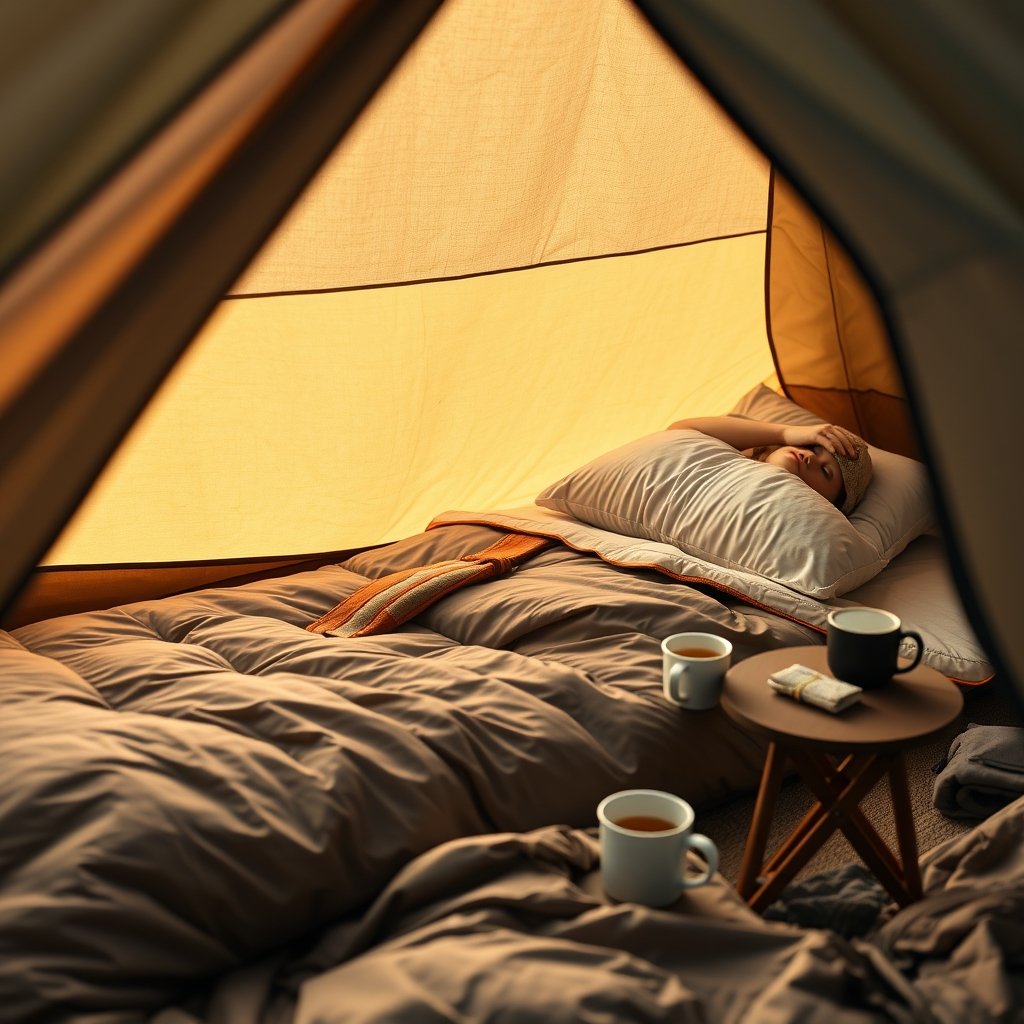
Looking for more actionable camping hacks? Check out The Best Camping Hacks or explore the Minimal Cozy Camping Guide for lightweight ideas.
For families or car campers, comfort can often be maximized with thoughtful gear—see the Car Camping Checklist for a deeper comfort-focused gear list.
Advanced Analysis & Common Pitfalls
Even well-prepared campers sometimes struggle with sleep comfort due to factors outside their control. Here’s a realistic look at what can go wrong—and how to stack the odds in your favor, based on real research and field-tested experience.
- Inadequate Insulation or Ground Padding: Thin or undersized sleeping pads leave campers cold and achy, especially on hard or sloped ground.
- Poor Temperature Regulation: Summer nights can drop unexpectedly cold, while improper ventilation leads to sweat and clammy sleeping bags.
- Noise Pollution: Wind, wildlife, or even campground neighbors make falling asleep difficult for sensitive sleepers.
- Stress, Anxiety, and Poor Sleep Hygiene: According to the ResMed’s global sleep study, 57% of adults report stress as a primary sleep disruptor—and these challenges are often amplified by unfamiliar outdoor settings.
- Overlooking Checklist Details: Forgetting essentials like a pillow, proper socks, or your preferred sleeping bag can make a night unnecessarily miserable.
| Common Solution | Benefit | Downside | Best For |
|---|---|---|---|
| Thick Air Mattress | Most cushion and comfort, easy on back | Bulky, requires pump, can puncture | Car Camping, Families |
| Ultralight Sleeping Pad | Lightweight, packs small, better than bare ground | Less comfort, needs careful inflation | Backpacking, Minimalists |
| Blanket Layering | Customizes warmth and comfort for changing temps | Requires carrying extra gear | Shoulder Season, Cold Sleepers |
| Earplugs/Eye Mask | Blocks environmental sensory distractions | Easy to lose in dark, takes getting used to | Light Sleepers, Public Campgrounds |
| Backyard Test Night | Finds issues before the real trip | Requires extra effort (but saves headaches) | All Campers |
Sleep quality is a crucial part of the outdoor experience. In a recent monthly camping report, 58% of campers said their last trip surpassed expectations—a sign that, with the right approach, good sleep is possible and rewarding (source).
For new campers, a Cozy Camping Checklist can help minimize mistakes. For more insight into staying warm, review Beginner Camping Tips.
Conclusion
Camping sleep comfort is not a luxury—it’s essential for actually enjoying your trip and staying healthy. By combining the right sleep gear, careful site selection, and proven organization tricks, anyone can recreate much of their home comfort in the outdoors. When you prioritize your camping sleep comfort, you’ll wake up ready to make the most of every adventure.
Ready to upgrade your next outdoor sleep? Review your sleeping setup now, check out our step-by-step guides, and plan your next camping trip with comfort in mind.
FAQs
What’s the single biggest mistake new campers make with sleep comfort?
The most common mistake is underestimating ground insulation. Many new campers bring only a sleeping bag, not realizing that the ground saps body heat fast—even in mild weather. Always use an insulated pad or mattress for comfort and warmth.
Are expensive sleeping pads worth it?
Higher quality sleeping pads often offer better insulation, durability, and cushioning, which translates to better sleep. For frequent campers or those with back pain, the investment usually pays off. However, even a budget foam pad dramatically improves comfort over sleeping directly on the ground.
How can I stay warm at night without overheating?
Layering is key. Use base layers and modular bedding (like an unzipped sleeping bag with blankets), which allow you to add or remove insulation through the night. Vent your tent to avoid condensation build-up, which leads to chilliness.
What’s the best pillow option for camping?
If you drive in, bring your home pillow for max comfort. Backpackers should try inflatable or compressible camping pillows—experiment at home to see what fits your comfort needs best.
Do you really need to do a practice night before your trip?
Yes, especially if you have new gear or are camping in a new environment. A practice night helps you troubleshoot gear setup, comfort issues, and forgotten items with no risk.