


### Blog Post:
DIY cozy camping ideas are the best way to transform a basic campsite into a comfortable outdoor retreat—without breaking your budget or relying on expensive gear. This guide reveals actionable, realistic strategies to add warmth, ambiance, and comfort to your next camping trip using smart home solutions and practical hacks.
Key Takeaways
- Simple DIY upgrades like hot water bottle heaters, creative lanterns, and practical organization systems can boost camping comfort for little cost.
- Most campers struggle with chilly nights, poor fire starts, and lacking sleep comfort—these hacks directly address those problems.
- There are crucial gaps in weatherproofing, child safety considerations, and technical details in many top DIY camping guides—always plan for safety and check your solutions before you go.
The Core Concept
DIY cozy camping ideas focus on making your campsite genuinely comfortable using practical, low-cost methods that anyone can try. Instead of splurging on high-end equipment, you leverage simple solutions to solve real-world camping problems—think homemade fire starters for cold and damp nights, makeshift lanterns for soft lighting, and multi-use organizers for chaos-free meals.
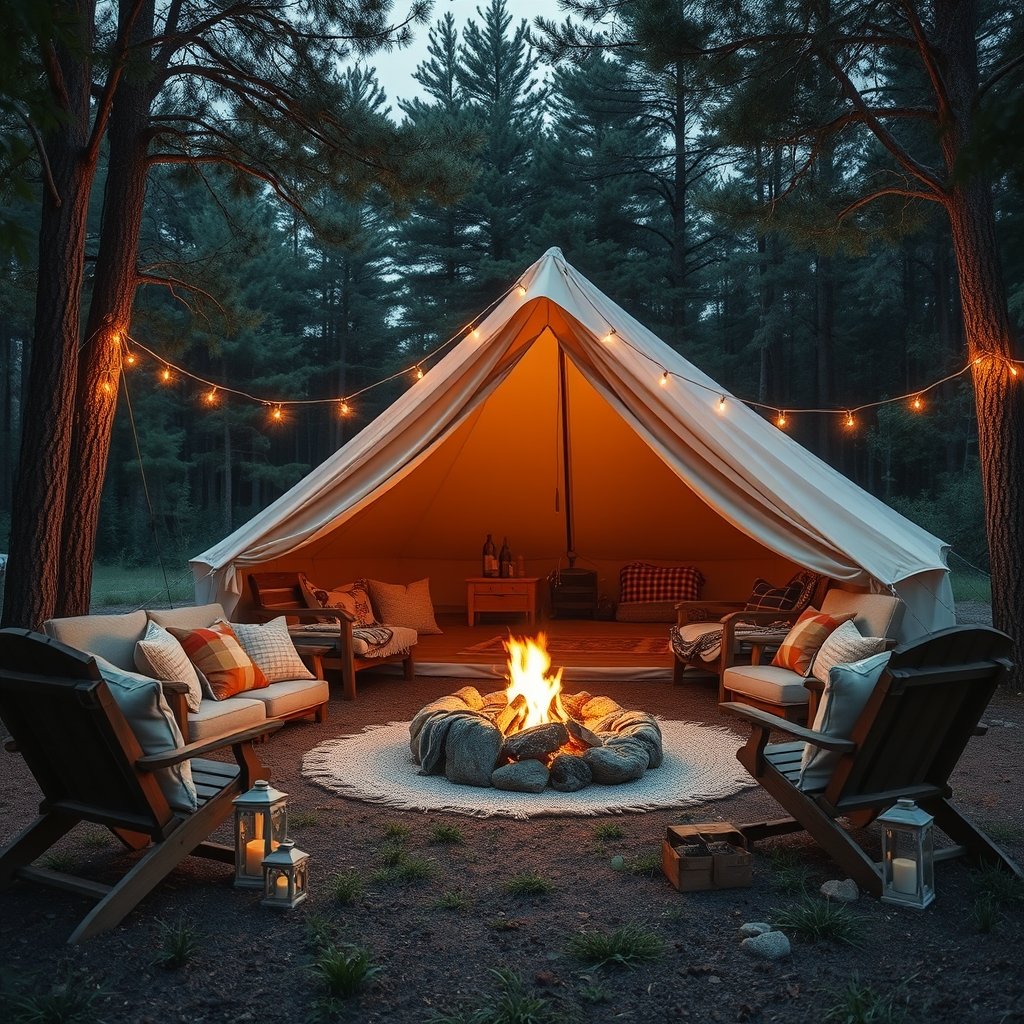
What sets these ideas apart is their focus on comfort through heat, lighting, and sleep innovations, all while remaining highly adaptable for tents, RVs, or backyard adventures. The best part: Most of these upgrades rely on common household items—like water bottles, mason jars, and shoe organizers—making them accessible and sustainable. Since every campsite and climate is different, these hacks can be customized to fit solo, couple, or family camping styles, letting you prioritize warmth, sleeping ease, or organization.
For quick wins and more inspiration, check out these proven CAMPING HACKS and cozy camping night setup guides.
Step-by-Step Guide
Transforming your campsite into a cozy haven is easier than you think. Here’s how to use DIY cozy camping ideas that actually work—step by step.
-
Quick DIY Heating: Hot Water Bottle Hack
Use a classic non-insulated bottle (like an old Nalgene or similar plastic bottle). Boil water, allow it to cool slightly (never fill with boiling water—start around 160–170°F/70–77°C to avoid melting or burns), then pour into the bottle. Tightly seal, slip into a thick sock or wrap with a t-shirt, and tuck it inside your sleeping bag at night. This is a proven trick to warm your bed and reduce the chill—especially useful if you camp where overnight lows drop fast. Source -
DIY Lanterns for Ambiance and Safety
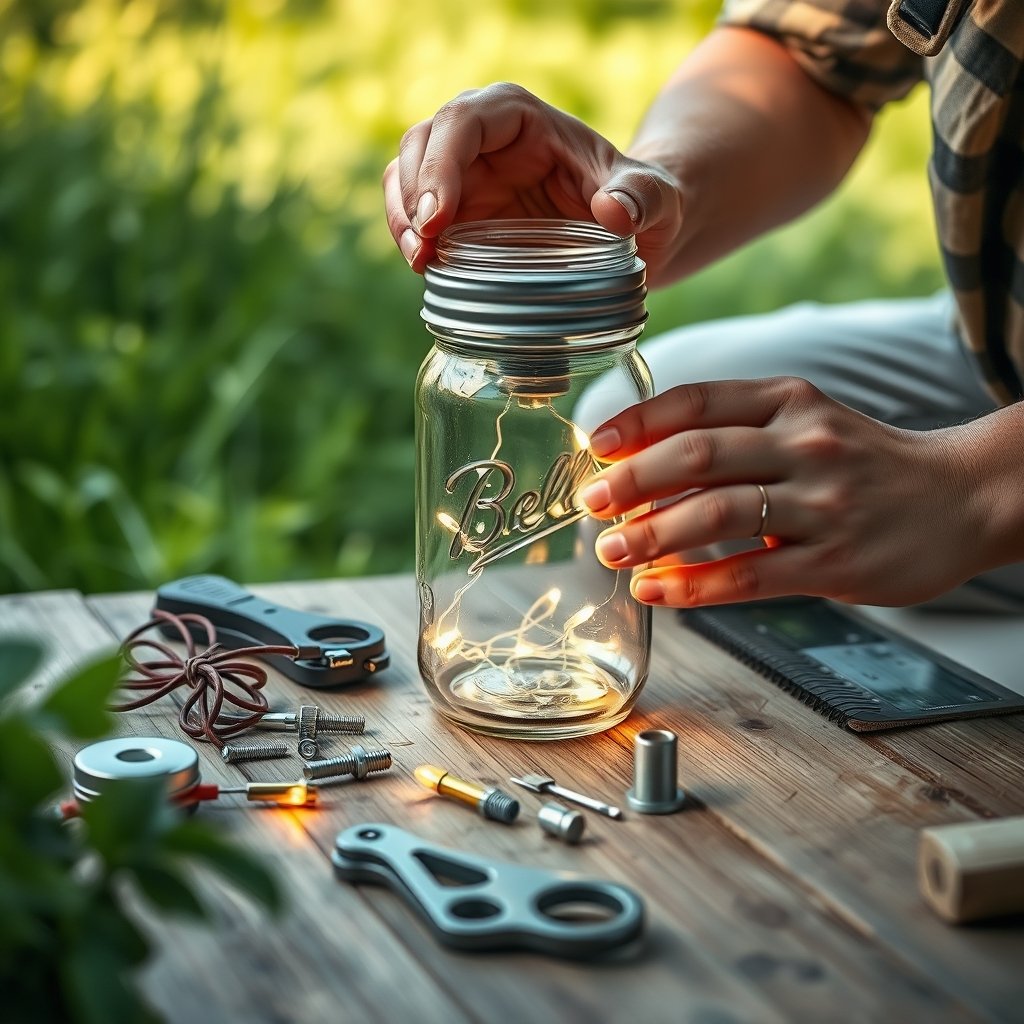
Repurpose glass jars (mason jars or jam jars work well) and pair them with battery-powered LED candles, tealights, or even string lights. For an earthy look, punch holes in the sides of clean tin cans, creating patterns or lantern effects. String or attach to branches for soft, flicker-free illumination—and personalize them with paint or leaves for a true camp-vibe. No need for an outlet or risk of fire, making these safe for inside tents. See detailed guides at this source. -
Hang a Shoe Organizer for a Portable Camp Kitchen
Buy a cheap multi-pocket shoe organizer (the kind with clear pockets). Hang from a tree or from your car’s hatch. Store food, spices, utensils, first aid, and even headlamps—keeping everything visible and in one spot. Bonus: The pockets protect gear from dirty ground (but not heavy rain, so put under a tarp). -
Sleeping Surface Fix: Yoga Mat or Foam Underlay
Slide a yoga mat or foam exercise pad under your sleeping setup. This adds critical cushioning and insulation on cold ground, giving you the best sleep for the least effort (especially on rocky or uneven ground). As shown here, it’s a favorite for both backyard and wilderness camps. -
Hammock System for True Relaxation
Switch out your old tent for a modern hammock, if your area has reliable trees. Look for bug netting and a rainfly. Lightweight, easy to pack, and perfect for solo campers or daytime naps. Add a sleeping pad for warmth and stability. Inspiration and instructions are detailed in this guide to a minimal cozy camping setup.
-
Make Your Own Fire Starters
Stuff dryer lint, cotton pads, or sawdust inside cardboard toilet paper rolls. Or, dip pine cones in leftover candle wax. Dry them well. Pack into a waterproof bag. This hack makes campfire-lighting much easier in damp or windy conditions, but always use safe materials and never burn plastics or synthetic fibers. Find more must have camping comfort gear to keep your trip stress-free. -
Extra Sleep Space: Try Sleeping Pods for Privacy (Family Tip)
If you’re camping with kids or groups, small sleeping pods or cocoons (DIY with heavy blankets and tarps) can block out wind and add privacy without the price of new tents. Just ensure good ventilation and secure anchoring.
For more sleep improvement tips, visit the Camping Sleep Comfort guide or consult this in-depth best camping blankets roundup.
Advanced Analysis & Common Pitfalls
While DIY cozy camping ideas help close the comfort gap, they’re not perfect. Here’s a breakdown of common issues—and what usually gets overlooked in top-ranking articles.
| Solution | Practical Advantages | Downsides & Pitfalls | Missing or Poorly Addressed |
|---|---|---|---|
| Hot Water Bottle Heater | Very cheap, fast warmth, reusable, no fuel required | Possible leaks, risk of burns if water too hot, can cool after a few hours, not suitable for direct skin contact, limited for below-freezing nights | No reliable temperature guidelines, lacks data on how long warmth lasts vs. commercial products, safety of bottle plastics untested |
| DIY Lantern | Inexpensive, safe, adds ambiance, reusable household items | Low brightness, no quantitative light output, jar glass break risk, cans rust in rain, battery dependency for LEDs | No water-resistance direction, no runtime data, no fire safety for open flame versions |
| Shoe Organizer Kitchen | Ultra-organized, portable, keeps food/tools off ground | Not weatherproof, won’t protect from heavy rain or wildlife, may tear with heavy items | No weatherproofing, pest/animal safety missing, not sized for fresh foods |
| DIY Fire Starters | Free or nearly free, easy to make in batches, quick to light | Inconsistent flame, may burn out quick, wax versions need drying time, safety issues if wrong materials are used | No burn duration data, no toxicity info, no disposal advice |
| Hammock System | Light, compact, enhances relaxation | Needs strong trees, can be cold underneath, may not suit all campers, tricky to enter/exit at night | No weight ratings given, weather ratings incomplete |
Other real-world pitfalls:
- No Waterproofing: DIY hacks rarely protect against rain or heavy dew. Always add a tarp or plastic layer, especially for organizers or storage bins.
- No Clear Data: Few guides provide real tested numbers (like how many hours a DIY bottle stays warm or how bright a lantern will be). If warmth or light is critical to your group, supplement with a backup.
- Safety Blind Spots: Homemade fire starters or dense sleeping cocoons may create fire hazards or ventilation problems. Thoroughly vet for safety, especially around kids or pets.
- No Adaptation Advice: Many hacks don’t address varying climates, elevation, family vs. solo setups, or accessibility needs. Adjust and test for your group’s specific situation.
- Organizational ideas increase comfort but do not solve bedding, warmth, or weather worries directly. Combine with weather gear and insulation for best results.
You can explore more proven ideas with a camping checklist for beginners or cozy camping checklist.
Conclusion
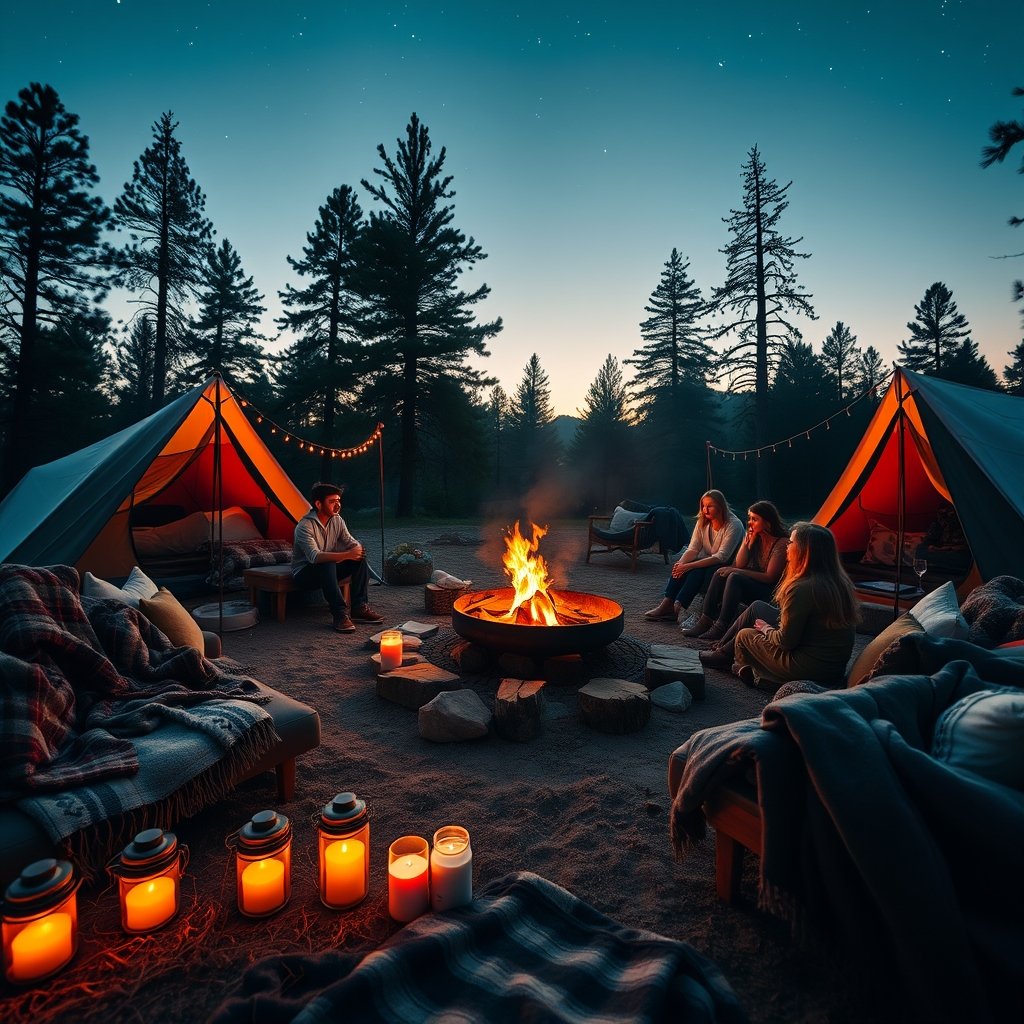
DIY cozy camping ideas are practical, customizable ways to make your campsite warmer, brighter, and more organized without spending much money. They rely on resourcefulness—turning household items into comfort upgrades—but require attention to weatherproofing, safety checks, and a willingness to test before you depend on them outdoors. For a cozier next adventure, gather a few supplies and experiment; you may find your own twist on these DIY cozy camping ideas. Ready to level up your camping comfort? Try one new trick on your next trip and let us know how it transforms your experience.
FAQ
Are DIY cozy camping solutions really safe?
Most are safe if you use common-sense precautions. Always use containers rated for hot water, keep open flames away from flammable materials, and ensure adequate ventilation if building enclosed spaces. Test DIY gear at home and never rely solely on unproven hacks in dangerous conditions.
How can I improve tent warmth cheaply?
Use a hot water bottle heater in your bag, layer clothes, and add foam insulation under your sleeping pad for minimal investment. Avoid sleeping directly on the ground, and drape extra blankets or tarps as windbreaks.
What materials are best for DIY lanterns?
Jars or sturdy tin cans are best. Pair them with LED tea lights or string lights to avoid fire risk. Customize with paint, twine, or pressed leaves for added ambiance. Avoid glass if camping where breakage would be hazardous.
Can I use these hacks in wet weather?
Most work as long as you waterproof key items. Protect electronics and dry materials in plastic bags, cover storage with tarps, and avoid relying solely on cardboard or fabric in damp climates.
Where can I find more cozy camping ideas?
Visit guides like easy camping tips and cozy camping gear for more actionable insights.
—