


Cozy camping meal prep is the smartest way to eat well, stay comfortable, and actually enjoy campfire time instead of slaving over a grill. Perfect for beginners, this guide strips away guesswork and keeps your food delicious, safe, and simple, wherever you pitch your tent.
Key Takeaways
- Prepping meals at home reduces campsite stress and simplifies camp cooking, especially for cozy comfort food.
- Pre-made meals packed in Ziploc bags and foil are the go-to method for beginners and pros alike. This method cuts down on cleanup and keeps things organized.
- Knowing basic safety tips and pitfalls helps prevent food spoilage and rookie mistakes.
- What Is Cozy Camping Meal Prep (and Why Bother)?
- How To Meal Prep For A Cozy Camping Trip: Step-by-Step
- Analysis, Real User Problems & What Can Go Wrong
- Conclusion
- FAQs
What Is Cozy Camping Meal Prep (and Why Bother)?
Cozy camping meal prep is about making your camping experience comfortable by getting food ready at home. Instead of chopping, sautéing, or fussing with raw ingredients at your camp table, you simply heat or finish quick-prepped meals at the site. The main benefit? You save time, eat better, and actually relax more at camp. This approach works especially well for families, beginners, and anybody craving a homey touch outdoors.
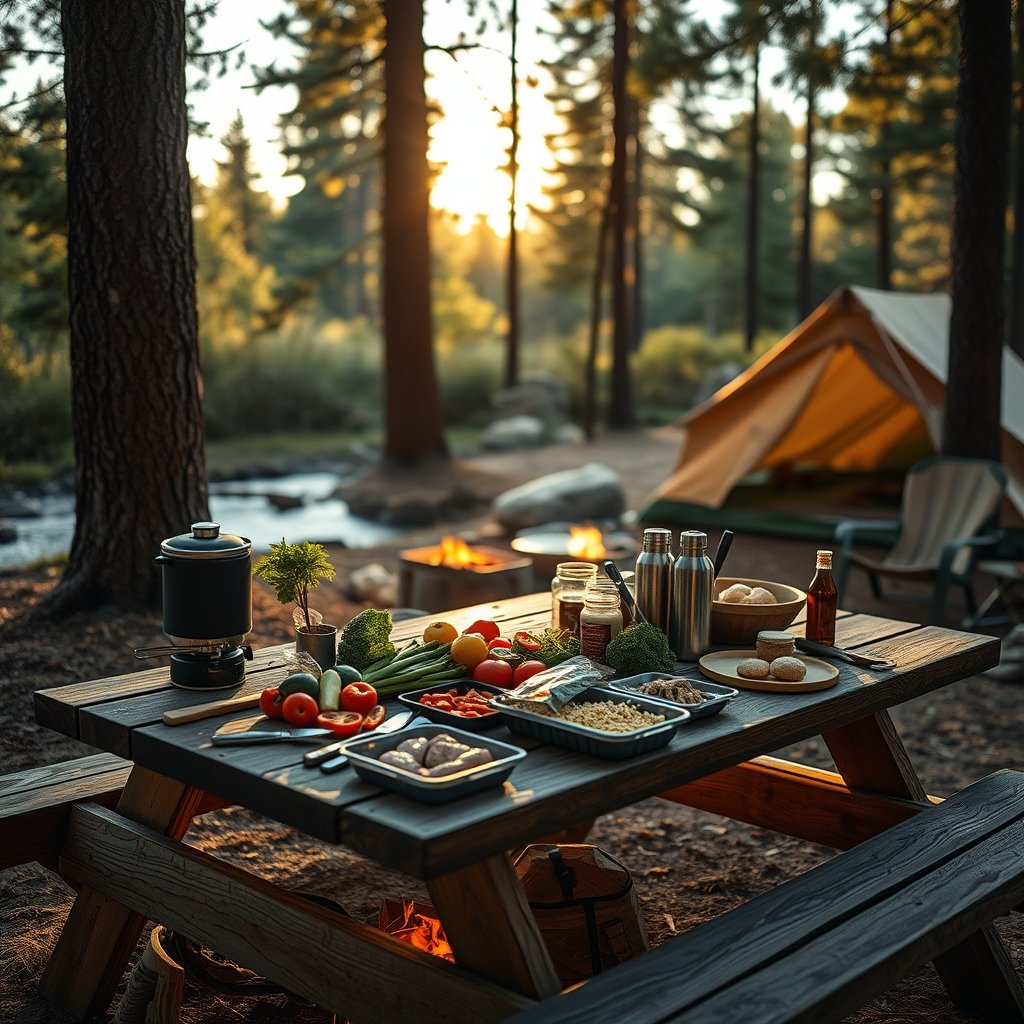
Campsite cooking can be messy, slow, or unpredictable (especially in cold, wet, or windy conditions). With cozy meal prep, your meals are mostly assembled or cooked at home. Ziploc bags and heavy-duty foil wraps keep ingredients and meals organized and ready to cook or reheat. This approach emerged from real camper experience, not from industry reports or statistics, but is widely recommended by camping experts and gear guides.
For example, see expert tips listed in CNHI’s camping prep article.
There’s a reason so many modern campers—especially Gen Z and Millennials— prefer ready-to-eat or make-ahead kits: It saves energy, reduces fuel use, and lets you focus on enjoying the outdoors (market research).
Interested in making your whole camping trip as smooth as your mealtimes? Check out these camping hacks for more practical tricks.
How To Meal Prep For A Cozy Camping Trip: Step-by-Step
Follow these steps for low-stress, high-comfort eats at your next campsite:
-
Set Your Menu
Start with comfort dishes that taste good even when reheated or eaten cool: chili, curry, one-pot stews, pasta salads, oats, wraps, and burritos all work well. Look for simple ingredient lists, fewer messy sauces, and recipes that cook well in batches at home. -
Batch Cook and Chill
Cook your meals at home. Let hot food cool completely before bagging. Cooling prevents sogginess and extends shelf life, especially for hearty, moist dishes. -
Pack in Portions
Divide meals into single servings or meal portions in Ziploc bags. Heavy-duty foil packs are great for campfire reheating. Squeeze out extra air before sealing to save cooler space and reduce spoilage. -
Organize Your Cooler
Put meals for your last day at the very bottom. Snacks, fresh fruit, and “grab-and-go” meals on top. Place chilled packs or frozen meals strategically to help keep other foods cold. Consider double-bagging anything with sauce or high liquid content to avoid leaks. -
Label Everything
Use a permanent marker to label each bag with contents and date. (Add simple reheating instructions, especially for group camping.) -
Keep It Clean
Bring a separate bag for trash and another for used utensils. This keeps your meal zone safe, nets you fewer pests, and cuts down on mess.
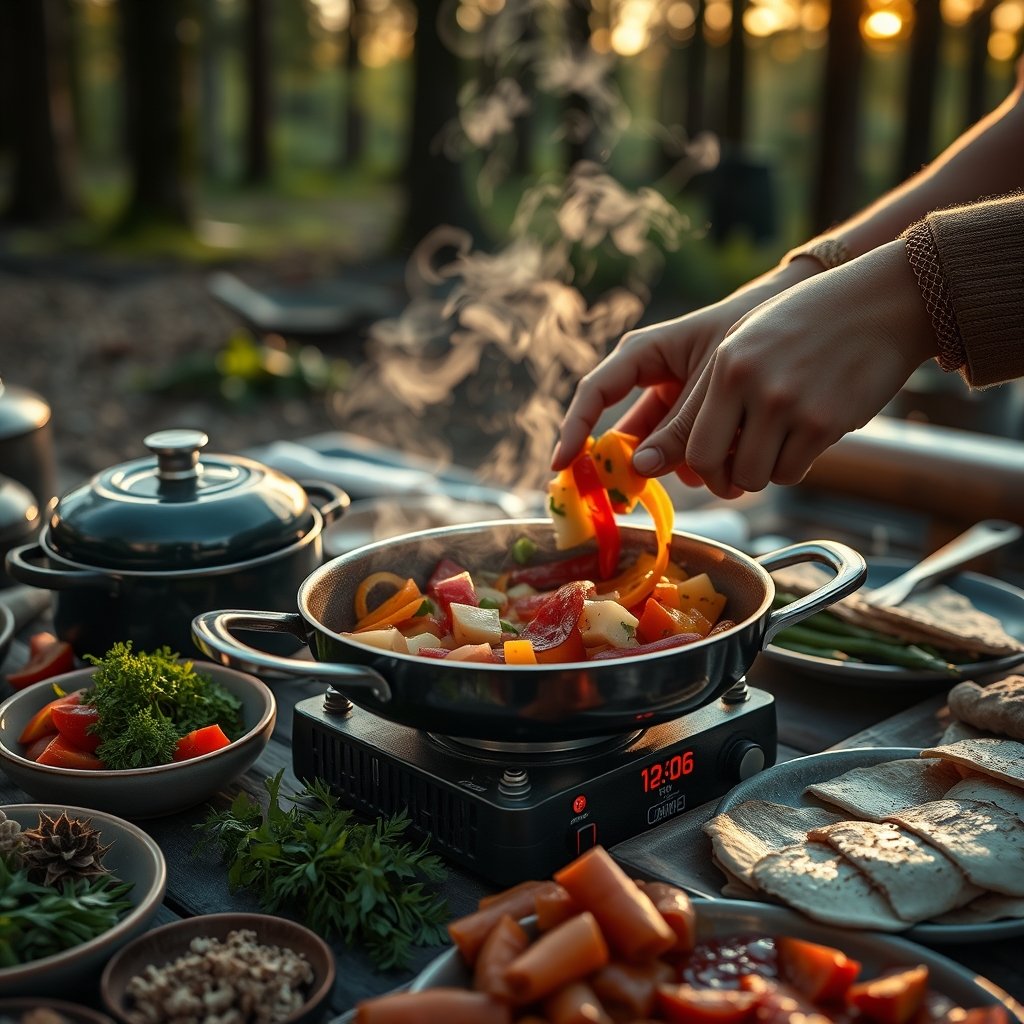
Want more comfort tips for your entire camp setup? See cozy camping night setup for a complete guide to campside warmth and comfort. If you like your approach minimalist (but warm), there’s a dedicated guide on minimal cozy camping too.
If low-cost hacks appeal, see these easy camping tips—from gear to meal prep—for affordable, cozy solutions.
Analysis, Real User Problems & What Can Go Wrong
Not everything goes as planned with camping meal prep. Here’s what to watch for—especially as a beginner:
- Spoilage risk: There are no updated (2023-2024) governmental food safety guidelines for storing or transporting prepped camping meals. Use common sense: keep perishables below 40°F (4°C), avoid dairy or mayo-heavy dishes unless you have reliable cold storage, and make meals for just the number of days you’ll camp (source).
- Leaky containers: Ziploc bags are easy, but single-thin sandwich bags can leak. Upgrade to freezer-grade bags or double-bag when unsure. Foil pouches can tear if handled roughly.
- Colder climates: Meals may freeze in some chillers or chest coolers. Plan simple breakfasts and hot dinners to avoid eating meals that are half-frozen.
- Complexity: Over-ambitious “gourmet” meal preps are a common point of regret. Stick to tried-and-true, one-pot or one-wrap options that reheat (or eat cold) easily.
- Food boredom: Bring extra flavor packets—hot sauce, spice mixes, or cheese—since prepped foods can taste a bit bland if you use the same recipe three days running.
- Cleanup: While prepped meals mean less dishwashing, any spills or unfinished meal packs become a bear attractor if not handled fast. Always pack trash out and rinse your cooking area well.
| Meal Prep Option | Pros | Cons |
|---|---|---|
| Ziploc Bag Meals | Easy, cheap, saves space, portioned, low waste | Leak potential, limited heat resistance, single-use plastic |
| Heavy-Duty Foil Packs | Campfire compatible, minimal cleanup, no dish needed | Punctures possible, not reusable, can burn if not watched |
| Ready-to-Eat Commercial Meals | Lightweight, long shelf life, minimal prep | Higher cost, bland taste, lots of packaging |
Money-conscious? Compare prep and gear expenses in this industry analysis. For a full budget guide, read budget camping ideas to save money.
For an essentials-only list that helps with both gear and food, try this cozy camping checklist.
Conclusion
Cozy camping meal prep isn’t glamorous—it’s practical and transformative. By prepping meals at home, storing them in labeled Ziploc bags and heavy-duty foil, and understanding the real risks and benefits, you set yourself up for better food, less waste, and much more leisure at camp. Keep meals simple, use basic food safety rules, and pack smart containers for best results.
Ready to try cozy camping meal prep on your next trip? Make your food simple, tasty, and safe—then spend your time outdoors relaxing, not scrambling. Explore more practical camping comfort strategies on our cozy camping gear guide.
FAQs
What foods work best for cozy camping meal prep?
Dishes like chili, pasta, curries, overnight oats, breakfast burritos, stews, and cold pasta salads all work well. One-pot meals and wraps keep things simple and portable.
Do I need a cooler, or can I get by without one?
A cooler is highly recommended for any meal containing meat, dairy, or items you want to serve cold or keep from spoiling. If you bring only shelf-stable or freeze-dried foods, you might skip the cooler, but it limits your options and comfort.
How do I keep my food safe if I’m camping in hot weather?
Keep perishables below 40°F (4°C). Use frozen water bottles or ice packs at the bottom, and store the cooler in the shade. Eat the most perishable foods first (within 24 hours) and avoid prepping with eggs or dairy for longer trips.
What should I do if a Ziploc bag leaks?
Always double-bag juicy or saucy meals. Pack leak-prone items in extra bags or foil, and keep these at the bottom of the cooler. Bring paper towels and extra Ziplocs for emergencies.
Is prepped camp food cheaper than pre-packaged meals?
Usually yes, especially if you batch cook and use ingredients from home. Pre-packaged camp meals are convenient and lightweight, but they cost more per serving and create extra packaging waste.