


warm camping meals for cold weather can make the difference between a miserable, chilly night and a cozy, rejuvenating adventure. The science backs up what seasoned campers know: hearty, hot meals are your best ally against biting cold. But there’s more to staying warm outside than just boiling water—how you plan, prep, and cook meals in cold weather directly impacts your comfort, energy, and safety.
Key Takeaways
- Warm, calorie-rich camping meals help your body retain heat and maintain high energy levels by supporting increased metabolism in cold conditions.
- Effective meal planning, quick-cook strategies, and the right ingredients make preparing hot meals far easier on cold nights—avoid complicated recipes when temperatures plummet.
- Packing shelf-stable, high-calorie, and lightweight foods is key to keeping your kit efficient and your meals warming.
- How Warm Camping Meals for Cold Weather Really Help (What & Why Explained)
- Step-by-Step: Making Warm Camping Meals in the Cold
- Advanced Analysis: Pitfalls, Science, and Troubles You Should Expect
- Conclusion: Stay Toasty, Eat Well
- FAQ: Warm Camping Meals for Cold Weather
How Warm Camping Meals for Cold Weather Really Help (What & Why Explained)
Supplying your body with hot, energizing meals during cold-weather camping does much more than provide comfort—it is the frontline tactic for preserving warmth, staving off fatigue, and staying mentally sharp.
Cold exposure triggers something called cold-induced thermogenesis (CIT). This ramps up your metabolism, primarily through activating brown adipose tissue (BAT), which burns extra energy to defend your core temperature—even if you’re not shivering. The science shows that eating calorically dense, warm meals directly supports this process, especially when you’re outside for long periods exposed to air below 14°C (57°F). In other words, your body can burn 5-20% more energy just to stay warm, and what you eat becomes absolutely critical for comfort and safety. Cozy camping checklists always emphasize planning the right hot meals for this reason.
But it’s not only about calories. The act of eating and digesting hot food sparks up the sympathetic nervous system and supports core warmth via increased blood flow. Traditional “heating” foods—those with higher carbs, proteins, fats, aromatic spices, and even a little caffeine—further reinforce this effect. Some studies have even found that hot drinks in cold weather can foster better mood and digestion. (source, source)
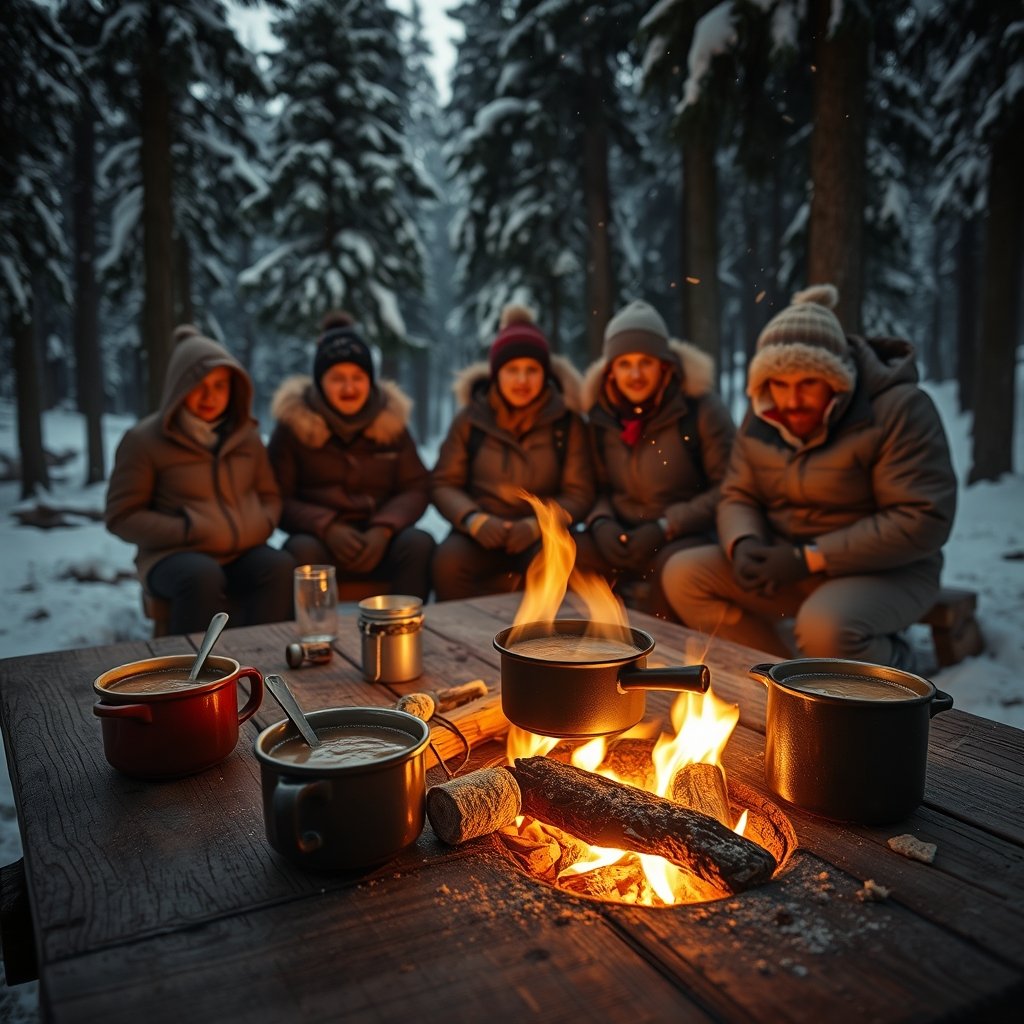
The takeaway? Packing thoughtfully prepped, hot meals isn’t just a morale booster—it’s a core camping survival skill in winter. Skimp here, and everything from sleep to mental clarity and adventure readiness suffers fast. If you want to learn more about basic cold-weather setups, take a look at cozy camping night setup guides for background.
Step-by-Step: Making Warm Camping Meals in the Cold
Cooking outdoors in winter brings challenges: longer boil times, faster fuel consumption, and cold hands that sap motivation. Here’s a clear, actionable plan to keep your meals hot and simple—no matter the weather.
- Choose Simple, One-Pot Recipes. Minimize fuss with meal ideas like chili, pastas, stews, or curry. These require little prep and all cook in a single pot, saving both fuel and frustration. (Get one-pot inspiration: One Pot Camping Meals Easy.)
- Prep and Portion at Home. Dice veggies, pre-cook proteins, and mix spice blends before you depart. Use zip bags or small containers labeled for each meal—this prevents food waste and shivering at the prep table.
- Use Reliable, Cold-Weather Stoves. Canister stoves with isobutane/propane fuel lose power in low temps. Consider white gas/liquid fuel stoves for true reliability below freezing. Prime them before cooking, and keep spare lighters warm in your pocket.
- Keep Ingredients and Water Warm. Store food bags in your sleeping bag overnight if temperatures drop below freezing. Use insulated water bottles or wrap water containers to prevent ice build-up.
- Cook Fast, Serve Immediately. Cold air zaps heat from food fast—don’t let meals linger in open pots or on plates. Serve directly into insulated mugs or bowls, and eat while hot.
- Pack Essential Flavor Boosters. Include a small spice kit—hot sauce, bouillon cubes, curry paste, or dried aromatics bring both warmth and taste to simple dishes.
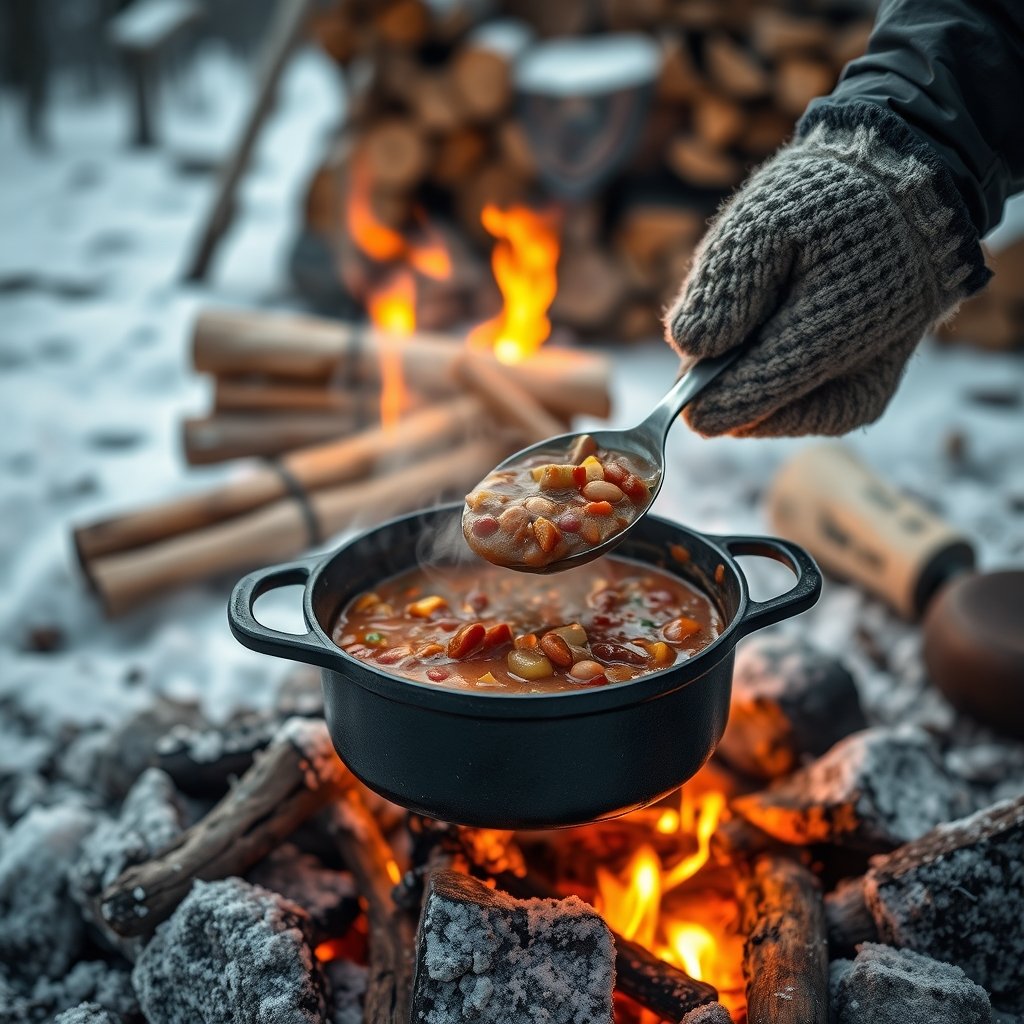
Don’t overlook cleaning. Cold spoils leftovers fast—scrape out pots right after eating, heat water for cleaning, and store food waste away from your camp to prevent animal visitors. If you want more advice on meal organization and prepping, see Cozy Camping Meal Prep.
For every meal you plan, estimate 25-50% longer cook times in freezing weather. Always pack extra fuel. If unsure, check out a solid camping checklist for beginners to avoid the classic oversight of running out on the last cold morning.
Advanced Analysis: Pitfalls, Science, and Troubles You Should Expect
Not everything about warm camping meals for cold weather goes smoothly. Campers run into real obstacles—here’s what you should plan for, why it happens, and science-backed advice for fixing it fast.
Biggest Cold-Weather Cooking Pitfalls
- Fuel Usage Spikes. Most canister stoves burn through 25-40% more fuel below freezing, and liquid stoves require careful priming.
- Longer Cook and Boil Times. Water freezes and boils slower, meaning even simple meals take longer—especially above 2000m elevation. Lack of patience results in undercooked meals or food waste.
- Food Freezing Overnight. If you leave ingredients out, they’ll freeze solid by morning—waking up to an ice brick of pasta sauce is a rookie mistake.
- Diminished Appetite or Nausea. Our bodies sometimes shy away from eating in the cold. Still, you must keep fueling—so opt for comfort foods heavy in carbs and fat when motivation lags.
- Cleanup is Miserable. Pots and utensils freeze to hands. Oil and fat solidify, clogging up sponges and cloths. Bring sturdy scrapers and pre-cut wipes for easier cleaning.
Ingredient Comparison Table: Caloric Density vs. Shelf Life
| Food | Calories (per 100g) | Avg. Shelf Life | Packing Weight | Notes for Cold-Weather Use |
|---|---|---|---|---|
| Instant Rice or Pasta | 350-370 | 12-18 months | Low | Fast-cooking, lightweight, absorbs sauces well |
| Powdered Cheese or Butter (Ghee) | 550-700 | 6-12 months | Very low for calories delivered | Heat-stable fat source; add to any hot meal |
| Dehydrated Beans or Lentils | 320-350 | 12-18 months | Light | Protein and fiber, require more water |
| Powdered Milk or Plant Milk | 480 | 12+ months | Very light | Creamy drinks, oatmeal, or savory sauces |
| Caffeinated Drink Mixes (coffee, chai, cocoa) | Varies, 400+ for sweetened mixes | 6-12 months | Minimal | Boosts warmth and alertness |
| Vacuum-sealed Sausage or Jerky | 380-500 | 6+ months | Moderate | Great for protein, snack or meal boost |
For more tips on minimizing your pack for warmth and comfort, check out guides on minimal cozy camping and smart cozy camping gear.
If you want to dive deeper into the metabolic science, consult the original research on proper nutrition and thermoregulation.
Conclusion: Stay Toasty, Eat Well
Don’t underestimate the power of warm camping meals for cold weather. No matter your skill level, a bit of advance planning, smart ingredient choices, and reliable cooking setups mean your food will keep you energized and warm—even on the wildest winter nights. A few thoughtful decisions can turn a shivering ordeal into a cozy, memorable camping experience.
Ready to take your next cold-weather trip to the next level? Review your meal plan, double-check your fuel supply, and test out some recipes at home. Then get outside, stay warm, and eat well. If you want more practical hints, browse our camping hacks before you pack. Enjoy your next adventure!
FAQ: Warm Camping Meals for Cold Weather
What is the best way to keep food from freezing while camping in winter?
Keep food and snacks that are prone to freezing inside your sleeping bag or insulated pack at night. For short-term, place them near your body (inside your jacket). Pre-cooked meals in vacuum bags, stored in an insulated bag, will also thaw more reliably for morning heating.
Are instant noodles or pasta good for cold-weather camping?
Instant noodles and fast-cook pasta are among the best options. They require less fuel and water, are lightweight, and when loaded with added fats or protein, deliver both warmth and energy efficiently.
How much extra fuel should I bring for winter camping?
Plan for at least 25-50% more fuel than you would pack for summer trips, as boiling water and cooking times increase in cold weather. Liquid fuel stoves are generally more reliable below freezing.
Is it better to use pre-packaged or freshly cooked meals when camping in the cold?
Both have advantages. Pre-packaged meals offer speed and minimal prep but may lack flavor and variety. Freshly cooked meals are more customizable and satisfying but demand more time, fuel, and skill in cold weather. Many campers mix both approaches for efficiency.
What high-calorie, light-weight foods work best for cold-weather camping?
Powdered cheese, nut butters, instant rice, pasta, dehydrated beans, jerky, and whole milk powder are high in calories, shelf-stable, and compact. Add spice packets or bouillon cubes for extra flavor and warmth.