


Budget cozy camping gear lets you experience real camping comfort without spending a fortune—if you know what to buy (and not buy). Most guides don’t address real comfort issues with cheap gear or how to actually save, layer, and customize for warmth. This guide gives actionable, evidence-backed steps and smart hacks that help anyone build a warm, inviting camp setup for less.
Key Takeaways
- Top-rated budget cozy camping gear in 2024 includes $40 sleeping bags, $50 insulated pads, and $200 weatherproof tents—comfort doesn’t have to be expensive.
- Layering, DIY hacks, and sourcing gear second-hand can add serious warmth and coziness without much extra cost.
- The biggest complaints about cheap gear are bulkiness, poor insulation, and unreliable comfort—this guide helps you avoid them.
- What Makes Budget Cozy Camping Gear Work?
- A Realistic Step-by-Step Guide to Cozy Camping on a Budget
- Advanced Analysis & Common Pitfalls
- Conclusion
- FAQ
What Makes Budget Cozy Camping Gear Work?
Budget cozy camping gear means getting a camping setup that keeps you warm, dry, and comfortable—without the price tag of premium brands. In 2024, most individual gear items (pad, sleeping bag, stove) cost $15–$50, with a solid full kit for two at about $622. True coziness focuses on warmth and insulation: thick but affordable sleeping pads, properly-rated synthetic sleeping bags, and a tent that keeps wind and rain out, even if it’s heavier or bulkier.
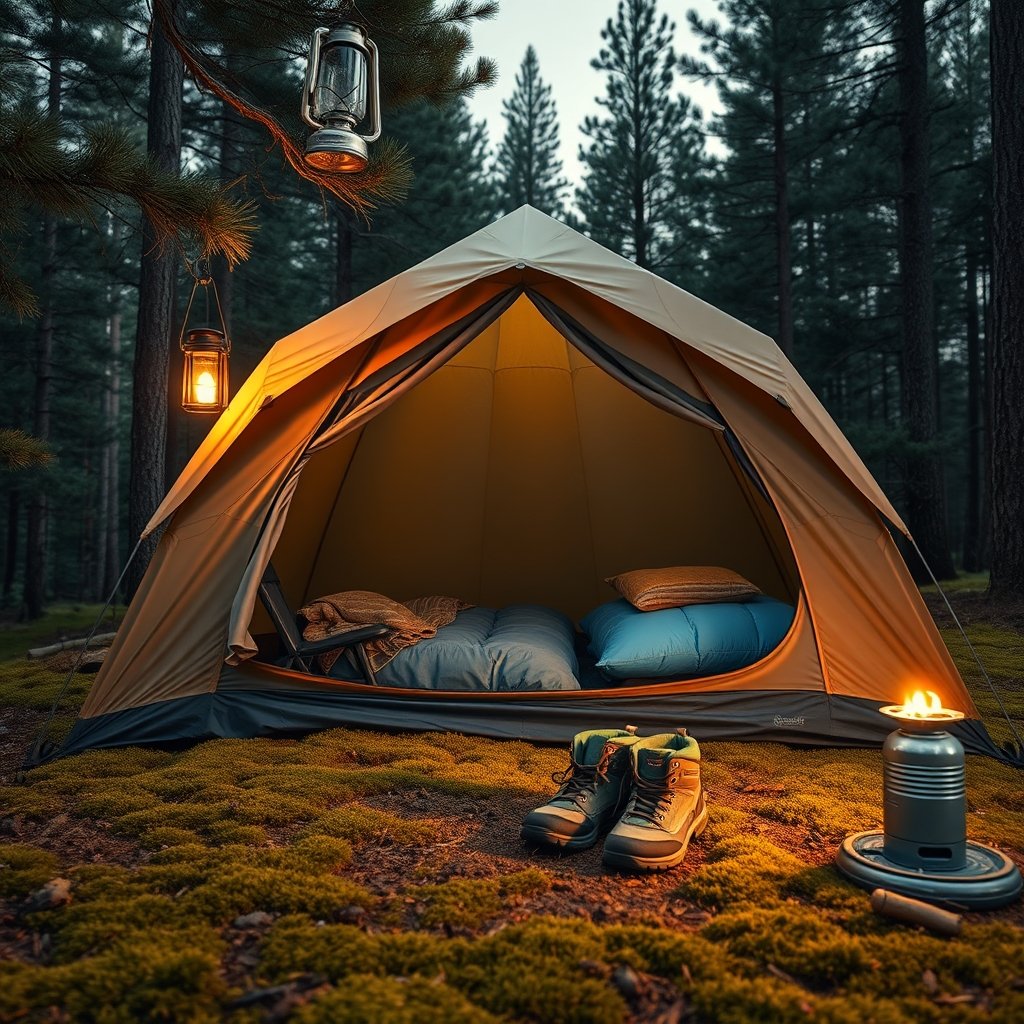
Why not just go ultralight? Because for car camping, families, or newcomers, the real issue is sleeping warm and waking up comfortable—not shaving off every ounce. Budget gear often achieves this with proven, durable materials and clever hacks like adding extra blanket layers.
It’s also about smart shopping: second-hand deals, using what you already own, and knowing which comfort features matter (like R-value on pads or a tent’s waterproof rating). For more practical tricks, check out these top camping hacks for real-life ways to up comfort without blowing your budget.
A Realistic Step-by-Step Guide to Cozy Camping on a Budget
- Start with the “Big Three” Essentials:
- Tent: Look for 3-person tent models around $190–320. Example: Alps Mountaineering Chaos 3 combines space and weather protection [source].
- Sleeping Bags: Two basic synthetic rectangular bags ($25–$40 each) give good base warmth Sleeping Bags [source]. Rectangular models are easier to supplement (see hacks below).
- Pads: Prioritize insulated, inflatable pads like the Trekology UL80 ($35–$50). Buy wide models if possible to avoid “falling off the edge” at night [source].
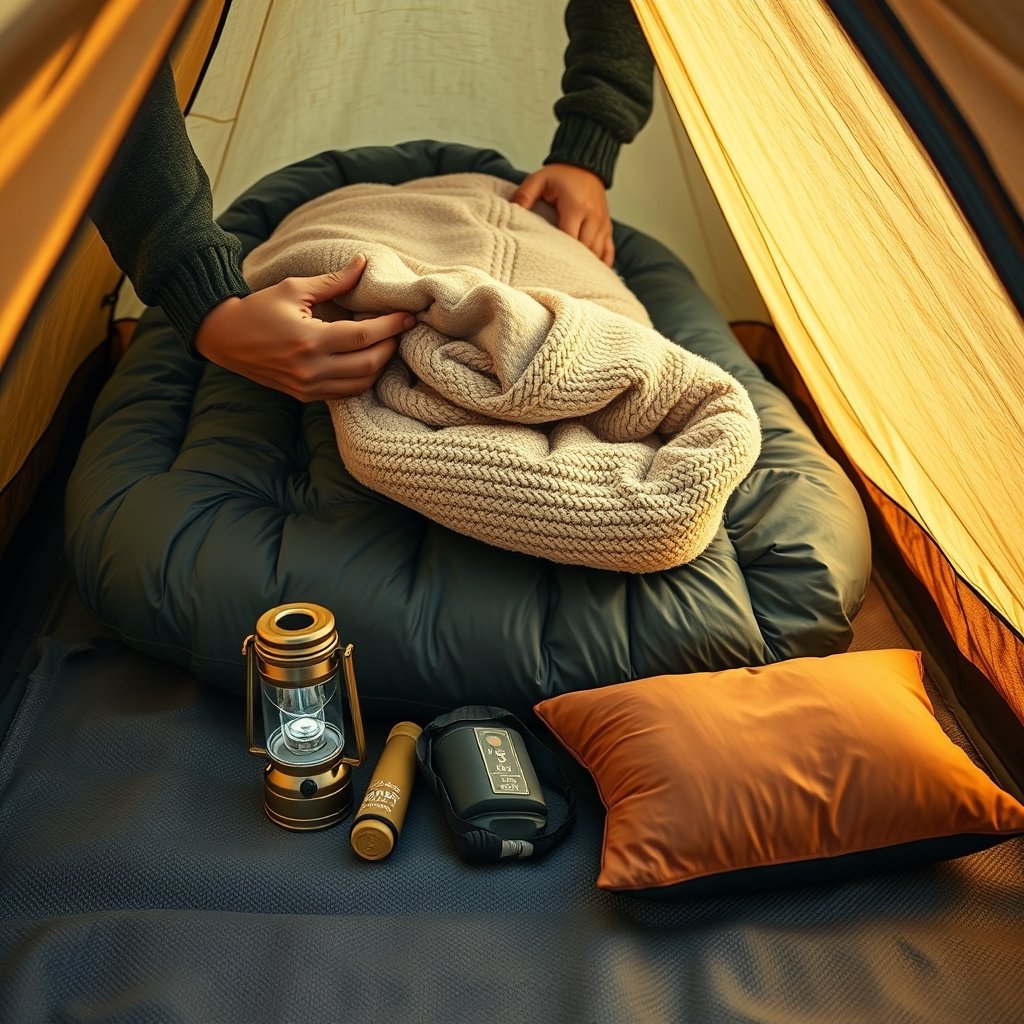
- Layer for Comfort: Use blankets, poncho liners, and wear base layers to boost sleeping bag warmth when needed. Twin-size fleece throws ($16 each) are cheap and effective.
- Cook Simple Meals: A compact single-burner stove ($25–$40) and simple cookware will do. Save by meal-prepping at home—see cozy camping meal prep tips.
- Shop Smart and Second-Hand: Check REI Garage, eBay, and Facebook Marketplace for used gear. Last-year models of pads and bags often sell for 40% less.
- Add True Comfort Upgrades Only If Needed: Think camp chairs, foam mats, or an electric lantern. Prioritize upgrades only after the essentials.
Find more step-by-step lists and layering tips in the cozy camping checklist and checklist for camping beginners.
If you’re car camping, consider reviewing this car camping comfort setup guide to further maximize warmth and space-efficiency.
Advanced Analysis & Common Pitfalls
It’s easy to waste money or end up uncomfortable if you don’t know what to watch out for. Here’s where most budget gear—and the strategies above—can fail:
| Gear Item | Common Budget Problems | How to Solve |
|---|---|---|
| Sleeping Bags | Bulkiness, “optimistic” temperature ratings, poor cold-weather performance | Use layering (fleece, liners, blankets). Check real user temperature reviews before buying [source]. |
| Sleeping Pads | Narrow, slip-off shape, low R-value | Add a second foam layer; choose models marketed as insulated or “wide” (e.g., Trekology UL80). |
| Tents | Heavy, hard to carry; poor waterproofing or ventilation | Stick to setups under 10 pounds for two people. Read real weather reviews and re-proof seams if needed. |
| Backpacks | Poor stitching, frame breakage on extended trips | For car camping, use duffels; for hiking, buy used reputable brands when possible. |
Overlooked Comfort Factors:
- Certification & Specifications: Always check sleeping bag temperature rating, pad R-value (higher = warmer), and tent waterproof/ventilation specs. Cheap models often exaggerate these claims.
- Weight vs. Comfort: Don’t chase ultralight unless you hike long distances. For most users, bulkier insulated gear brings much better sleep and less risk of cold discomfort.
- DIY Upgrades: Cheap gear can almost always be made cozier with foam, blankets, or aftermarket liners—watch for sales or borrow from home supplies.
Use these DIY cozy camping ideas to see more proven hacks with common household items for budget setups.
Conclusion
Building a complete, comfortable budget cozy camping gear kit is possible and practical if you layer, source creatively, and stick to tested products. Invest first in warmth: a real-insulation sleeping pad, a basic but roomy synthetic sleeping bag, and a tent with trusted weather protection. Tweak with blankets and simple hacks rather than buying more expensive gear up front.
Ready to take the next step? Review our detailed cozy camping gear checklist to plan your first budget-friendly, truly cozy outdoor escape. Build your own budget cozy camping gear list today and start enjoying warmer, more restful nights outside.
FAQ
How much does a full cozy camping gear setup cost in 2024?
You can outfit two people for around $622 with full car camping gear: this includes a 3-person tent, two insulated sleeping bags, two sleeping pads, and a small stove. Individual items often fall in the $30–$60 range each. Sourcing used or on sale can cut this by 25% or more.
What are the biggest complaints about cheap camping gear?
Common issues are bulkiness, unreliable warmth (especially in sleeping bags), and low comfort in pads that are too narrow or thin. Reading buyer reviews and testing setups at home help avoid these problems.
How do I make a basic camping setup cozier without extra spending?
Layer your sleeping bag with home blankets or a poncho liner, use foam mats under pads, and wear base layers to sleep. Borrow camp chairs and lighting from friends or home stock to save more.
Where can I find quality used camping gear on a budget?
Check out REI Garage sales, eBay, Facebook Marketplace, and local outdoor groups. Focus on name-brand pads, tents, and sleeping bags, as these last longer with careful use.
Is it safe to rely on the listed temperature rating for budget sleeping bags?
Often, no. Budget bags tend to exaggerate their warmth. Always check independent reviews and layer with blankets or liners for extra assurance against cold nights.