


Best cozy camping lights can completely transform any campsite, turning rough nights outdoors into warm, comfortable evenings. Whether you’re glamping or roughing it in the wild, choosing the right lights keeps you safe and sets the mood for memorable campfire stories and dinners under the stars.
Key Takeaways
- The best cozy camping lights blend soft light, versatility, and durability for both ambiance and safety at camp.
- Modern models offer features like adjustable color temperature, rechargeable batteries, and weather resistance—crucial for outdoor comfort.
- Understanding materials, technologies, and user needs helps avoid common mistakes when picking your next camp lantern or string lights.
- What Makes Camping Lights Cozy?
- Step-by-Step Guide to Choosing and Using Cozy Camping Lights
- Advanced Analysis & Common Pitfalls
- Conclusion
- FAQ
What Makes Camping Lights Cozy?
“Cozy” turns a simple camping lantern into an experience. Cozy camping lights emit a soft, warm glow—often with adjustable hues or candle-flicker modes—creating an atmosphere that’s relaxing, inviting, and practical for evenings outdoors. These modern options prioritize user comfort and ambiance as much as illumination or run time.
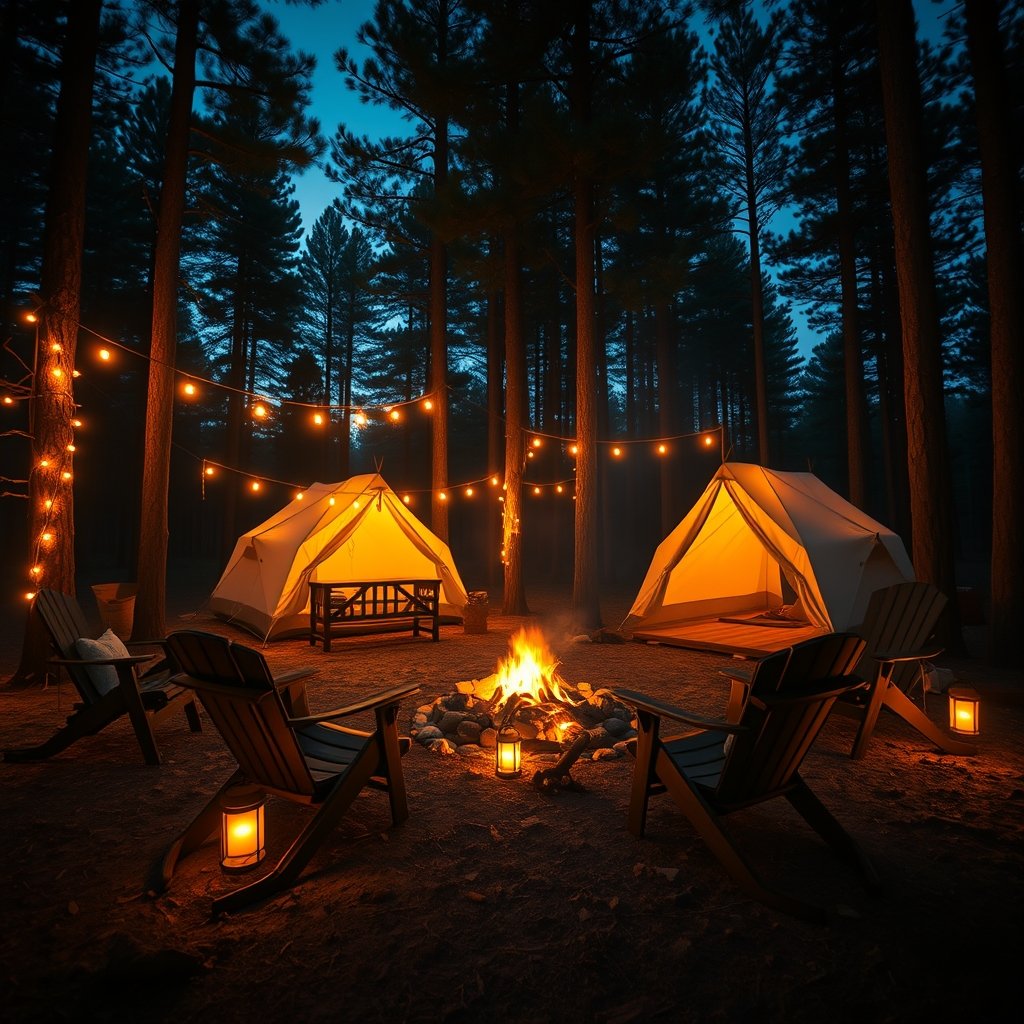
Why should you care? Traditional lanterns can feel stark or harsh on the eyes, while today’s best cozy camping lights—like LED lanterns with color modes, solar string lights, and power-bank combos—let you tailor any spot to your ideal mood. Expect technical improvements for efficiency, light quality, and durability in 2024, with products like the BioLite AlpenGlow 500 and Nitecore LR40 leading the pack based on 2024 industry trends.
The combination of advanced lighting technology, compact designs, and features like waterproofing or insect-repelling modes helps campers create cozy, safe spaces anywhere. If you’re planning your first trip, learn more about how to build a cozy camping night setup for added comfort.
Step-by-Step Guide to Choosing and Using Cozy Camping Lights
Ready to upgrade your campsite vibes? Here’s how to select, set up, and maximize the comfort and convenience of the best cozy camping lights.
- Decide What “Cozy” Means for You: Are you after soft background light or something bright enough to read by? Mood lighting features such as color cycling, dimming, or candle-flicker effects all contribute to the overall ambiance.
-
Pick the Right Lighting Technology:
- LED Lanterns: Most energy-efficient, with selectable hues and flicker options. Examples: BioLite AlpenGlow 500, Black Diamond Moji R+
- Solar & Rechargeable: Ideal for sustainability. Look for USB recharge, power-bank functionality, and solar panel compatibility. Great options include Goal Zero Lighthouse Mini Core and Klarus CL2 (see more details).
- String Lights: Perfect for mood and accent lighting (e.g., MPOWERD Luci Solar String Lights).
-
Consider Weather Resistance and Ruggedness: Always check IP ratings or weatherproofing claims. High humidity, rain, and dust are common campsite issues. Look for robust materials (ABS plastic, aluminum) and designs that resist shock and moisture.
Not sure what to pack? See our camping checklist for beginners to avoid missing crucial gear. - Match Light Output to Your Group Size & Activities: For groups, aim for 300 to 500 lumens of 360° light; solo campers or couples may prefer compact lanterns around 150-300 lumens. Most modern lights now offer multiple brightness modes.
- Battery Performance in the Cold: Cold temperatures can drastically reduce battery life—especially for rechargeable lithium-ion models. Bring spare batteries and keep lanterns warm in the sleeping bag overnight.
- Safety Features: Choose lights that are stable and cool to the touch. UL certification and IP ratings (IPX4 is a minimum for water resistance) are ideal, though many popular models only highlight “weather resistance.” Avoid anything that could tip or spark near a tent.
Once you’ve picked your lights:
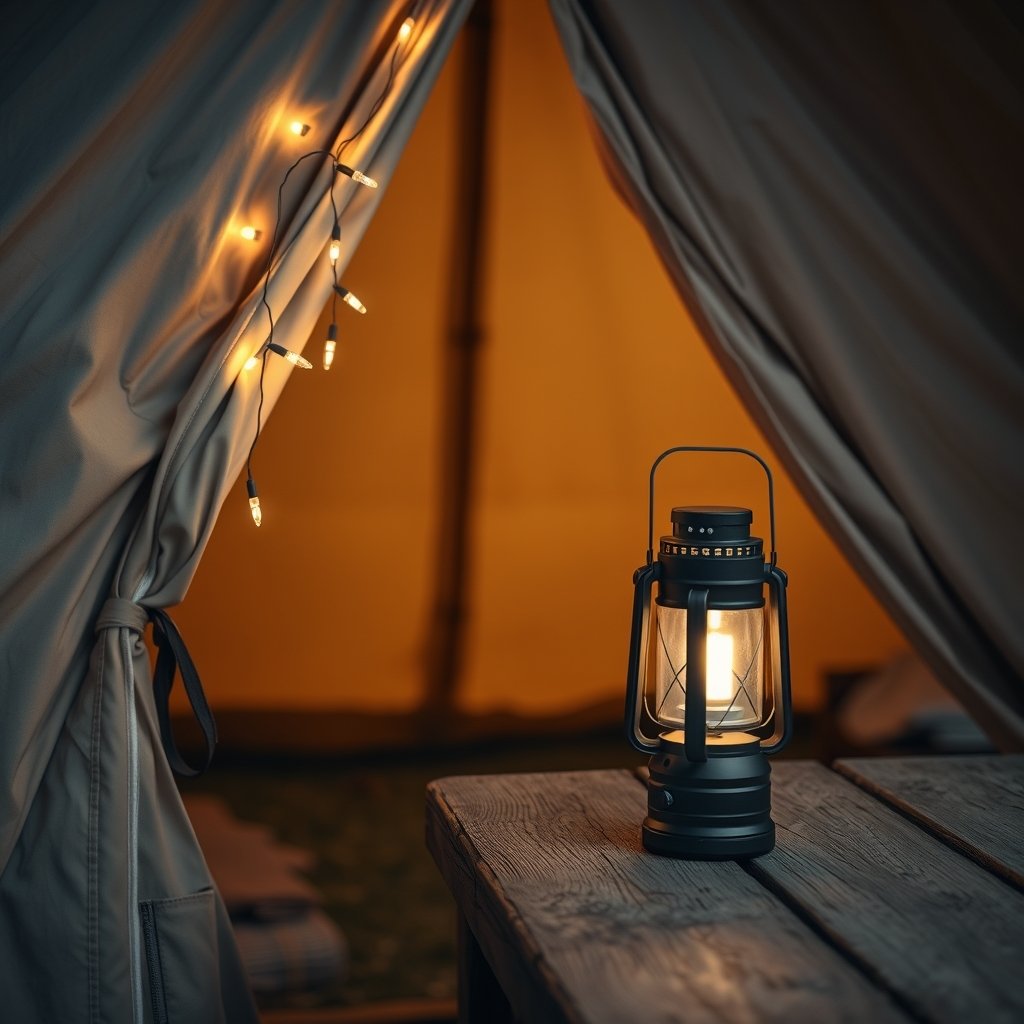
- Hang lanterns or string lights off tent poles, trees, or between camp chairs for best effect.
- Use color settings for different moods: cozy amber for evenings, red for night vision, white for cooking and games.
- Minimize harsh direct beams—bounce light off a tarp or tent ceiling for a softer glow.
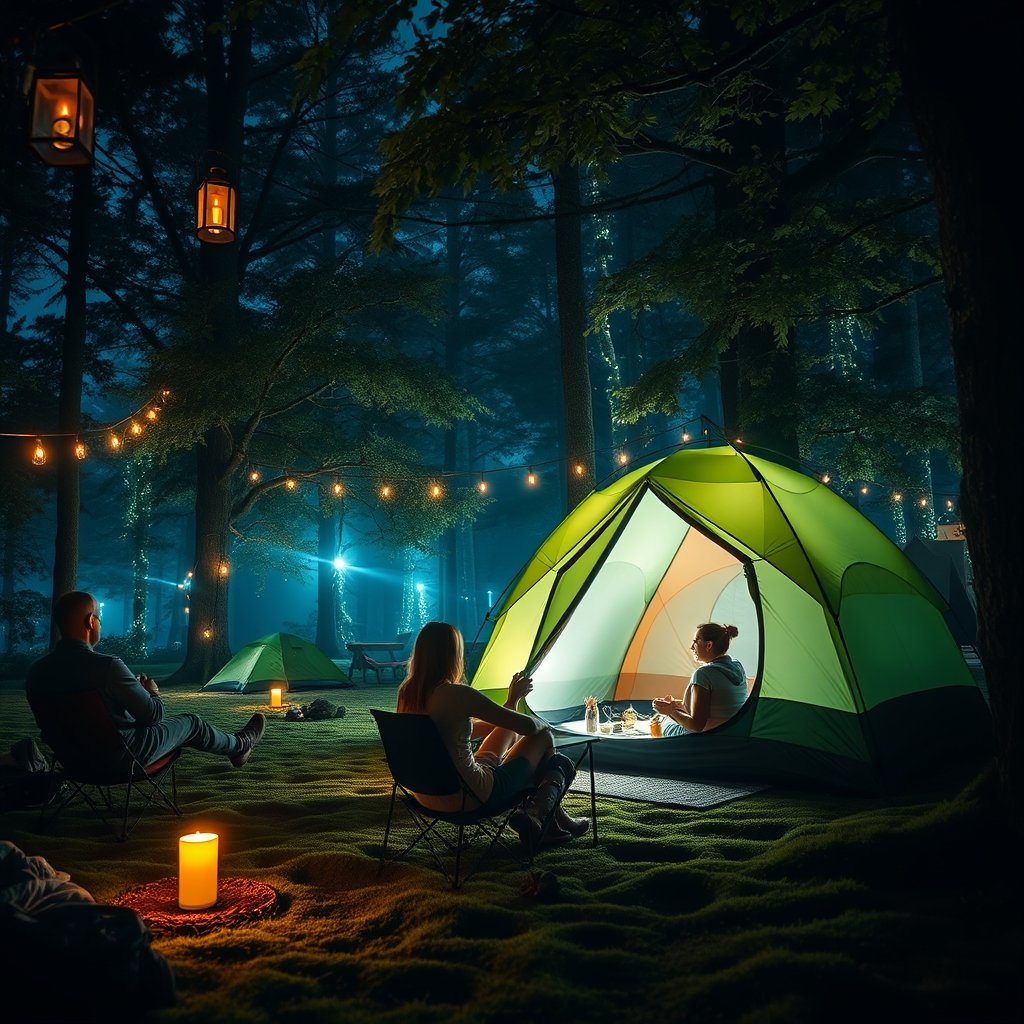
- Layer multiple light sources for comfort and visibility; glamping setups often use three or more types at once. For more upgrade ideas, check out our proven cozy camping gear guide.
Try multi-functional lanterns as backup power banks or even mosquito repellers to keep your setup minimalist and efficient. Want to stay warm and organized on car trips? See our expert car camping checklist.
Advanced Analysis & Common Pitfalls
The cozy camping light market has grown fast, but not every product delivers in real conditions. Here’s what 2024 research and expert tests reveal about issues buyers face and what to demand from your next light purchase.
Common Mistakes and Problems:
- Battery Drain in Cold Weather: Rechargeable lanterns often lose up to 50% run time below 32°F. Many buyers expect all-night lighting, not realizing cold limits battery chemistry.
- Inflated Weatherproof Claims: “Weather resistant” does not always mean waterproof. Actual IP (Ingress Protection) ratings are rarely disclosed. Seek concrete numbers (IPX4 minimum for rain).
- Glare and Harsh Color: Cheap LEDs create blue-toned, harsh lighting that kills the mood. Lack of color temperature controls or flicker modes is a big downside in budget products.
- Poor Durability: Lightweight models sometimes use thin plastics, easily cracked if dropped or exposed to freezing temps.
- Complicated Controls: Multi-mode lanterns with cryptic or single-button interfaces can be frustrating—especially in the dark or with cold fingers.
If you want to avoid unnecessary spending, read this list of the 22 best camping hacks for practical nighttime solutions.
| Model | Light Output | Power Source | Weatherproof Rating | Special Features | Price Range ($-$$$) |
|---|---|---|---|---|---|
| BioLite AlpenGlow 500 | 500 lumens | Warm, cool, candle flicker | Rechargeable USB | IPX4 | Color modes, 360° beam, compact | $$ |
| Nitecore LR40 | 100-250 lumens | Multiple colors | Rechargeable lithium-ion | Weather resistant (IP unspecified) | Power bank, red light | $$ |
| Goal Zero Lighthouse Mini Core | 210 lumens | Dimmable | Rechargeable USB | IPX4 | Collapsible legs, handle | $ |
| Black Diamond Moji R+ | 150 lumens | Multi-color | Rechargeable USB | IPX4 | Color modes, compact | $$ |
| Klarus CL2 | 750 lumens | White, red, candle flicker | Rechargeable USB | IPX5 | Lantern/floodlight hybrid | $ |
| Coleman Dual-Fuel Lantern | 700 lumens | Warm yellow | Gasoline/Propane | Weather resistant (no IP) | Classic design, high output, adjustable | $$$ |
String lights often lack any listed IP rating; bring backup plans for wet weather. Meanwhile, many products still lack certifications like UL or third-party drop testing. For extra peace of mind, focus on brand reputation and in-depth reviews, as few lights published in 2024 actually list full test data (source).
Want a proven strategy to stay warm and safe? Check our cozy camping checklist for the seven best ways to prepare for unpredictable conditions.
Conclusion
To recap: the best cozy camping lights combine modern tech, thoughtful color modes, and real-world durability for comfort well beyond simple visibility. Choose models with warm LEDs, verified weatherproofing, and features suited to your camp type and group size. Always plan for cold temperatures and unknown weather, and consider versatile options that double as power banks. Ready to find best cozy camping lights for your next outdoor escape? Invest in quality, test your setup before every trip, and don’t forget to personalize your lighting style for maximum camp comfort.
If you’re planning your first adventure or need night-time essentials, use our first camping trip tips and start enjoying your coziest nights under the stars.
FAQ
What color temperature is best for cozy camp lighting?
Lights with a warm color temperature (2700K to 3000K) provide the most relaxing and inviting glow for campsites. Look for LEDs offering amber or candlelight options.
Are rechargeable or battery-powered lanterns best in cold weather?
Standard lithium-ion batteries lose efficiency in cold. Bring a backup battery set, and keep lanterns inside your sleeping bag overnight to preserve power.
How do I avoid blinding glare from camping lights?
Choose lanterns with adjustable brightness, diffusers, or indirect lighting modes. String lights and candle-flicker modes also help reduce harshness for a cozier effect.
What waterproof rating should I look for?
IPX4 is a minimum for light rain or campsite spills. For heavy storms or water-prone locations, IPX5 or higher is preferable. Always verify manufacturer claims before heading out.
Can I use these lights indoors or in tents?
Yes, most modern cozy camping lights are safe for indoor or tent use—just avoid open flame types. LEDs and battery-operated models are best for enclosed spaces.