


Camping checklist for beginners articles often skip what keeps a first camping trip comfortable, easy, and free of rookie regrets. If you want your first night outside to be cozy—not cold, wet, or sleepless—this is the plain-speaking, field-tested guide you need.
Key Takeaways
- Most first-timers overpack, bring untested or uncomfortable gear, and underestimate comfort needs—fix that with a “cozy-first” beginner camping checklist anchored in essentials, not wish lists.
- Car or RV camping comfort is driven by the right shelter, pads, lighting, and tested setups. Practice at home and prioritize what delivers sleep quality and shelter from weather first.
- Some top lists miss layering, usable tent lighting, and ergonomic sleep gear—from insulated pads to proper pillows. Add these for a genuinely restful, stress-free first trip.
- Why beginners feel uncomfortable on their first trip
- How a targeted packing list fixes the top beginner problems
- Gear specs beginners misunderstand and how they should drive packing choices
- Comfort-gear advances that should change a beginner checklist (and what the research misses)
- Real-world cost breakdown — essentials vs optional splurges, buy vs rent
- Where top-ranking checklists fail cozy-first beginners (three specific blind spots)
- Optimal packing and setup strategy to maximize comfort and minimize time
- Items beginners always overpack or underuse — what to leave behind
- Pre-trip testing checklist — what to test and when
- FAQ
Why beginners feel uncomfortable on their first trip
Most first-time campers expect fun and relaxation, but discomfort creeps in for predictable, preventable reasons. Research finds the top culprits are:
- Overpacking: Lugging unnecessary gear saps energy and clutters your space, often called “Kitchen Sink Syndrome” (source).
- Untested or faulty gear: Nothing ruins a night faster than a leaky tent or a stove that won’t light. Beginners often skip home testing.
- Wrong shelter or sleep setup: Tents that are too small, drafty sleeping bags, or cold pads undermine comfort—especially in unpredictable weather.
- Weather surprises: Many plan optimistically, underpacking for rain or cool nights, then lose sleep or fun to damp misery.
- Setup issues in the dark: Arriving late or not knowing how to pitch your tent equals stress and rushed mistakes after sunset.
- Wildlife & etiquette surprises: Poor food storage invites critters; unfamiliarity with campground etiquette can startle newbies.
Each might look minor alone, but together they explain most “never camping again” reviews from rookies. The solution? A purposeful packing and prep approach that anticipates and eliminates these exact trip-killers.
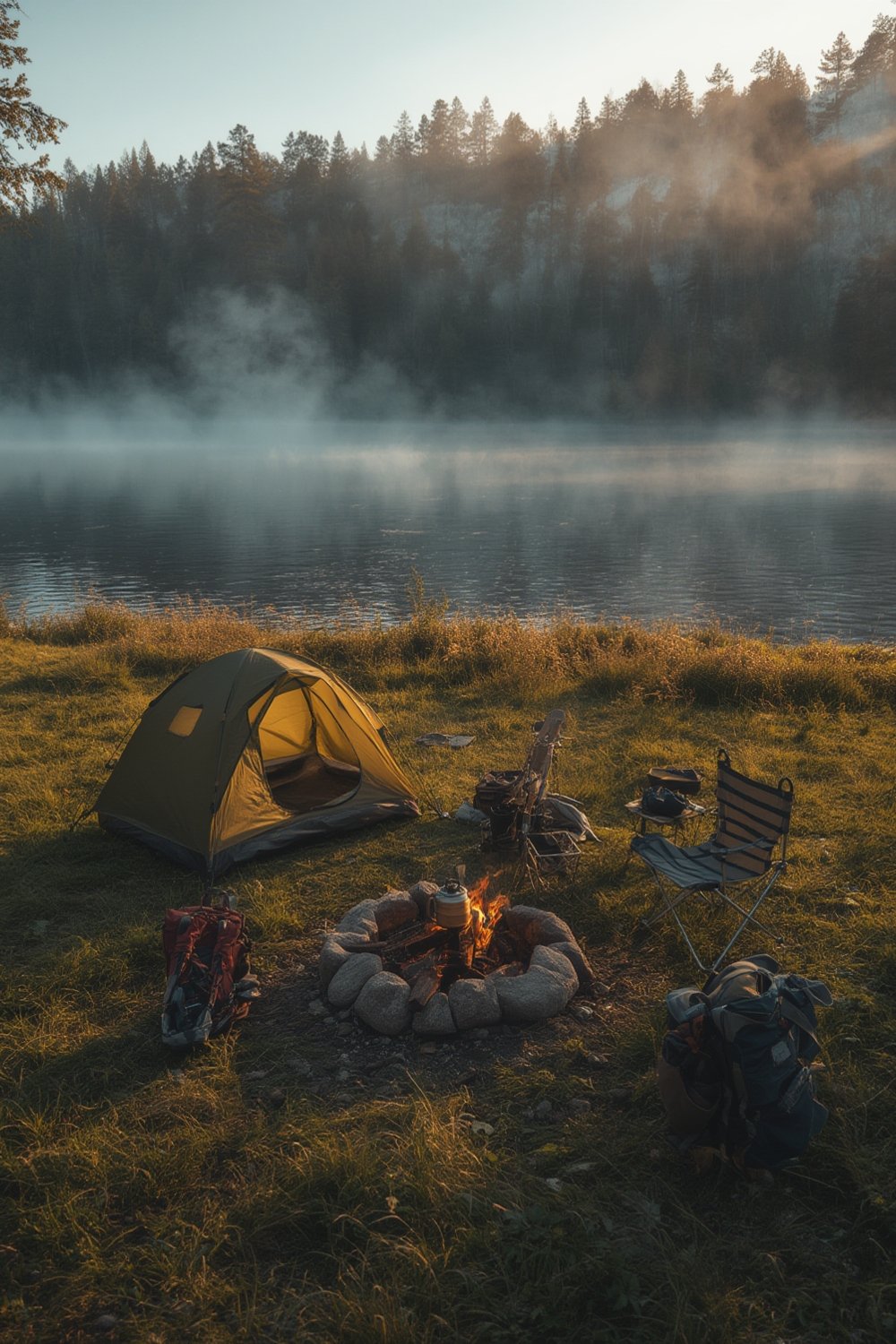
How a targeted packing list fixes the top beginner problems
The right beginner camping checklist does more than just prevent gear forgetfulness. It directly solves comfort-blockers experienced by real new campers.
- Limit to true essentials: Categorize and cap what goes—shelter, sleep, weather protection, and simple cook/eat kits—leave “maybe I’ll use this” items out.
- Backups that matter: Add a multi-tool, lighter, and extra batteries—not two of everything else.
- Shelter right-sizing: For car/RV camping, bring a tent rated for at least one person more than will use it. Look for at least a 1500mm HH waterproof rating unless it’s desert-dry.
- Layered clothing and rain gear: Write “base-mid-shell” layers for each person, plus explicit rain jackets and footwear, on every packing list.
- Lighting for setup: Headlamp plus lantern always; put these right on top of your pack for night arrivals.
- Food and wildlife safety: Include a dedicated, sealable food storage bag or bin, and an etiquette checklist if you’re unsure about campground rules.
- Practice, not just pack: Use your checklist as a rehearsal tool—set up your tent, start your stove, and test your pad at home before packing away.
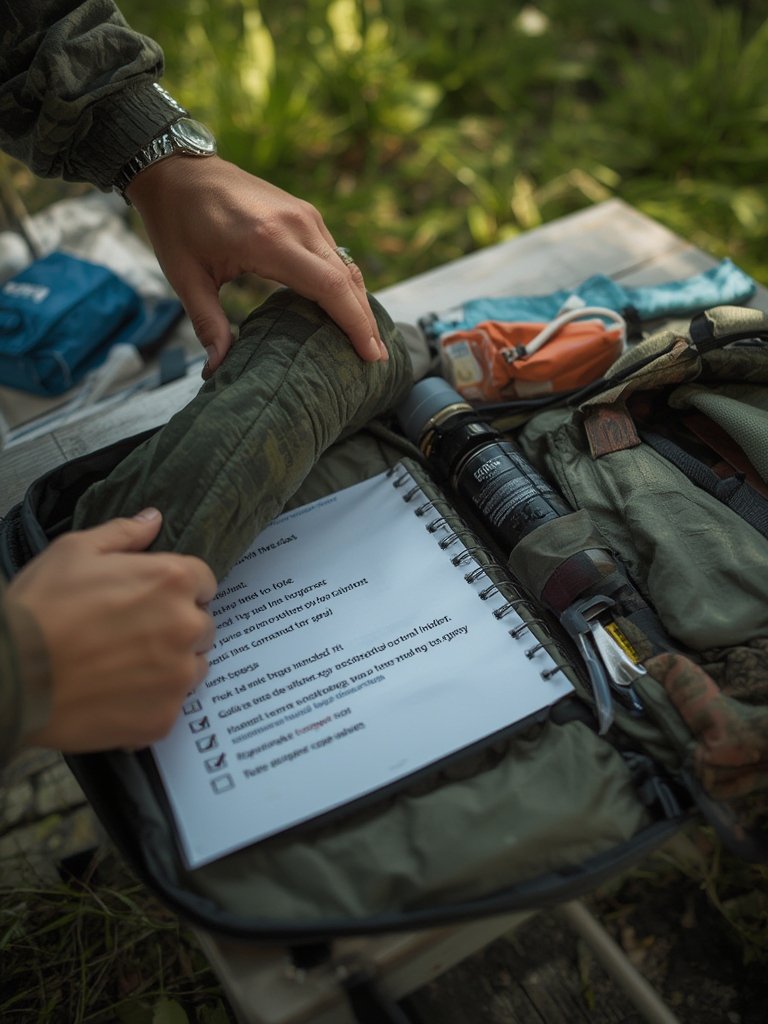
Test all gear at home, then check them off your packing list as you repack. You’ll spot what’s missing—and what you’d never actually use on a two-night trip.
Compare this approach to most generic lists and you’ll see how an essentials-only, “tested and reachable” strategy directly prevents the most common comfort failures. For further details, see these cozy camping checklist tips.
Gear specs beginners misunderstand and how they should drive packing choices
Even the best packing list won’t help if you misread your gear’s real capabilities. For a safe, warm, and dry first camping trip checklist, watch out for these common spec traps:
- Sleeping bag temperature ratings: The quoted rating is usually the survival, not comfort, temp. For car or RV camping, aim for a bag rated 10°F (5°C) lower than the expected coldest night—use 35°F (1.5°C) as a safe minimum for spring/fall.
- Tent waterproofing (hydrostatic head/HH): Ignore light “water resistant” claims. For real rain, you want at least HH 1200mm minimum; 2000mm on floor preferred. Seam-taped is ideal. If renting or borrowing, ask for these details.
- Pad/mattress warmth (R-value): R-value below 2 is fine for warm summer; 3-4 is cozier for shoulder season. This matters more than extra blankets. Don’t assume a cheap air mattress will keep you warm unless it says “insulated.”
- Weight/load estimates: For car/RV camping, you have leeway—but don’t let comfort gear grow unmanageable. Know your vehicle and room, but don’t bring extra “heavy luxuries” that you won’t use.
| Gear Type | Common Misreading | Safer Rule for Beginners | Real Example |
|---|---|---|---|
| Sleeping Bag Temp | Choose bag with rating matching night temp | Pick a bag rated 10°F below the expected low | Forecast low: 45°F → bring 35°F rated bag |
| Tent Waterproof | Assuming all tents keep rain out | HH 1200mm minimum; 2000mm on floor preferred | Bring rain fly, check all seams |
| Pad/Mattress Insulation | Forget about R-value; bring extra blankets | R 3+ for any risk of cool nights | Inflatable mattress? Add cheap foam pad for warmth |
Understanding specs stops buyers’ regret, makes rental smarter, and
lets you sleep well even in bad weather. For a deep dive into sleep comfort, see these minimal cozy camping guidelines.
Comfort-gear advances that should change a beginner checklist (and what the research misses)
In the last 3 years, comfort-focused camping gear has changed the game for beginners, but most checklists haven’t caught up. Here’s what’s new and actually worth finding or renting:
- Insulated sleeping pads: Older lists suggest “foam or air pad.” Today, integrated or self-inflating pads with R3–R6 insulation offer a huge warmth jump and pack smaller.
- Inflatable pillows and insulated air mattresses: Upgrading from balled-up hoodies or uninsulated air beds to purpose-built travel pillows and insulated mats means real sleep comfort even for side sleepers.
- Brighter, warmer lighting: LED string lights or high-lumen compact lanterns transform tent ambiance and make night setup easy. Headlamps now last longer with rechargeables, eliminating battery anxiety.
- Compact, ergonomic furniture: Modern folding chairs with lumbar support, cots that pack nearly as small as a yoga mat, and table sets that ride in any trunk—these let you eat, relax, or change without crouching in dirt.
None of these are “required,” but prioritizing even one or two dramatically boosts real-world comfort. Swap out bulky, heavy, or “old-school” essentials with these for the same weight but more livability.
Most top generic lists still recommend the bare basics. Cozy-first experts agree: new gear means better sleep and higher likelihood you’ll camp again. For more on upgrading your setup, explore this cozy camping night setup guide and best camping hacks.
Real-world cost breakdown — essentials vs optional splurges, buy vs rent
Most publicly available beginner camping checklist guides skip realistic budgets. Here’s a quick breakdown for a weekend trip with comfort-first in mind:
| Category | Essential (Buy) | Comfort Upgrade (Buy or Rent) | Splurge (Buy or Rent) |
|---|---|---|---|
| Tent/Shelter | $60–$120 (basic 2-4P tent) | +$40–$100 (roomier/faster-pitch) | $100+ (premium, ultra-easy tents or small camper rent) |
| Sleeping Pad | $25–$50 (simple closed-cell foam) | +$30–$80 (insulated self-inflating) | $120+ (luxury camp mattress, cot combo) |
| Sleeping Bag | $40–$80 (synthetic 35-40°F bag) | +$50–$90 (down or roomy bag) | $150+ (high-end or double-wide for couples) |
| Chair/Table | $15–$25 (basic camp chair) | +$30–$80 (ergonomic, lumbar, or compact table) | $100+ (multi-seat/folding set or padded luxury) |
| Lighting | $8–$20 (basic lantern/headlamp) | +$15–$35 (LED string, color temp controls) | $50+ (integrated solar kits) |
| Cooking Set | $30–$60 (stove, pots, utensils) | +$40–$100 (integrated or gourmet setup) | $100+ (tabletop grills or kitchen sets) |
Buy if: You plan to camp 2+ times/year or value immediate access.
Rent if: You want to try high-end, high-comfort options, or only camp rarely. Many outdoor stores rent insulated pads, large tents, and premium bags for $10–$35/trip.
For details on sleep quality upgrades, see these cozy camping checklist resources.
Where top-ranking checklists fail cozy-first beginners (three specific blind spots)
- Temperature layering: Most lists just say “bring warm clothes.” For cozy nights, have a full layering system: base (wool/synthetic), mid (fleece), and shell (wind/rain). Write out exactly which piece each person brings per night.
- Tent lighting for ambiance and visibility: One dull lantern isn’t enough. Use soft LED strips or a warm-colored lantern for ambiance plus a bright headlamp for tasks. Place lights above and at corners in your shelter.
- Ergonomic sleep aids: Don’t settle for rolled-up jackets. Modern camp pillows, or at minimum, contoured foam or inflatable types, radically improve sleep. If side-sleeping or joint pain is an issue, bring a compact cot or double-pad.
Adding just these three elements can make tent or small RV camping feel nearly as restful as home. For more, see minimal cozy camping sleeping hacks.
Optimal packing and setup strategy to maximize comfort and minimize time
Seasoned campers follow a pack and setup routine that avoids chaos and bad setups:
- Start with your checklist: Print or digital, check off each item as it’s tested and packed.
- Heavy stuff low and centered: Put the tent, pads, and water jugs at the vehicle floor/center to avoid tipping and keep items accessible.
- First-night must-haves on top: Tent, headlamp, rain jackets, and sleep kits ride atop everything else. You should reach these immediately, even if you pull in after dark.
- Food and coffee easy-reach: Quick meals or snacks go in a side pocket or right by the trunk/hatch—not under your bags or bulky gear.
- Setup order: Arrive, level/park, set up the shelter and sleeping system first, then get lighting and food on deck. Drape rain fly or tarp if rain threatens before anything else.
This method turns a 45 or 60-minute campsite setup into a stress-free, 20-minute routine. For more game-changing tricks, see these comfort-first checklist routines.
Items beginners always overpack or underuse — what to leave behind
“Just-in-case” thinking creates most overpacked car trunks and RVs. The regret list:
- Too much food and water: Plan meals exactly—even breakfast and snacks—then add just one “bonus” energy bar per person.
- Big coolers or multiple coolers: For short trips, one small cooler per car usually suffices. Freeze water bottles to double as ice packs and drinking water.
- Long extension cords and hoses: Unless you know your site type, leave bulky cords/hoses at home—they’re almost never used on short car-camping trips.
- Multiple cooking gadgets: Bring one reliable two-burner stove, plus one lighter and pot per two people. Skip the extra sandwich presses, complicated percolators, or gourmet gear if new.
- Stacked “comfort luxuries”: Double chairs, several lamps, and instrument sets rarely get unpacked. Pick one per group; rotate nightly if desired.
Instead, focus on multi-use items: a sleeping pad as picnic seat, a rain shell as windbreaker, and your eating bowl as mug. If unsure, rent gear you want to “try” before overcommitting.
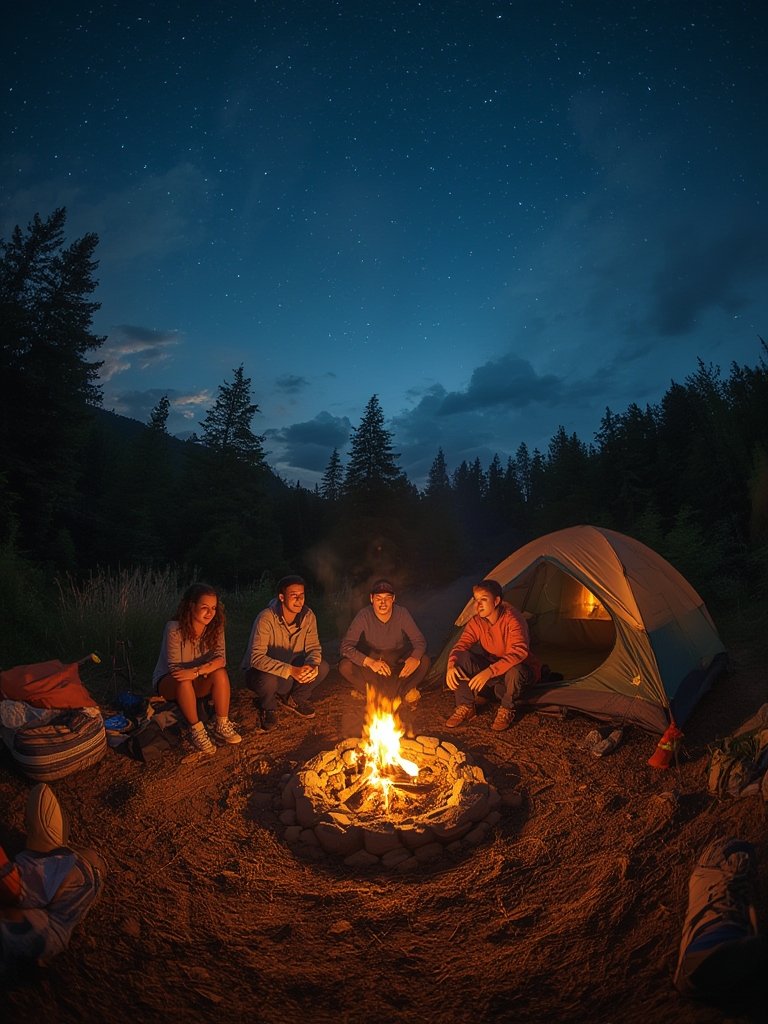
Pre-trip testing checklist — what to test and when
Most comfort headaches pop up because something’s never been tried until too late. Use this stepwise gear test timeline:
- 1–2 weeks before: Set up your tent (stakes, zippers, rain fly, seams). Inflate sleeping pads and check for leaks. Fire up your stove and lantern. Plug in and charge all lighting.
- 48–24 hours before: Double-check tent/gear for missing straps, cracked poles, or battery issues. Prep your first-night clothing and food for easy reach.
- The night before: Pack car/RV with essential first-night items last-in, first-out. Do a final battery check and prefill water bottles if needed.
- If using an RV: Confirm electrical connections, water tanks (don’t fill to top for short trips), and test hookups at home if you can.
Walking through this checklist will flag 90% of preventable first-trip surprises. For even simpler guidance, see this pre-trip comfort checklist.
Conclusion
First-time camping comfort isn’t luck—it’s smart, honest preparation. A focused camping checklist for beginners means tweaking generic advice for sleep, weather, and setup reality. Buy or borrow only what you need, test it, and pack in order of real-world use. Done right, your first camp shouldn’t feel like “roughing it”—and it just might hook you for life. Ready to make your first time out genuinely cozy? Download or print your own customized checklist, and start prepping today!
FAQ
What is the single most important comfort item all beginners should bring?
An insulated sleeping pad with at least an R-value of 3—most discomfort comes from cold ground, not the air above you.
Is it worth renting high-end gear for a first camping trip?
Yes, especially sleeping pads or roomy tents. Rental lets you try comfort gear for $10–$40 that would cost $200+ to buy, with no storage or maintenance woes later.
How can I avoid overpacking for my first camping trip?
Use a beginner camping checklist that limits each category to 1–2 items (e.g., one pot/pan, one lantern). Lay out gear before packing, then remove anything you’re unsure you’ll really use.
Do I really need special lighting for the tent, or is a regular flashlight enough?
For comfort and relaxing nights, bring a dedicated lantern or LED string plus a headlamp. Tiny flashlights are too dim or harsh for longer use in a tent.
What common mistakes ruin a beginner’s camping sleep?
Underestimating cold (especially from the ground), bringing an untested or uncomfortable pad, and poor lighting that makes late setup a hassle. Solve all of these with the right gear and setup practice at home.