


Camping mistakes beginners make can turn a cozy night in nature into an uncomfortable ordeal. If you’ve ever shivered through a damp night or woke up with a sore back, you’re not alone. Many first-time campers repeat the same avoidable comfort errors, leaving them cold, frustrated, or wide awake at 3 a.m. This guide breaks down what really causes lousy nights outdoors—and shows you how to fix it, without breaking the bank or needing specialist knowledge.
Key Takeaways
- Not testing gear and misunderstanding sleep system specs are the top comfort killers for novice campers.
- Beginners often overpack or bring mis-rated bags and pads, making for cold or restless nights.
- Many common camping mistakes guides overlook crucial comfort tips like tent condensation, weight limits, and the impact of site selection.
- Most frequent comfort-related mistakes beginners make
- Sleep systems that actually fix poor nights—pads and sleeping bags (practical specs)
- Tent choice, ventilation, and condensation—comfort factors novices miss
- Real costs, setup times, and recurring expenses—what research does and does not show
- Packing and weight mistakes that harm comfort—practical limits and checklists
- Commonly glossed-over comfort topics in top “common camping mistakes” articles
- Unexpected real-life problems beginners encounter and how they affect comfort
- How beginner-focused comfort gear performs in real conditions—known limitations of current advice
- Research gaps and a short “data-to-collect” checklist for future reporting
- FAQ
Most frequent comfort-related mistakes beginners make
When it comes to common camping mistakes, lack of comfort is the number one complaint from first-timers. New campers often:
- Fail to test their gear at home, so they only discover issues at the campsite – when it’s too late to fix them (source).
- Overpack unnecessary gear, making camp setup long and tiring (source).
- Misunderstand sleeping bag temperature ratings, leading to cold, sleepless nights (source).
- Bring sleeping pads with low R-values that can’t block cold from the ground (source).
All these beginner camping errors have one thing in common: they degrade your ability to stay warm, dry, and get solid rest. The real pain point? Most “what to bring” guides don’t bridge the gap between expert knowledge and affordable, realistic comfort solutions for new campers.

Sleep systems that actually fix poor nights—pads and sleeping bags (practical specs)
Your sleep system is the biggest factor in night-time comfort. Here’s what most entry-level guides miss, plus clear numbers you can actually shop for:
- Sleeping pads: R-value matters — For three-season tent camping, pick a pad with a minimum R-value of 4. Lower R-values will let cold seep up from the ground, even if your sleeping bag is warm. (source)
- Sleeping bags: Watch the comfort rating — Ignore “lower limit” or “extreme” ratings. Choose a bag with a comfort rating at least 3°F colder than the coldest temperature you expect (e.g., 37°F bag for 40°F nights). (source)
- Simple checklist to avoid freezing:
- Use your gear at home: Spend one night in your bag and pad, on the floor or deck, before going camping.
- Bring a fleece liner or emergency blanket as a backup.
- If unsure, double up old foam pads beneath your main inflatable pad.
Need more sleep system advice? See this guide to minimal cozy camping for strategies that don’t require expensive upgrades.
For a full checklist, explore this camping checklist for beginners and shop to those spec targets.
Tent choice, ventilation, and condensation—comfort factors novices miss
Even with a cozy bag and pad, poor tent setup can lead to cold drafts, stuffiness, or damp bedding. The most overlooked causes?
- Ventilation control: Modern tents need internal air circulation to prevent condensation buildup. Open vents and leave part of the rainfly or window open unless it’s raining sideways.
- Site selection: Avoid pitching in valleys or depressions, which channel cold air and moisture overnight.
- Pitch technique: Taut rainfly and guylines help keep water and drafts out, and minimize noisy flapping in wind.
Most existing common camping mistakes checklists skip over tent condensation entirely, even though waking up to wet walls and a soggy sleeping bag is a leading real-world complaint (and a quick way to lose comfort, warmth, and sleep quality). For more on cozy setups, see the cozy camping night setup guide.
Before you unpack, run this quick comfort check:
- Push lightly on the tent ceiling—if drops form or walls feel damp, add more ventilation fast.
- Feel for cold air leaks near the floor—seal gaps with extra gear or clothing.
- Store gear and clothes off the ground to avoid dampness from seeping soil.
Condensation, draft control and site microclimates are vastly under-discussed in most beginner guides—a real gap that costs campers comfort and good sleep.
Real costs, setup times, and recurring expenses—what research does and does not show
Budget-minded campers often discover too late that camping is not always as cheap or as “grab-and-go” as it seems. The actual costs break down into:
- Upfront gear: Inexpensive tents ($60–$100), pads ($30–$80), and entry-level bags ($45–$90) exist, but you may swap gear more often for comfort than durability.
- Recurring expenses most guides skip:
- Stove fuel and firewood (can add $8–$20 per weekend trip)
- Replacement stakes and guylines (cheap, but easy to lose/damage)
- waterproofing spray for tent and rain gear (expect $8–$15 per application, once per season)
- Headlamps and batteries
Setup times are rarely discussed with real numbers—budget tents may take 15–30 minutes for first-timers, twice as long as claimed, especially if you’re untangling new gear on-site. The real camping problems arise when untested setups rob time and energy from your evening.
No search results provide side-by-side price comparisons between big box stores and specialty brands, nor do they offer actual expense logs over the first season of camping. Expect to research piecemeal, and err on the side of bringing a little extra comfort gear if you’re unsure.
For streamlined packing and cost-reduction strategies, view this concise cozy camping checklist.
Packing and weight mistakes that harm comfort—practical limits and checklists
One of the biggest beginner camping errors is either overpacking (lugging too much, making setup exhausting) or underpacking and missing essentials for warmth or comfort. Car and RV campers have more flexibility but still risk:
- Stuffing bags with “just in case” gear: Clutter slows down your setup and teardown, steals space in your vehicle, and can lead to tiredness before you’re even ready to enjoy camp.
- Forgetting must-haves: Pillow, sleep socks, backup warmth layers—they’re often omitted in light packing lists, yet make a major difference for a cozy night.
Here’s a realistic packing list for warmth-focused comfort:
- Sleeping pad (R-value 4+)
- Sleeping bag (comfort rating 3°F less than expected low)
- Pillow (camp or regular)
- Sheet or bag liner
- Warm hat and socks for sleeping
- Spare “camp clothes” (dry, non-cotton for night use only)
If you plan to carry gear to your site, keep the total weight under 15–20% of your body weight (source). For most people, that’s 20–35 lbs including food and water for an overnight trip. For more weight-saving comfort strategies with packing, this car camping checklist shows exactly what to prioritize for sleep.
Remember: the most direct path to a cozy camp is focus—not bulk. Prioritize sleep, shelter, simple food, and a real backup warmth plan every time.
Commonly glossed-over comfort topics in top “common camping mistakes” articles
Most “common camping mistakes” guides miss or rush through some key comfort questions. Here’s what you won’t often see, and why these matter:
- Campsite microclimate selection: Beyond avoiding valleys, learn to spot tree cover, wind exposure, and sun angle. Shade can mean a damp, cold site; open spots may be windier but dry out faster in the morning.
- Realistic lighting setups for evenings: Using only a phone or headlamp can make for a harsh, dim experience. string lights or lanterns create a cozier atmosphere for winding down.
- Durability of entry-level gear: Many beginner options (foam pads, simple tents) work fine—once or twice. Expect more wear if you camp regularly.
- No systematic review of which tips actually impact comfort: Most search results share “tips” without testing or explaining their true comfort return; you get lists, not evidence.
Want a checklist that keeps comfort mistakes in check? Try the beginner camping tips focused specifically on warmth and sleep quality.
Unexpected real-life problems beginners encounter and how they affect comfort
The outdoors is unpredictable. These are real-life issues—rarely addressed in “common camping mistakes” lists—that make or break beginner comfort:
- Site flooding: Sudden rain can pool under low-pitched tents. Even if your tent is waterproof, water coming from below will dampen your sleeping system and clothing.
- Critter-proofing food: Racoons, chipmunks, and insects are experts at finding unprotected snacks. Losing your breakfast or cleaning up a mess at midnight is never comfortable.
- Tent condensation: Can soak walls and gear even without a drop of rain, making “dry” nights uncomfortably clammy.
- Sudden cold snaps: Even car-accessible state parks can drop 10°F below forecast lows overnight. Always bring a backup warm layer or blanket.
For every trip, run this quick comfort drill:
- Check for high ground before pitching.
- Keep all food sealed in coolers or camp-safe bins (or in the car if allowed).
- Prop tent vents open with a stick or shoe for better airflow, unless it’s storming.
- Pack a spare heat source, like a second blanket or chemical warmers, just in case.
Many campers wish they’d considered these “minor” issues when prepping for their first trip. For a brief, actionable list, see the first camping trip tips.
How beginner-focused comfort gear performs in real conditions—known limitations of current advice
There’s no shortage of “easy” beginner gear in stores, but performance can vary wildly:
- Low-end inflatable pads: May leak or flatten in cold weather, reducing real R-value. Always inflate and test overnight at home before your trip.
- Budget sleeping bags: Some overstate warmth. Synthetic insulation can clump over time, especially if packed while wet.
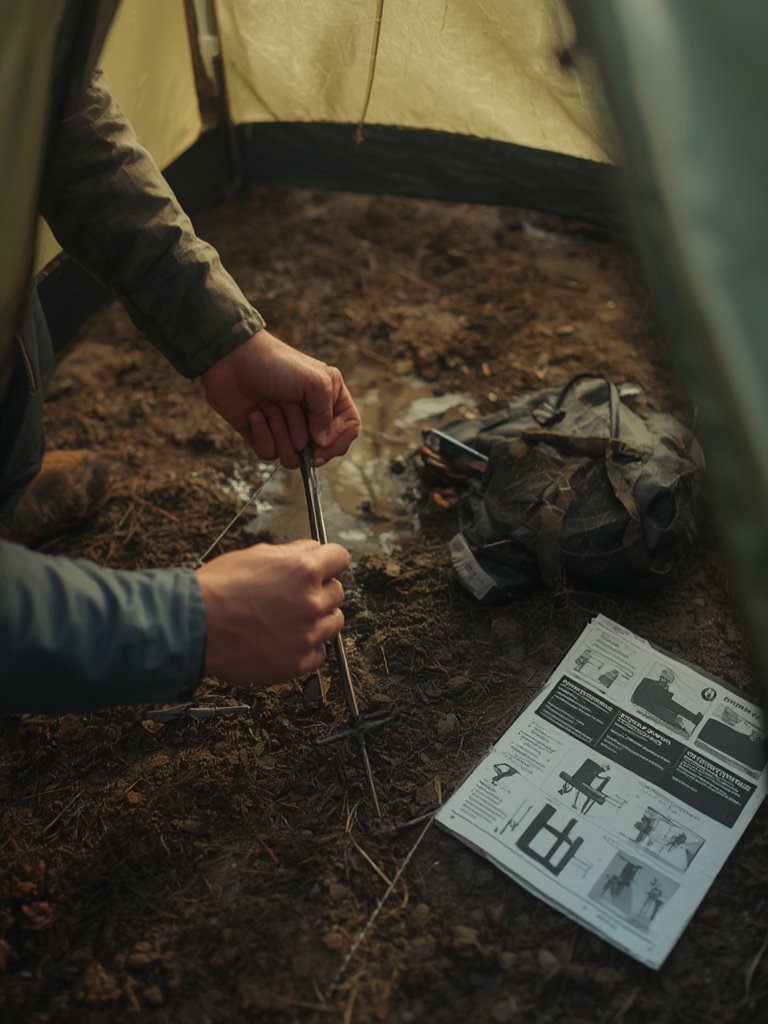
- Entry-level tents: Can be confusing to pitch, and instructions are often unclear. Practice setup at home, in daylight, before you go.
| Gear Item | Common Issue | Simple Reality Check |
|---|---|---|
| Foam Sleeping Pad | Low R-value (<4) | Double up if camping below 45°F |
| Cotton Sleeping Bag | Poor performance if damp | Only use in completely dry weather |
| No-name Tent | Rainfly leaks or weak floor | Spray with waterproofing before use |
| Headlamps | Short battery life | Bring extra batteries or a power bank |
Most sources do not supply any field-test comparisons under rain or wind, so when in doubt, “field test” your gear in your backyard before heading out. Sleep in your full setup and note what fails by 3 a.m. This simple pre-trip trial is the true comfort hack for beginners.
Research gaps and a short “data-to-collect” checklist for future reporting
Today’s advice on common camping mistakes only scratches the surface. Here’s what detailed research needs to address for comfort-first campers:
- Five-year trend analysis of review data and common complaints (how have mistakes changed?)
- Direct price comparisons: big box vs. specialty outdoor retailers for entry-level comfort gear
- Timed setup tests (actual minutes-to-camp measured by real beginners)
- Gear durability logs (does entry-level gear survive repeat use?)
- Incident tracking: Rates of tent condensation, site flooding, and critter encounters among new campers
Any future “beginner mistakes” guides should prioritize these missing data points to provide concrete, realistic recommendations that solve real-world comfort woes. Without them, advice will always be incomplete.
FAQ
What R-value sleeping pad do I need for beginner car camping?
For most comfort-focused beginners, choose a sleeping pad with an R-value of at least 4. This works for three-season overnight tent camping and prevents cold-from-below issues. Double up on pads if in doubt.
How do I know if my sleeping bag is warm enough?
Ignore the “limit” or “extreme” temp rating. Buy a bag with a comfort rating 3°F lower than the coldest night you expect. Always test your bag in your backyard or indoors before relying on it outdoors.
How much should my camping backpack weigh for one night?
Follow the 15–20% of your body weight guideline, including water and food. For example, if you weigh 180 lbs, try to keep your total load under 36 pounds for more enjoyment and less fatigue.
What should I do if my tent has condensation?
Open all available vents, even in light rain. Wipe down wet spots with a microfiber towel. If possible, keep wet gear and clothing outside the sleeping area to avoid adding more moisture.
Are cheap tents worth it for beginners?
Entry-level tents are fine for occasional car camping, but waterproof them before first use, and practice setup at home. Consider upgrading after a season if you camp more often or in harsh conditions.