


Cozy camping checklist success starts with packing essentials that guarantee real warmth and inviting comfort on your first car or RV camping adventure. Forget minimal gear lists—here is the practical, no-guesswork approach to a truly cozy campsite.
Key Takeaways
- Comfort-first camping is now the norm: prioritize thick sleeping pads, soft blankets, real pillows, and ambient lighting for proven warmth and coziness.
- Avoid rookie mistakes with an actionable cozy camping checklist—choose sleep gear rated colder than forecast lows and don’t skip comfort items like padded chairs or doormats.
- Start with high-impact upgrades (better pad, camp pillow, blanket) before spending on premium gear—affordable changes deliver the biggest comfort boost per dollar.
- Why “comfort‑first” camping is the new normal
- Step-by-step cozy camping checklist for beginners
- Advanced analysis: Common pitfalls, mistakes, and comparison guide
- Conclusion
- FAQs about cozy camping checklist
Why “comfort‑first” camping is the new normal
The days of packing only ultra-light “survival” kits are over—more first-time campers seek out comfortable camping essentials that feel like home. Leading camping gear guides from Good Housekeeping and others confirm this shift: in 2024 and beyond, cozy setups are the new standard. Think thick foam sleeping pads, plush camp blankets, dedicated pillows, and even ambient string lights.
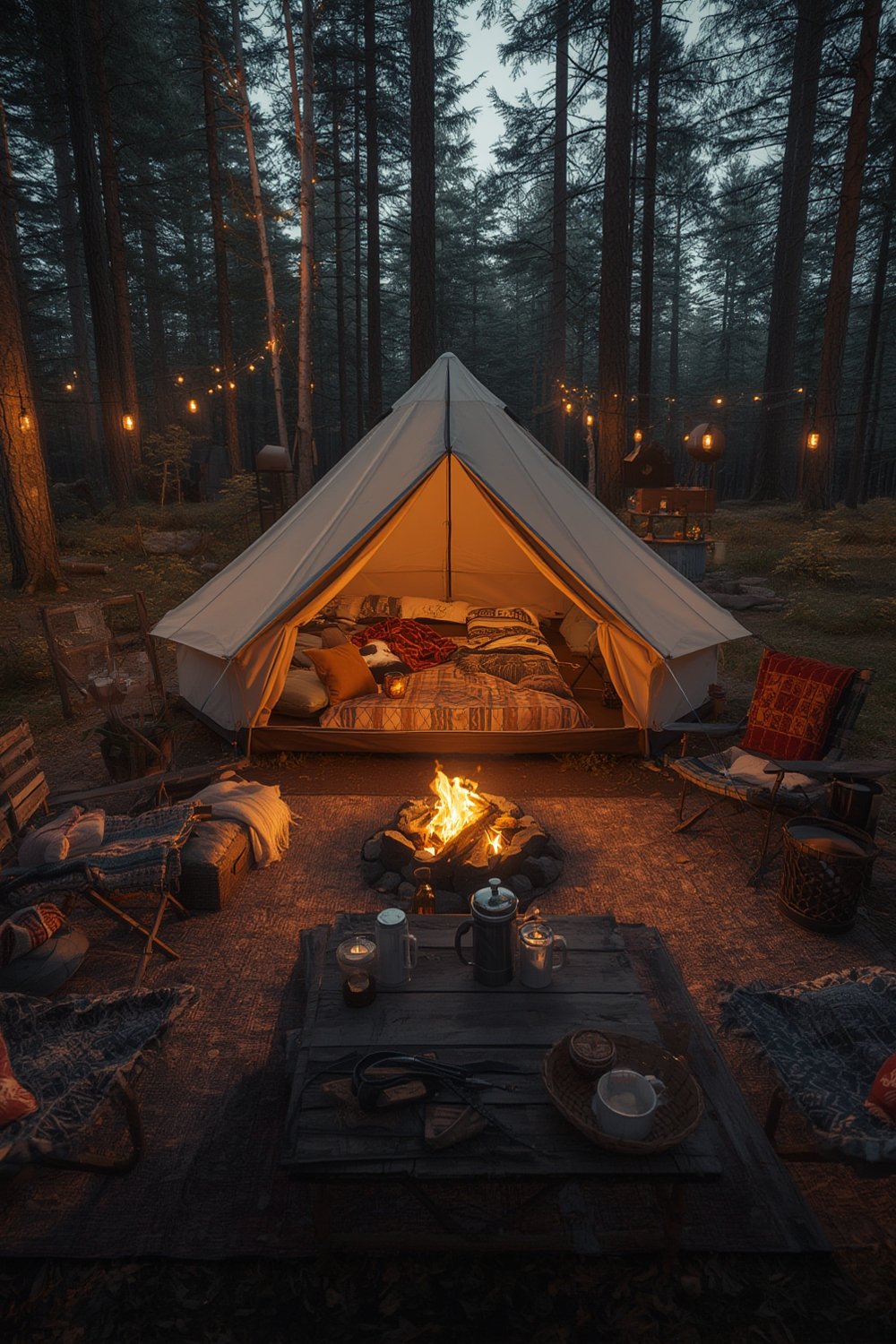
Packing for measurable comfort is no longer optional. Trend data show comfort upgrades like thicker sleeping pads, padded or reclining camp chairs, and warm blankets now top almost every “best camping gear” list (Field & Stream, Treeline Review). Value-wise, these items deliver the greatest gain per dollar for sleep quality and camp happiness.
If you’re new to car camping or RV trips and want cozy, reliable comfort without overpacking or wasting money, prioritize these items from the start. For detailed hacks, see our best camping hacks and compare minimalist comfort setups in our minimal cozy camping guide.
Step-by-step cozy camping checklist for beginners
Here’s your direct, ready-to-pack cozy camping packing list—skip the guessing, avoid rookie mistakes, and focus on what actually makes camp warm, restful, and inviting.
- Thick sleeping pad (3–4 inches, R-value ≥ 4–5 for cold nights). This alone can make the difference between miserable and blissful sleep.
- Synthetic or down sleeping bag (comfort-rated for 20–30°F, rectangular for car camping; mummy if cold is a major concern).
- Dedicated camp pillow—testers call this the single best “small comfort” upgrade.
- Plush camp blanket (synthetic, down, or wool-blend): For extra coverage, fireside warmth, or morning lounging.
- Padded camp chair (low or reclining best for comfort—don’t settle for a stool or benches).
- Ambient lighting: 1 headlamp per person, 1 soft LED lantern, plus USB string lights for atmosphere.
- Footprint/tarp for under the tent—eliminates cold floors and blocks ground dampness. Add a small doormat plus a microfiber towel near the entrance.
- Doormat + broom—keeps the inside dry and dirt-free.
- Down booties or insulated slippers for warm feet in and out of the tent.
- Earplugs and sleep mask—sleep soundly even next to busy sites or early sunrises.
- Power bank (recharge lanterns, fans, phones, or heated blankets as needed).
Pack these in this order for the fastest setup:
- Lay out tent footprint/tarp, then tent. Open vents for airflow.
- Unroll pad, then set up bag and blanket. Place pillow and slippers inside before dark.
- Arrange chair, lantern, and lights before nightfall. Make a “nightstand” with a small crate or bin.
- Organize shoes, doormat, and towel at the entrance to keep the tent clean and cozy.
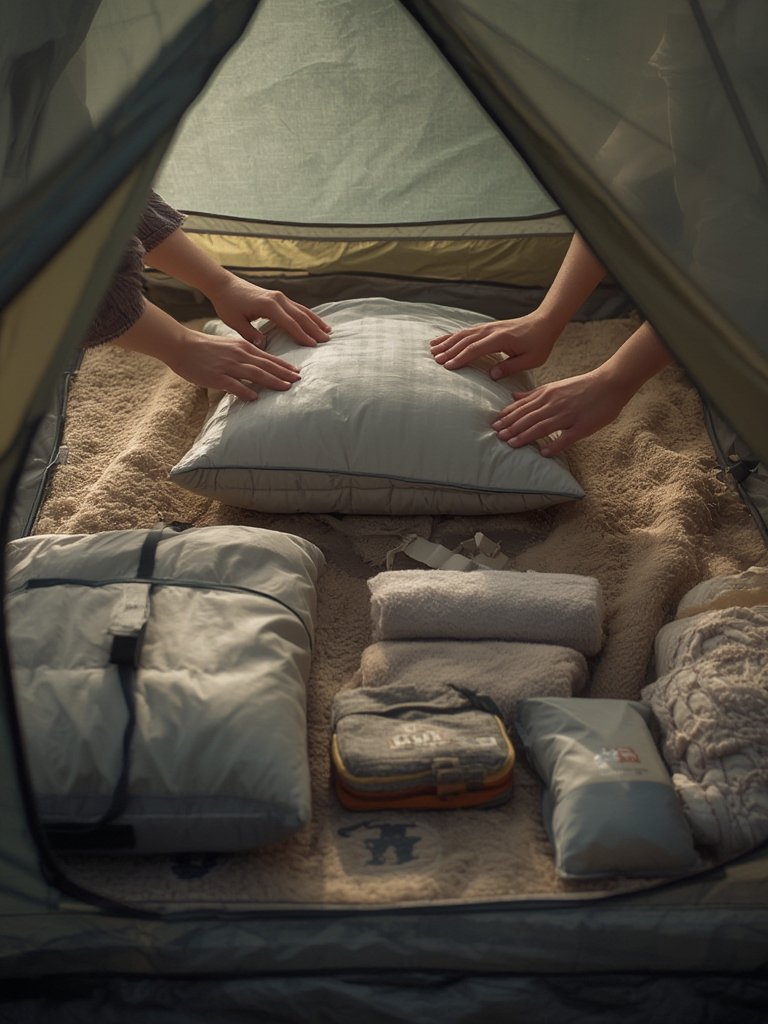
For more detail on sleep systems, see our camping checklist for beginners and explore real-world cozy nighttime setups in this cozy camping night setup guide.
Advanced analysis: Common pitfalls, mistakes, and comparison guide
Even easy cozy upgrades can go wrong if you miss key details. Here’s what beginners most often get wrong—and actionable comparison points so you can avoid wasted money or discomfort.
Top cozy camping pitfalls
- Bag/pad mismatch: A summer sleeping bag (often comfort-rated 40°F or warmer) used below 30°F will leave you freezing—even a thick pad can’t fully offset this.
- Underinsulated pads or air mattresses: Cheap air mattresses feel warm at first but quickly conduct cold from the ground, draining heat despite a good bag.
- No ambient lighting: Only having one flashlight or phone means your site will feel harsh, and moving around after dark is tedious.
- Skipping comfort items: Forgoing a real pillow, blanket, or chair saves little weight but dramatically impacts sleep, mood, and social time.
- Damp tent: No footprint or ignoring ventilation can leave bedding and clothes cold or even wet by morning.
Cozy camping sleep system comparison
| Sleep System | Warmth (approx.) | Packed Size | Weight | Cost (USD) | Best For |
|---|---|---|---|---|---|
| Synthetic 3-season bag + 4″ pad | 20–30°F | Medium-large | ~7–9 lb | $160–$280 | Best value/warmth for most beginners |
| Down bag + thinner pad | 15–30°F | Smaller | ~3–5 lb | $250–$500+ | Space/weight limited, but higher cost |
| Luxury air mattress + blanket | Varies (add insulation!) | Very large | 10–20+ lb | $100–$300 | Home-like feel, large tent/couple/family |
| Cot + thick pad | Flexible (depend on pad) | Medium-large | 10–18+ lb | $150–$400 | Maximum comfort, less portability |
Editors and expert campers agree: upgrading from a thin pad (or cheap air mattress) to a self-inflating or foam-topped pad is the single biggest comfort boost for your dollar. Adding a dedicated camp pillow and camp blanket comes next. For deeper insights, compare “car camping checklist comfort essentials” or our minimalist cozy gear guide linked above.
Budget-saving tips
- Skip the premium down bag up front—buy a solid synthetic bag (20–30°F) plus blanket, and invest in a better pad first.
- Look for used or off-brand padded chairs and LED lanterns—they deliver the same comfort value at half the price.
- Make sure all lighting uses the same type of USB or batteries to cut down on spares and confusion.
Conclusion
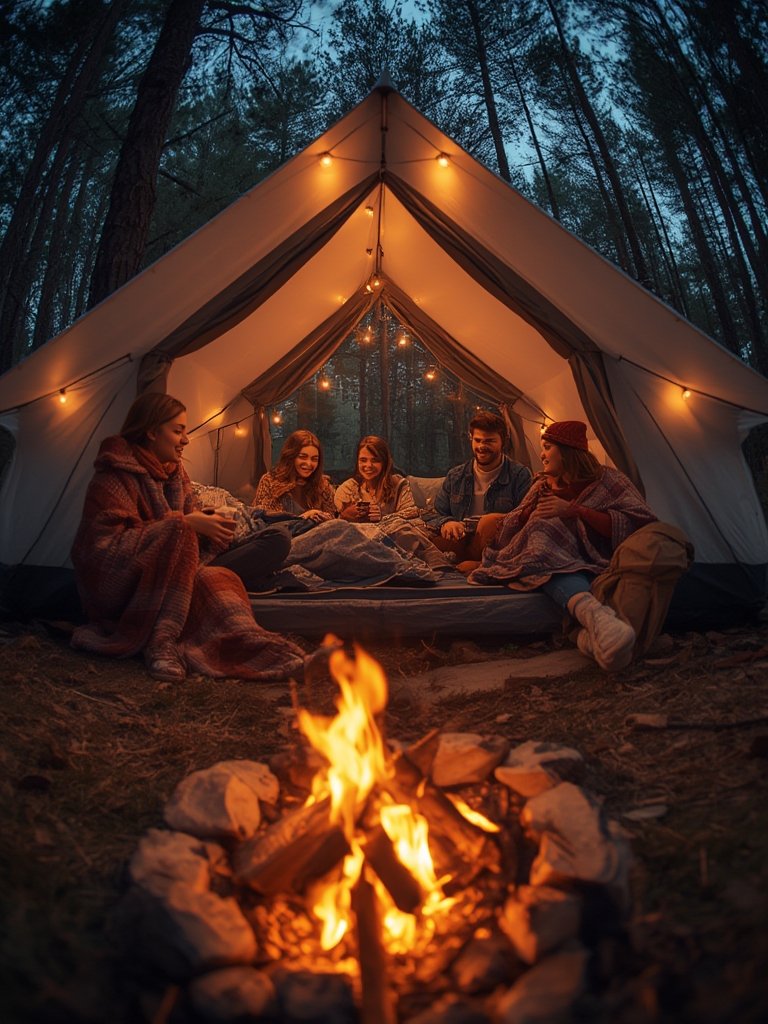
A truly “cozy” campsite comes from a smartly curated cozy camping checklist: thick, warm sleep gear, a real pillow, plush blanket, soft lighting, and seating that make you want to linger. Prioritize these and you’ll avoid nearly all first-timer discomfort, no matter your weather, budget, or experience level.
Ready to upgrade your first trip? Print and follow this cozy camping checklist—and check out our full cozy camping essentials list for even more comfort tips.
FAQs about cozy camping checklist
What’s the most important item for cozy camping comfort?
A thick, insulated sleeping pad (at least 3–4 inches, R-value 4 or higher) delivers the highest comfort upgrade per dollar—far more than a premium sleeping bag alone.
Do I really need a camp pillow?
Yes. Testers rank a real camp pillow alongside a good pad for best sleep quality—crumpled clothing rarely feels comfortable by 3 AM.
Should I spend extra on down or synthetic gear?
For car camping, start with a synthetic bag (20–30°F comfort rating) and invest those savings in a thicker pad and soft blanket first—the warmth and comfort payback is greater than lighter down gear alone.
How do I keep my tent warm and dry?
Always use a tent footprint or tarp under your tent to block ground chills and avoid moisture wicking up. Ventilate at night to prevent condensation—crack vents or the mesh door, even in light rain.
Are there any simple upgrades for more comfort without buying new gear?
Add a plush blanket and dedicated pillow to your current bag, bring a doormat and soft lighting—these low-cost items provide a bigger comfort boost than many expensive upgrades.