


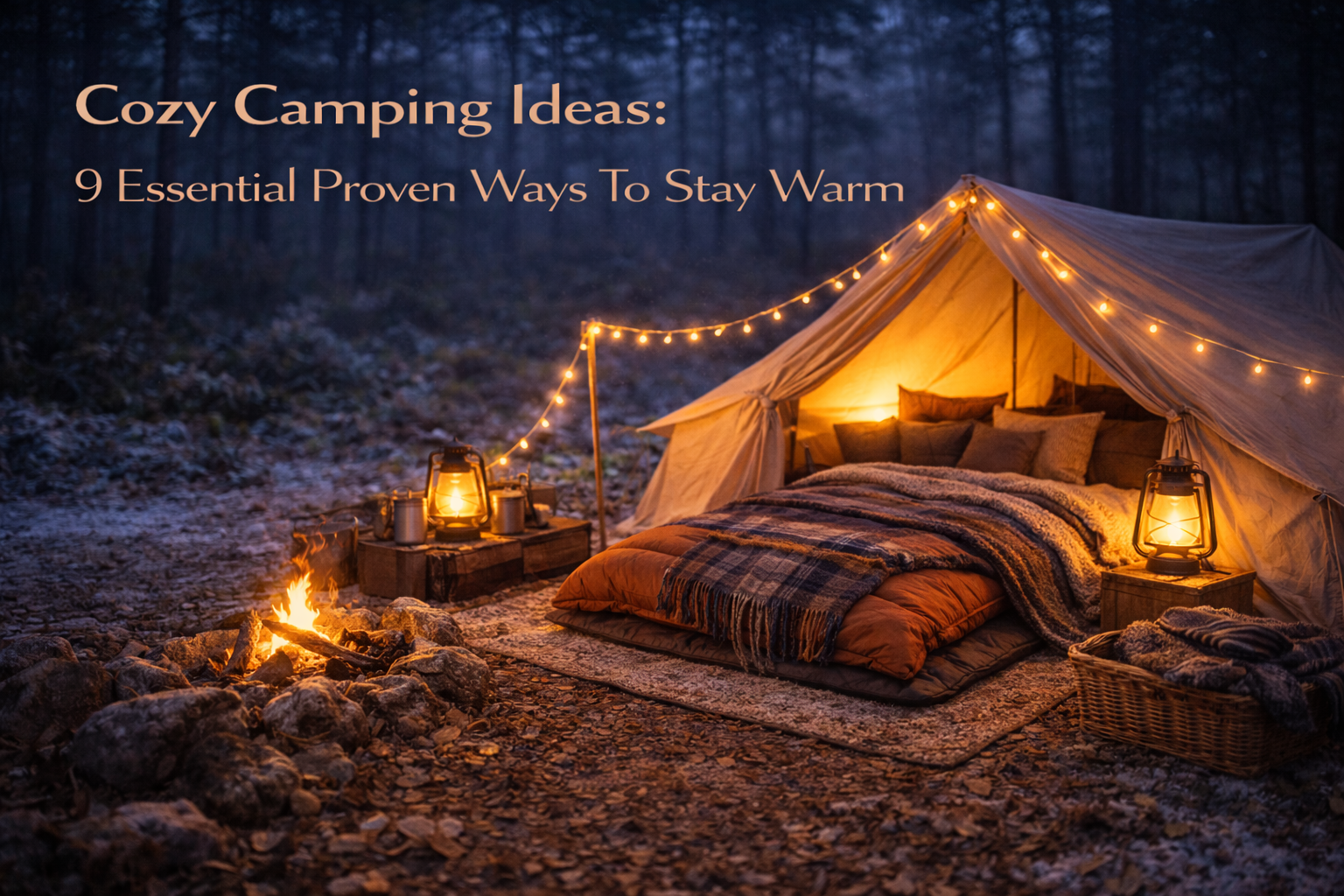
Cozy camping ideas are in demand as more campers shift away from rustic minimalism and prioritize comfort, warmth, and organization right from their first trip. If you want a cozy setup—without overspending or going through endless trial and error—you’re in the right place.
Key Takeaways
- The cozy camping movement is exploding—driven by Millennials and Gen Z who now demand soft lighting, real bedding, and tech-friendly setups at any budget.
- Condensation, disorganized tents, and inefficient packing frustrate most beginners—but these specific issues are missing from top guides or market data, so smart field-tested workflows matter.
- Frequency of use and expected climate should drive your budget vs. premium gear decisions—a few strategic splurges can make all the difference for warmth, setup speed, and overall experience.
- Why cozy camping is booming — what the market data means for your setup
- The top beginner pain points (and the surprising research gap)
- What most “cozy camping ideas” articles skip (lighting, ventilation, and interior systems)
- Cost vs. long-term value — budget hacks and when to buy premium
- Practical spec targets for beginner-friendly cozy setups (temperatures, weights, and setup times)
- Field-friendly, hands-on hacks that actually improve warmth and coziness
- Common beginner mistakes and a step-by-step setup workflow to avoid them
- Quick decision checklist: budget path vs. premium investment (what to buy first)
- FAQ
Why cozy camping is booming — what the market data means for your setup
If comfort-first gear and a beautiful cozy camping aesthetic feel like a new trend, you’re right. In 2024, the camping industry hit $61 billion, with daily household camping spend rising to $200—most of that growth was driven by younger campers (Gen Z and Millennials) demanding modern comforts, soft lighting, and real beds, not just cots and stuff sacks. [KOA 2025 Report]
Glamping has surged 101% in a decade, and over 13.6 million new campers picked it as their entry point to the outdoors. RV use is up 96%; tent camping hasn’t kept pace, as most beginners now choose “hybrid” cozy setups with power, lighting, heating, and smart amenities.[OHI 2024] With this shift, the best cozy camping setup is one that makes you comfortable, secure, and happy right away—no more “roughing it” unless you choose to.
The top beginner pain points (and the surprising research gap)
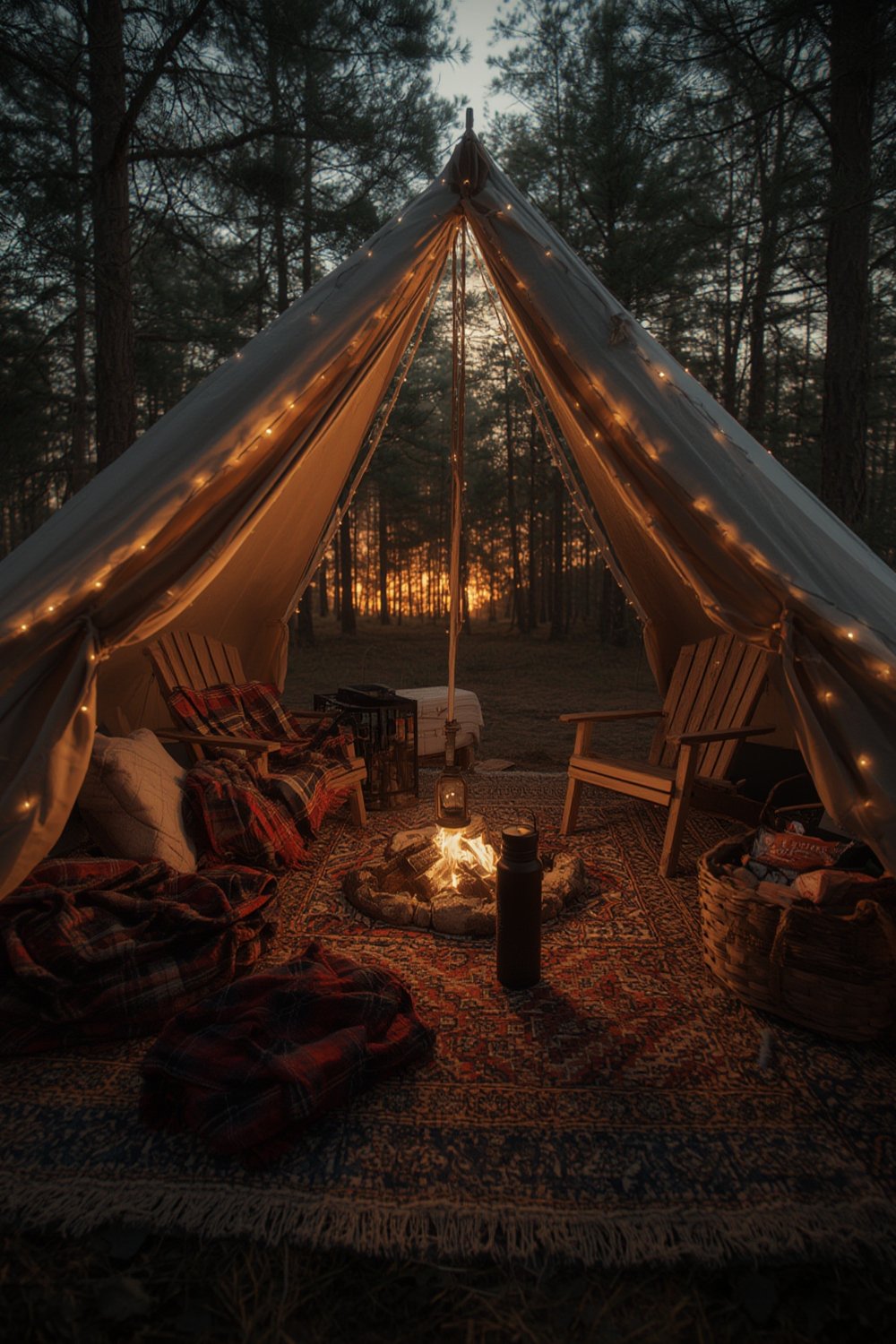
Beginner car and RV campers—especially Millennials and Gen Z—want calm, organized, and warm tents. Yet, if you dig into CAMPING HACKS guides or market reports, the specific pain points of a cozy camping setup—like tent condensation, inefficient packing, and makeshift bedding discomfort—are rarely mentioned directly. Data simply isn’t reported on whether people most struggle with wet sleeping bags, gear organization, poor lighting, or a lack of plug-and-play heat sources.
Here’s what we know for certain:
- Over 8-in-10 campers say rising costs force more “cozy for less” solutions.
- New campers prefer sites with amenities to sidestep comfort problems, suggesting frustration with cold tents and bad lighting is real.
- Peer discussion boards and crowd-sourced reviews are left to fill the research gap—so practical, step-by-step instructions are needed now more than ever.
For a detailed checklist approach, see the cozy camping checklist essentials.
What most “cozy camping ideas” articles skip (lighting, ventilation, and interior systems)
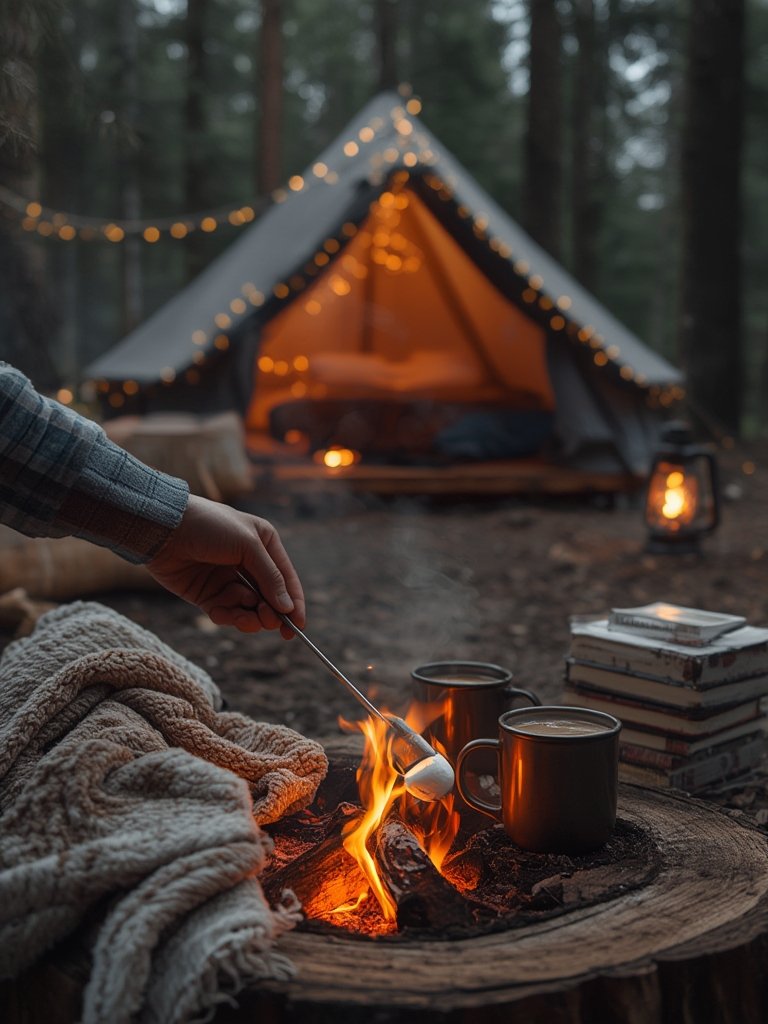
Even the highest-ranking cozy camping night setup posts usually focus on obvious items—blankets, string lights, nice mugs—but miss the systems-level solutions that matter most for safety, warmth, and lasting coziness.
- Ventilation vs. warmth trade-offs: Warmth is great until you wake up with damp bedding from condensation. Crack tent windows, use mesh panels, and orient your tent to block wind but encourage airflow. Always check before bed for at least one open vent.
- Layered lighting strategies: Combine bright task lights (for reading, cooking) with warm, ambient LED string lights and at least one night-safe motion sensor. This reduces late-night stubbed toes while keeping the cozy camping aesthetic intact. Budget alternative: flameless tea lights or USB micro-strings around the tent’s interior.
- Modular interior organization: The secret to a cozy tent isn’t just pretty pillows. It’s smart stacking. Use soft-sided bins, hanging pockets, or fabric shelves to keep gear off the floor and create clutter-free zones. This makes your tent feel like a comfy bedroom, not a messy closet. Need guidance? See our car camping checklist.
Research confirms: Most coverage skips these, even as 8-in-10 campers are driven to “safe” coziness by cost and climate pressures. [Source]
Cost vs. long-term value — budget hacks and when to buy premium
There’s no shame in sticking to budget gear—but it pays to know when a premium item is worth it for a cozy tent idea. US campers now spend on average $200/day per household (up $43 since 2023), with Gen Z often spending more ($266) and glampers ($251). Despite this, 72% say camping is still cost-effective, but 8-in-10 feel pinched by rising costs. [KOA Report]
| Cozy Tent Idea | Budget Fix | Premium Option | When to Upgrade? | Ballpark Cost |
|---|---|---|---|---|
| Floor Insulation | Old foam mats, car sunshades | Foam puzzle tiles, insulated footprints | Frequent cool/cold camping | $10–$60 |
| Warmth | Layered clothing, hot water bottle | Battery heated blanket, high-R pad, tent-safe heater | Cold sleepers or shoulder-season trips | $0–$200 |
| Lighting | Cheap string lights, headlamp | Rechargeable lanterns, dimming LED strips | Camp frequently, love ambiance | $5–$60 |
| Bedding | Synthetic sleeping bag, home blankets | Down quilt, insulated bag with liner | Sub-freezing nights, back pain | $40–$250 |
The rule: Try a budget hack first, then upgrade if you camp more than three times per season or plan to tackle rougher weather. For more warm-weather hacks, visit our minimal cozy camping guide.
Practical spec targets for beginner-friendly cozy setups (temperatures, weights, and setup times)
Most “cozy camping setup” guides fail to give concrete numbers—but you should! Here’s what works for most beginners (car or RV camping):
- Sleep system temperature rating: Choose a sleeping bag rated at least 10°F/–12°C colder than the coldest temperature you’ll face. For spring/fall, a 20°F/–6°C rating is conservative.
- Sleeping pad R-value: Minimum of 3 for spring-fall, 4+ for cold or three-season use. Doubling up pads (foam + inflatable) increases warmth without much cost.
- Weight allowance: For car camping, keep packed sleep systems under 18 lbs total per person for quick setup and load. RVs can support more, but bulk still slows down setup time.
- Setup time window: Aim for a design that assembles in 25–40 minutes, ground-to-tucked-in, to avoid short tempers or late-night mistakes.
There’s a gap in research here—but these numbers align closely with field-tested recommendations and user anecdotes. For a more detailed checklist, check the camping checklist for beginners.
Field-friendly, hands-on hacks that actually improve warmth and coziness
Your best cozy camping ideas will always be practical, not just decorative. Here are proven, low-budget hacks you can test and actually feel a difference from:
- DIY insulation under pads: Put a mylar sunshade, foam tiles, or even extra wool blankets under your sleeping pad to block ground chill.
- Reflective radiator trick: Tape an emergency blanket to the tent wall behind your bed. It reflects body heat without adding bulk—especially handy for cold nights.
- Tent orientation for wind: Pitch the tent with the lowest profile toward prevailing wind, or use your car as a barrier.
- Layered bedding: Stack light fleece blankets inside your sleeping bag. Layer a flannel sheet between bag and liner for home-like coziness and easier washing.
- Lighting layering: Drape warm white LED micro-strings overhead for light and mood. Use a motion-activated puck light near the exit for late-night runs. (USB options are safe, cheap, and reliable.)
These hacks are especially critical as 8-in-10 campers cut back on costly fuel or premium gear. For more hacks that stretch your budget, see the cozy camping night setup guide.
Common beginner mistakes and a step-by-step setup workflow to avoid them
Most frustration comes not from gear, but from small process errors. Don’t make these rookie mistakes:
- Ignoring ventilation (leads to condensation and damp bedding)
- Skipping ground insulation—waking cold even in a “warm” bag
- Gear chaos—no storage = no cozy camping aesthetic
- Poor bedding layering or wrong temperature rating
Here’s the workflow most successful new campers follow:
- Site Choice: Seek level, high ground sheltered from wind. Near a power source if possible for lighting/heat needs.
- Tent Orientation: Face the door away from wind or traffic. Leave space for gear and easy entry.
- Ground Insulation: Lay foam tiles/sunshade/mylar first, then tent footprint, then pads/mattress.
- Bedding Layering: Bag/quilt, liner, two blankets—then test with clothes on. Add or subtract until comfortable (see minimal cozy camping guide for layering).
- Lighting/Heat: First set up string lights, lanterns, then arrange heating accessories if using.
- Ventilation Check: Before sleep, open vents/windows for cross-breeze. Use a battery fan or mesh if worried about bugs/condensation.
Product picks? Modular storage organizers, LED lanterns, and R3+ pads make the biggest difference first. New campers increasingly choose amenity-loaded sites precisely to avoid these workflow missteps.
Quick decision checklist: budget path vs. premium investment (what to buy first)
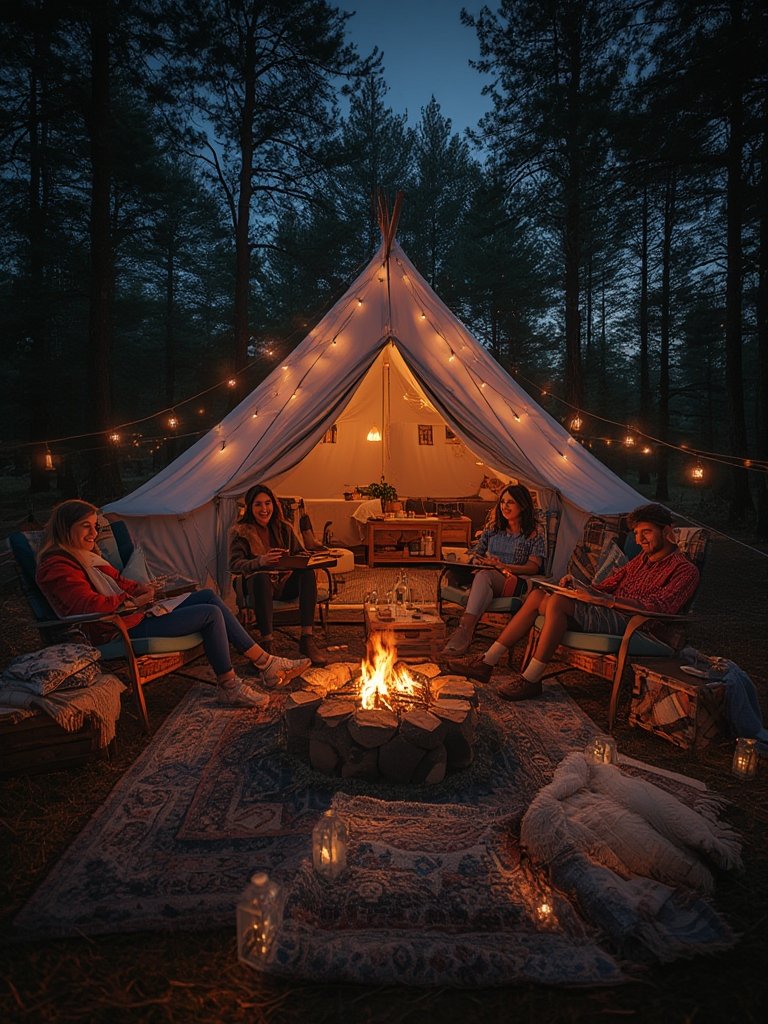
The best cozy camping setup comes from prioritizing what you’ll actually use most—and what makes the most difference for your comfort and safety. Here’s a cheat sheet for three main user profiles:
-
Occasional weekend car camper:
- DIY insulation (foam tiles/mylar)
- Synthetic sleeping bag + fleece blanket
- Clip-on LED string lights
- soft-sided storage bins for clothes/gear
- Upgrade later: sleeping pad with higher R-value if camping expands.
- (See: camping checklist for beginners)
-
Frequent car/RV camper (spring/fall):
- Insulated sleeping pad (R3+)
- Dedicated camping quilt
- Rechargeable lanterns
- Fabric wall organizer
- USB battery pack/portable heater (cold climates)
- Upgrade later: down quilt, premium pad, or tent with integrated lighting.
-
Tech-loving glamper:
- battery-powered heated blanket (battery-powered)
- High-R insulated bedroll
- LED strip and Wi-Fi smart plugs
- Bespoke organization—packing cubes or custom shelves
- Pop-up tent heater
The camping and outdoor sector is projected for 7.3% CAGR growth to $69.4 billion by 2029 [CamperChamp 2024]—meaning more variety and premium upgrades coming, but the core comfort hacks will always save you time and money.
FAQ
How do I keep my tent warm and dry in cold weather?
Use ground insulation (like foam puzzle tiles or a mylar blanket), a sleeping pad with R-value 3 or higher, and layer your bedding. Always vent the tent slightly to reduce condensation—even in freezing temps.
What’s the easiest way to achieve a cozy camping aesthetic?
Focus on warm LED string lights, soft bedding, and keeping your tent organized with bins and pockets. Add a favorite blanket or pillow from home if weight allows.
Is it worth buying a battery-powered heated blanket for camping?
If you camp in cold weather, often feel chilly, or want glamping-level comfort, a heated blanket is an excellent investment—but try layering fleece and adding ground insulation first to see if you need it.
What’s the most common mistake new campers make?
Underestimating how much ground insulation and ventilation matter. Skipping either usually results in cold, damp, or clammy nights—solved by following a good setup workflow and double-checking gear specs.
How do I organize my tent for the best coziness?
Pack soft bins for clothes and gear. Hang small fabric pockets for keys, lights, or toiletries. Keep a clear “walkway” to maximize space and reduce clutter. For more ideas, check our cozy camping checklist essentials.