


### Blog Post:
Cozy camping on a budget is not only possible but surprisingly enjoyable if you know exactly how to focus your money, where to compromise, and which areas never to cut corners. With gear costs rising and so many “expert” tips on the internet, keeping your camping experience truly comfortable—without draining your wallet—requires a plan grounded in real numbers and realistic solutions.
Key Takeaways
- For true cozy camping on a budget, prioritize a warm sleeping pad and effective layering rather than chasing premium gear.
- Smart bundles and selective DIY strategies can cut costs down to $400–$700 without missing core comfort.
- Most first-timers’ mistakes are due to underestimating insulation and over-trusting optimistic gear temperature ratings.
- What Cozy Camping on a Budget Really Means
- Step-by-Step Guide to Cozy Camping on a Budget
- Advanced Analysis & Common Pitfalls
- Conclusion
- FAQ
What Cozy Camping on a Budget Really Means
At its core, cozy camping on a budget is about maximizing warmth, comfort, and hassle-free nights outdoors—while deliberately capping your financial outlay. For beginners in 2024 and beyond, the realistic cost for a full cozy camping kit sits around $600–$700, though the most strategic DIY packers squeeze it into the $400–$500 range.
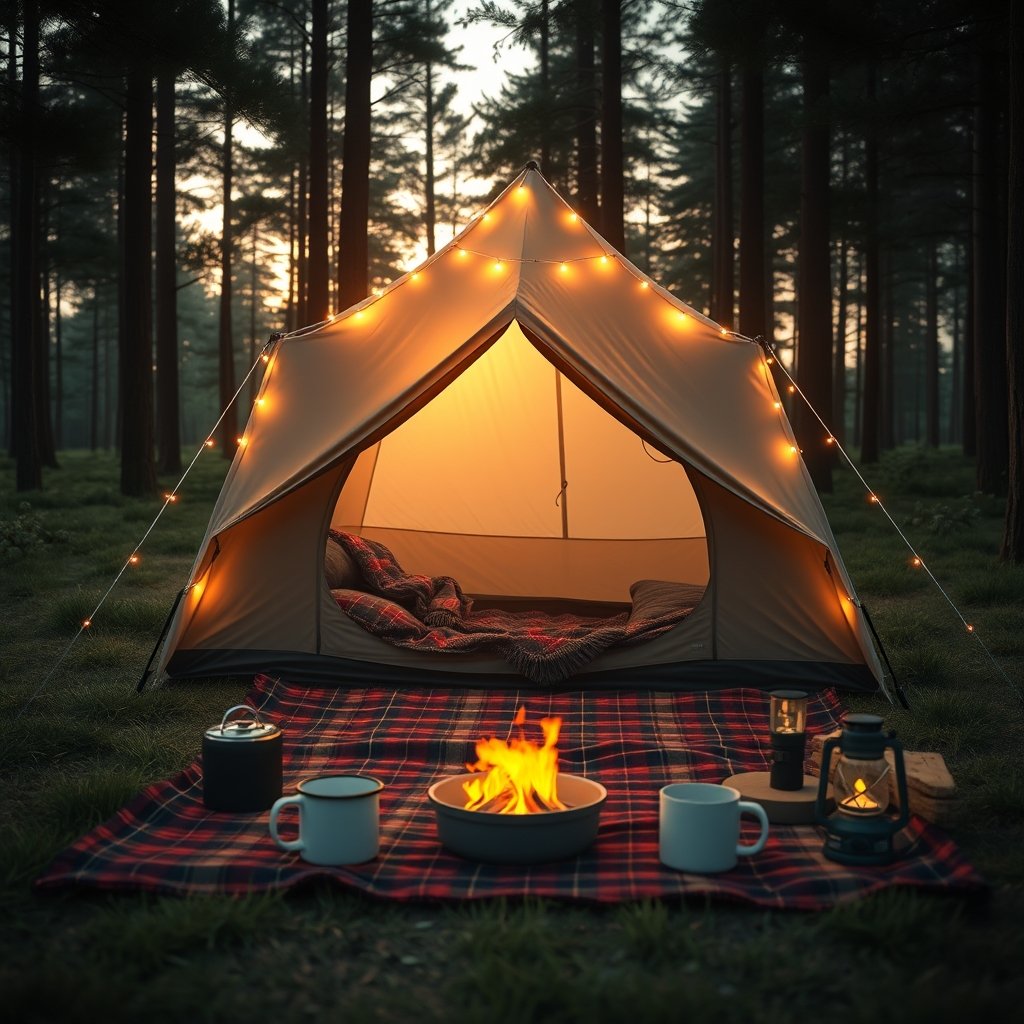
The secret is judicious layering—combining affordable sleeping bags, household blankets, and a quality sleeping pad—while avoiding the trap of overspending on premium gear before understanding what actually matters. Tents, stoves, and lighting must be decent enough for safety, but many high-price options provide only incremental comfort. As you’ll see, sourcing bundles, strategic upgrades, and simple DIY tricks are essential for thriving on a budget without freezing or feeling deprived.
Step-by-Step Guide to Cozy Camping on a Budget
1. Choose the Right Sleeping Setup (It’s Not All About the Bag)
Your warmth and sleep quality hinge much more on insulating yourself from the ground than anything else. Start with:
- Sleeping bag: The Coleman Brazos 20 bag ($54–$60) is the most praised low-cost choice. But don’t trust the temperature rating—plan to sleep in layers below 30°F.
- Pad: Even basic foam or air pads ($15–$40) make more impact than a fancy bag if you’re on a cold surface.
- Layering: Build a system: start with a budget synthetic rectangular bag ($40), then add a twin blanket ($32) and a poncho liner ($30). This combo outperforms many $150+ bags for shoulder season camping.
2. Find Affordable Essentials (Tent, Lighting, Stove, Chair)
Solid comfort and safety can be found below $150 per item—often much less:
- Tent: Budget tents like the Coleman Skydome 6P (~$120) are weather-resistant enough for most campgrounds.
- Stove & Cook kit: Simple propane stoves start as low as $20–$50 (see real-world breakdowns), with mess kits for $20–$30.
- Lighting: Black Diamond Astro 300 headlamp ($20–$30) and Flextail Portable EVO Lantern for mood. Basic flashlights ($5–$15) do the job.
- Seating: Coleman Broadband Mesh Quad Chair ($35). This makes evenings exponentially more comfortable and doubles as a lounge spot for your throw blanket.
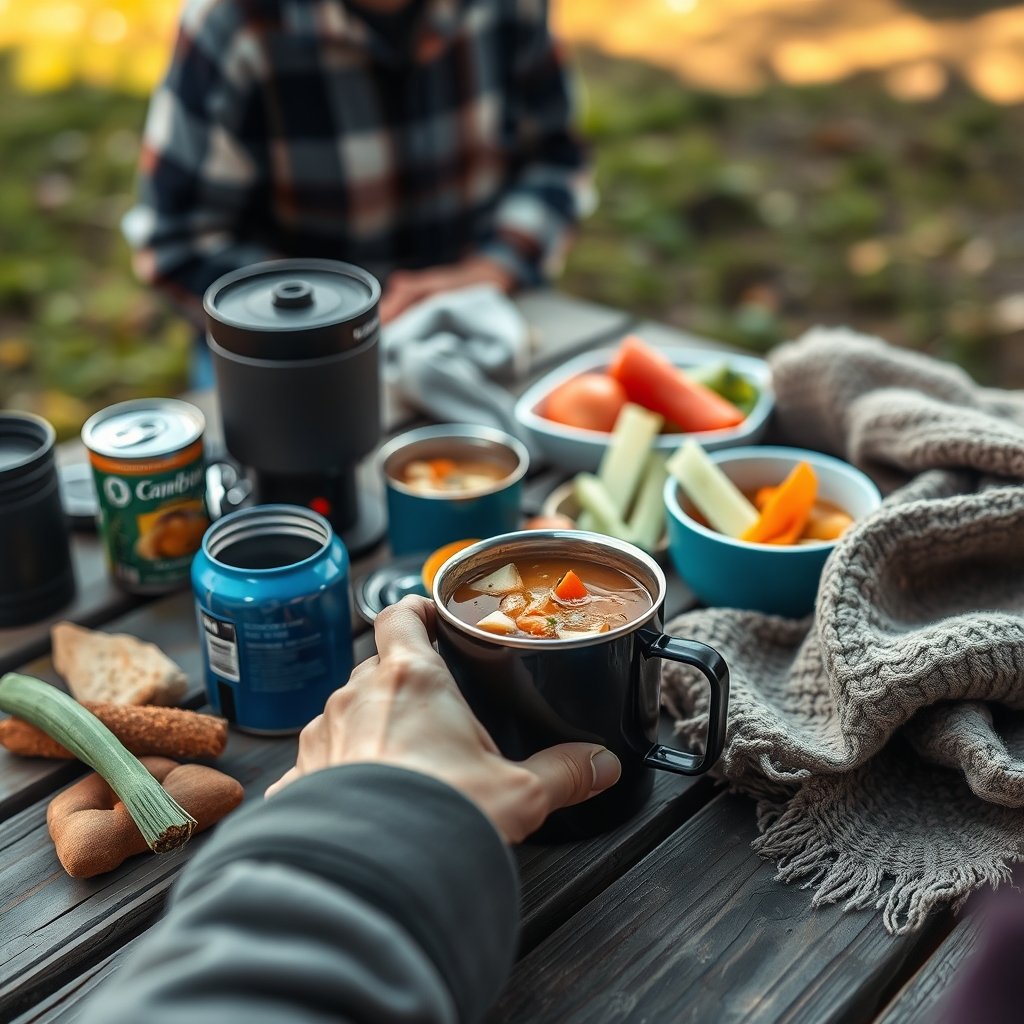
3. Buy Bundles or Build Your Own Kit
Bundles like the Near Zero $599 full kit give you everything from tent to stove to pad, saving decision fatigue and cash compared to piecemeal shopping. If you’re more hands-on, hand-pick each component with a strict dollar cap—good deals usually come from online sales, used gear shops, and major retailers’ clearance events.
- For deals, skip the cooler initially and put that $30–$40 toward extra insulation (blanks, pads) instead.
- Don’t get lured by gadgets: Functional safety lighting, sufficient ground insulation, and layers will always beat a “smart” tent or premium cot for first-timers.
4. Use Household and Multi-Purpose Items
- Household twin blankets and fleece throws, combined with your main bag, save at least $30–$50 over outdoor-branded options.
- Reusable items like a poncho liner work both as insulation inside your bag and decor to cozy up the tent interior or your camp chair.
- Basic plastic containers, tupperware, and cheap utensils are all you need for cooking and storage. Skip specialty mess kits on your first trips.
For more detailed sleep tips, the Camping Sleep Comfort guide gives step-by-step breakdowns for pain-free nights in any season.
5. Hunt for Legitimate Discounts—and Watch for Mistakes
- Look for legitimate outdoor bundles, used gear sales, or local gear library rentals for savings of 20–40% over retail.
- Know which corners to cut and which to invest in: a leaky tent can ruin your entire trip, but a cheaper pad or headlamp (with backup batteries) rarely will.
- Read real user reviews: Most complaints stem from underestimating cold ground and being fooled by overoptimistic sleeping bag ratings.
For practical checklists and pack guides, see the comprehensive cozy camping checklist and Budget Camping Ideas for more ways to cut costs painlessly.
Advanced Analysis & Common Pitfalls
Major Cost Mistakes—and How to Avoid Them
Most first-timers overspend (or underspend and get cold) due to lack of focused strategy. Here’s what to look out for:
| Mistake | Cost | Consequence | Best Budget Solution |
|---|---|---|---|
| Skimping on sleeping pad | $15–$40 on basics (vs. $0) | Cold, restless sleep even with good bag | Always include a closed-cell foam pad for insulation |
| Trusting cheap bag’s temp rating | $40–$60 bag | Uncomfortable below actual 30°F; disappointment without layers | Layer blankets/poncho liner with budget bag |
| Buying premium backpack first | $200+ before basics | Brokers budget, backpack still hurts if not properly fitted | Choose affordable, adjustable models ($100–$150); fit it in-store if possible |
| Ignoring lighting needs | $5–$50 | Safety, mood, and cooking at night suffer | Buy one basic headlamp (Black Diamond Astro) plus a backup flashlight |
| Skipping deals & bundles | Extra $100–$250 spent | Less for insulation or safety | Use reputable bundles like Near Zero or assemble used pieces yourself |
Other Realistic Problems and Fixes
- Uninformed gear choices—buying high-end items before learning what you’ll actually use.
- Packing only a summer bag for spring or fall trips, resulting in a miserable night despite saving money.
- Skipping warm camp decor—having a fleece throw or blanket to wrap up in camp is minor in dollars, major in comfort.
If you want more actionable tips and a checklist for first-timers, check out beginner camping tips and the Best Camping Hacks roundup for new ways to stretch your dollar further.
Conclusion
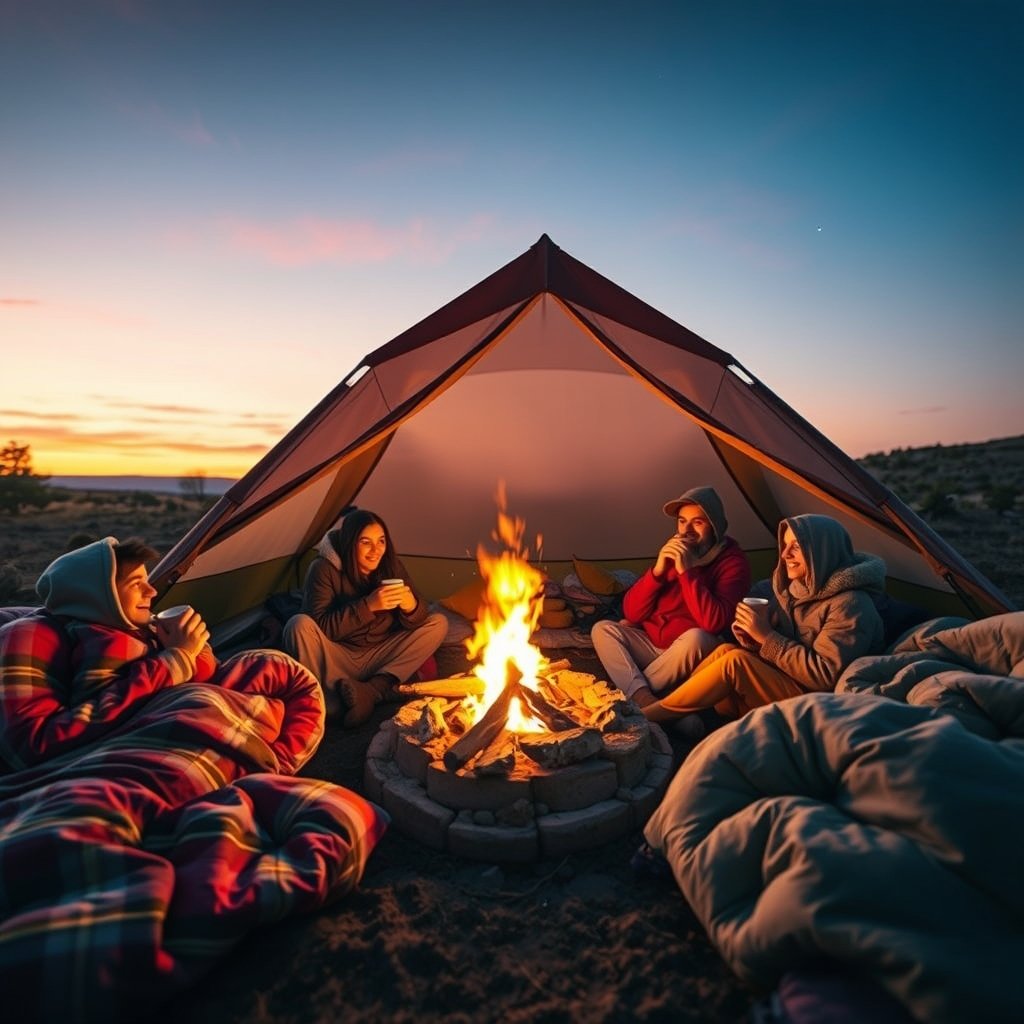
Building real cozy camping on a budget habits is not about suffering—it’s about smart choices, resourceful layering, legitimate bundle deals, and knowing what brings true comfort for your dollar. Most campers can stay cozy with a $400–$700 investment by focusing on insulation, multi-use gear, and proven budget products. Now is the best time to review your kit, cut out what’s not needed, and plan your next great night outdoors. Start with your core sleep system, keep it simple, and measure your upgrades by real-world comfort, not just price tags.
Ready to elevate your camping game for less? Check out more advanced comfort strategies in our cozy camping gear and minimal cozy camping guides, and subscribe for more tips tailored to real campers and real budgets.
FAQ
How much does it really cost to get cozy camping gear if I’m starting from scratch?
Plan for $400–$700 depending on how many items you can borrow or buy used. Essentials include a budget tent (~$120), sleeping bag ($40–$60), pad ($15–$40), stove ($20–$50), lighting ($20), and a comfortable camp chair ($35). Bundles can further cut costs.
Is it safe to trust the temperature rating on cheap sleeping bags?
No. The majority of low-cost bags rate optimistically. Always add extra layers or blankets below 30°F. Choose a bag rated at least 10–15 degrees lower than the coldest expected night or commit to layering.
Are full camping bundles worth it or is DIY piecing better?
For first-timers, kits like the Near Zero $599 bundle are often best for value, avoiding shopping fatigue and missed essentials. DIY works if you enjoy hunting deals and already own household blankets or mats.
What are the best upgrades if I have an extra $50–$100?
Invest in a thicker sleeping pad or add a quality blanket/fleece liner. Each upgrade should tackle comfort, warmth, or safety, rather than “luxury” gadgets.
Where can I see more detailed cozy camping checklists or sleep tips?
Go to our cozy camping checklist and Camping Sleep Comfort Guide for hands-on lists detailed for each skill level.
—