


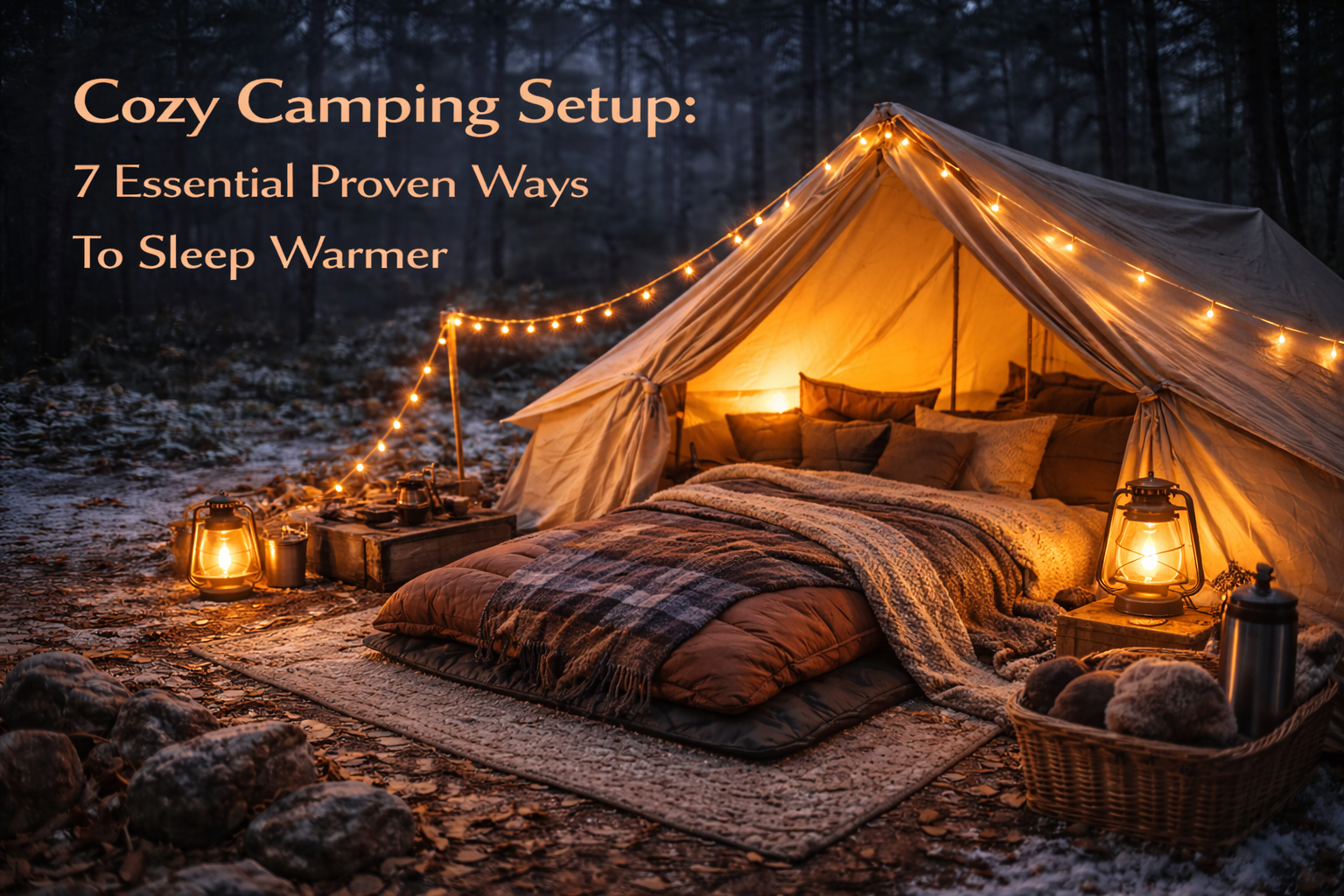
Building a cozy camping setup isn’t about chasing influencer vibes or copying endless Pinterest lists. If you’re a beginner frustrated with restless nights, cold toes, or a lounge-free campsite, this guide delivers realistic, field-tested solutions—gear by gear—to help you get genuine comfort without overspending or overpacking.
Key Takeaways
- Address real comfort complaints directly by investing in smart sleep and lounge gear, not just generic extras.
- Choose between budget and premium gear with clear trade-offs in cost, weight, and setup time—avoid overpacking by renting or prioritizing essentials.
- Practical gear hacks—like using leveling blocks, real pillows, and cozy lighting—can make your camp setup feel like a home away from home.
- The real comfort complaints beginners face (and why they matter)
- High-impact gear tweaks that actually solve those complaints
- What’s changed (and what hasn’t) in cozy camping gear over recent years
- Budget vs. premium — an itemized cost plan for a comfortable setup
- Weight, portability, and setup-time realities guides usually ignore — and simple hacks that save time/space
- Temperature control — what the research didn’t answer, and how to choose ratings in practice
- Lighting that feels “homey” without killing batteries or adding bulk
- Field-tested cozy kits: two recommended combos (car-camping quick-builds) and the beginner mistakes to avoid
- Conclusion
- FAQ
The real comfort complaints beginners face (and why they matter)
Every beginner wants a comfortable camping setup, but most guides gloss over the field-tested reasons many first experiences end up miserable. The usual complaints include:
- Sleep discomfort (thin mats, stiff backs, cold ground contact)
- Cold exposure from below (poor insulation, air leaks, no off-ground support)
- Lack of lounging space (no chairs or hammock equals spending all evening on your feet or in bed)
- Uneven or unlevel sites (causing sliding off mats, lumpy sleeping, fridge malfunctions in RVs)
- Overpacking (cramped vehicles, wasted time, hard-to-find essentials buried under gear)
- Temperature control fails (waking up sweaty or freezing, can’t relax or sleep well)
These aren’t minor gripes—they’re the biggest reasons beginners swear off camping after a disastrous trip. Data shows new campers struggle most with uncomfortable sleep surfaces and staying warm and dry. Solving these is key to building a truly cozy camping setup that you’ll actually look forward to using.
High-impact gear tweaks that actually solve those complaints
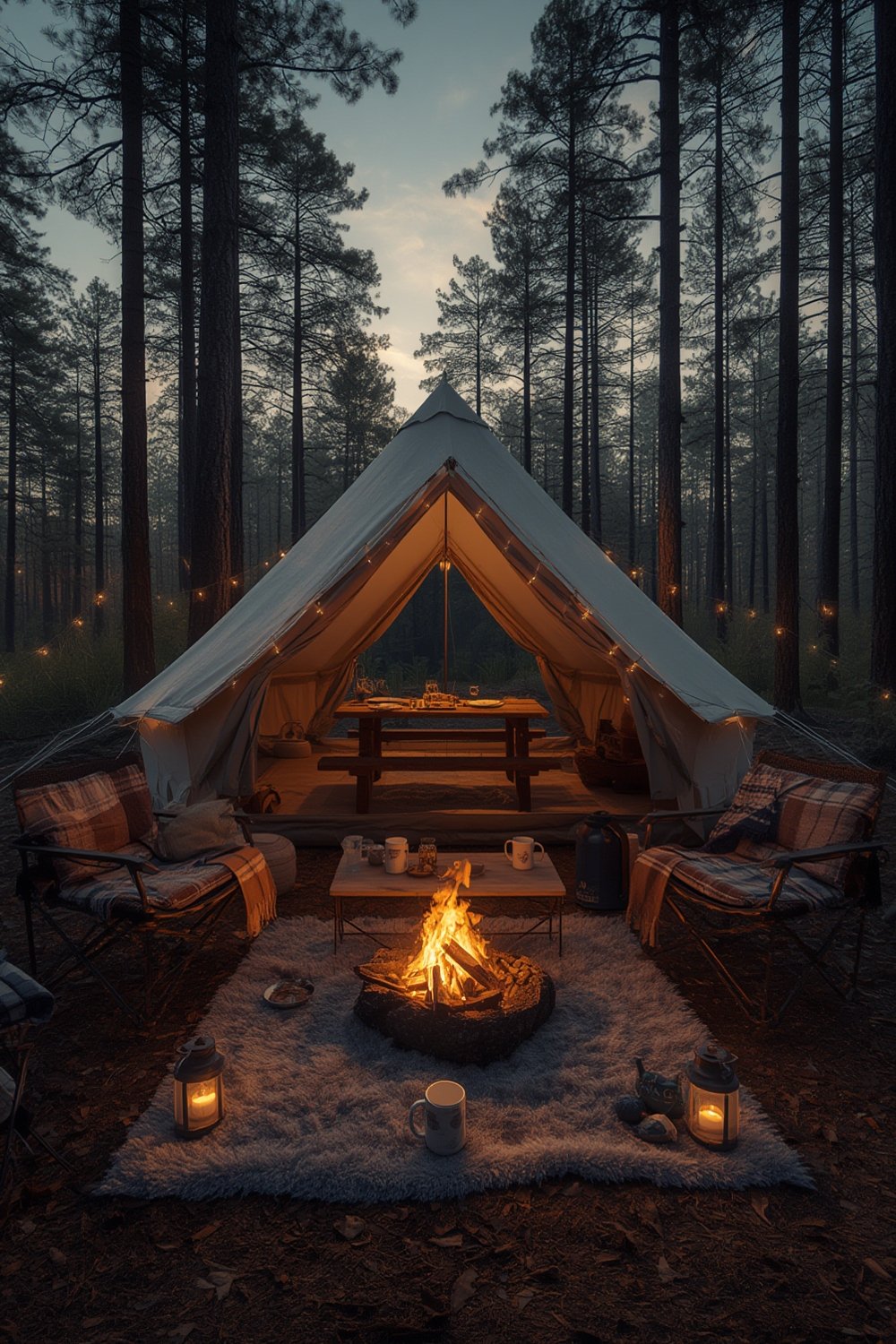
If you’re tired of generic checklists, here’s a direct match-up of real comfort issues with proven, actionable fixes:
- Uncomfortable sleep: Use a quality sleeping pad or air mattress. Examples: Alps Mountaineering Velocity Air Bed ($120, 5 min setup), Helinox Cot One (5.4 lbs, $300, freestanding, easy level adjustments), or a rental pad from REI to test what works for you.
- Cold from below: Add insulation by pairing a foam pad with your air bed, or invest in a camping quilt like the Western Mountaineering Cloud 9 ($320). Cots or double-layer setups increase warmth dramatically.
- No lounge space: Bring a real camp chair—the Kelty Mesh Love Seat ($110) fits two adults or snuggly kids. A Kammok Roo Double ($79) hammock gives an instant hangout zone; bring at least one or you’ll spend all your downtime lying in bed or standing up.
- Uneven sites: Level your sleeping and living area with cheap leveling blocks or a simple leveling system. Compact blocks (approx. $20) fit any car trunk, and take seconds to use. This prevents rolling off beds and avoids RV fridge problems.
- Packing mistakes: Use collapsible bins and make a packing checklist; prioritize what you’ll use in the first 18 hours on site. [See CAMPING CHECKLIST FOR BEGINNERS.]
- Poor temperature control: For warm weather, bring a battery fan or install mesh windows; for cold, use a small tent-safe heater (propane or battery-powered) with strict safety precautions. Always add insulation below before buying heavier sleeping bags.
- Lack of lighting ambiance: Install LED string lights or battery-powered lanterns (see COZY CAMPING NIGHT SETUP). Rechargeable options keep weight down for car camping.
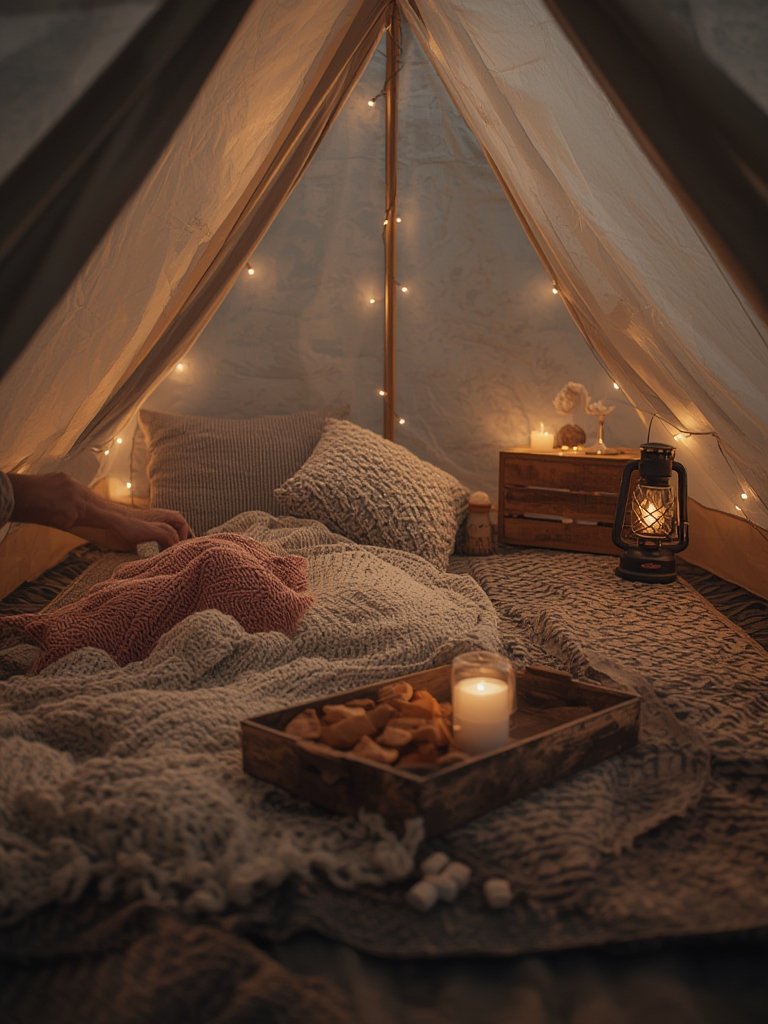
For more practical hacks and minimal gear solutions, check out these CAMPING HACKS and a focused minimal cozy camping rundown on sleeping warmer.
What’s changed (and what hasn’t) in cozy camping gear over recent years
Despite marketing claims, there’s little evidence of major leaps in “cozy camping setup” gear innovation in the last five years. Most comfort improvements—like inflatable sleeping options, battery tech in lighting, or tent heaters—remain incremental. The biggest gains come from smarter combinations of proven gear, not new inventions. When shopping, distrust unproven “new” features unless real reviews back them up. Focus on established brands and confirm if listed features (auto-leveling, real insulation, battery run-time) match your needs, not just marketing buzzwords.
Budget vs. premium — an itemized cost plan for a comfortable setup
Here’s what it actually costs to build a comfortable camping setup—itemized for both a budget and a premium option:
| Gear Category | Budget Option | Premium Option |
|---|---|---|
| Sleeping Pad / Mattress | REI Rental Pad ($10-20/trip) | Alps Mountaineering Velocity Air Bed ($120) |
| Cot | None / borrow from friends | Helinox Cot One (5.4 lbs, $300) |
| Quilt/Blanket | Home blanket or thrift ($0-10) | Western Mountaineering Cloud 9 Quilt ($320) |
| Camp Chair | Folding chair ($15-40) | Kelty Mesh Love Seat ($110) |
| Hammock | Skip or cheap nylon hammock ($20) | Kammok Roo Double ($79) |
| Lighting | Rechargeable LED lantern ($20) | String lights + lantern ($60) |
| Leveling Blocks | Basic wheel blocks ($20) | Auto-levelers ($150+) |
| Total Estimated Cost | $85–$150 (with rental/borrowed gear) | $760+ (with all premium gear) |
Most beginners do best by renting or borrowing big-ticket items the first two trips, then buying only what actually made a difference. Most premium gear is only worth it if you camp several weekends per season or value “buy once, cry once” for comfort.
Check rental options in your region (like REI Rentals) for a low-commitment entry. See full lists and essentials on the cozy camping checklist.
Weight, portability, and setup-time realities guides usually ignore — and simple hacks that save time/space
Most “cozy tent setup” guides skip weight, bulk, and the reality of cramming gear into a sedan or small RV. Real weights matter. For example, the Helinox Cot One weighs 5.4 lbs, but combined with a thick air mattress, your sleep system can top 10–15 lbs—fine for car or RV, not for hikes. Overpacking is a rookie mistake that ruins comfort and convenience. It’s also easy to underestimate how long it takes to set up when you arrive tired or in the dark.
- Pack using color-coded/collapsible bins so you instantly find what you need.
- Make a cord and hose checklist (for RV or tented setups) and always check for things like hose leaks or tent pole cracks before the trip.
- Do a “shake-down trip” in your backyard or driveway, simulating a single overnight to test if you can set up in under 45 minutes. Adjust packing based on what you didn’t use.
- Bring a tarp and basic stakes—this solves surprises from rain or rough ground without extra “just in case” gear.
- Level as soon as you arrive—carrying $20 in basic blocks is the cheapest comfort boost.
Dive into more expert organizational upgrades in the car camping checklist.
Temperature control — what the research didn’t answer, and how to choose ratings in practice
Data on sleeping bag or pad temperature ratings is largely missing from most guides. Instead, real-world coziness depends on insulating from below with a thick pad, cot, or air mattress. If you’re car camping three seasons, pick a sleeping bag with a comfort rating 5–10° (F) below your expected low nights, and look for pad “R-values” of at least 3 for mild weather—higher for early spring or late fall. For true cold-weather, invest in specialized gear but expect size and price to climb fast.
Prioritize a cozy camping setup that pairs a good bag or quilt with serious ground insulation. In practice, only buy heavier bags if you know you’ll camp cold. The trade-off: bigger warmth ratings = less portability and more expensive gear.
Lighting that feels “homey” without killing batteries or adding bulk
A cozy outdoor setup is lit by more than just harsh LED lanterns. Battery-powered string lights make any tent or RV nook glow like home. Look for USB-rechargeable models for unlimited run time from a small power bank (10000 mAh = 2–3 nights easy). Battery candles can add soft ambiance but stick to certified-safe options. Solar options exist but are best as backups due to inconsistent charge. For more, see the cozy camping night setup guide.
Pro tip: Skip ultra-bright lanterns as your main source—use them only for chores, not lounging. Mix soft lights with a directional lamp if you plan to read or cook after sunset.
Field-tested cozy kits: two recommended combos (car-camping quick-builds) and the beginner mistakes to avoid
Many “cozy tent setup” lists get too abstract, so here’s two ready-to-pack combos—mix or match as needed:
| Kit Type | Sleep System | Lounge | Lighting | Special Extras | Total Setup Time |
|---|---|---|---|---|---|
| Budget Car Camping Kit | Rental sleeping pad + home pillows + cheap blanket | Folding chair / $20 hammock | Rechargeable lantern | Leveling blocks, collapsible bins | 30–40 min |
| Premium Car/RV Kit | Helinox cot + Velocity Air Bed + Cloud 9 quilt | Kelty Mesh Love Seat + Kammok Roo Double | String lights + lantern | Auto-levelers, soft rugs | 45–60 min |
Common beginner mistakes:
- Overpacking “just in case” items and crowding out actual comfort gear
- Skipping site leveling, leading to poor sleep and appliance failures in RVs
- Starting setup after dark without lighting ready
- Skimping on pre-trip checks (tire pressure, hose leaks, gear fit in trunk/backseat)
- Not reading campsite reviews for pad/level quality and amenities—use Hipcamp or The Dyrt for research
- Forgetting to test gear in advance, leading to missing or broken items on site
A full checklist and best practices can be found in this cozy camping checklist.
Conclusion
No comfort hack replaces actually knowing your gear and customizing your cozy camping setup for your real needs. Focus on sleep and lounge basics, test everything at home or via rental, and avoid rookie mistakes by using detailed packing checklists. With just a few smart investments and realistic expectations, your first few trips can feel as welcoming as a weekend at home—without making costly mistakes.
Ready to build your ideal cozy camping setup? Start with what matters most to your sleep, warmth, and lounging—then adapt with practice, not marketing hype. Take action by planning your first kit and reservation today.
FAQ
How do I keep my camping setup cozy without overpacking?
Prioritize sleep and lounging comfort. Use bin-based packing, skip rarely used kitchen gadgets, and rent or borrow gear you haven’t tested yet. Do a “shake-down” overnight at home to trim non-essentials.
What’s the best way to stay warm at night in a tent?
A thick sleeping pad plus a warm blanket or quilt. Insulate from below first. For chilly nights, layer with home bedding or bring a battery-safe tent heater for emergencies.
What are some fast ways to make my tent feel like home?
Add battery-operated string lights and a real pillow. Set up a lounge spot with a camp chair or hammock so you aren’t stuck on your bed after sunset.
Should beginners buy expensive camping gear right away?
No. Rent or borrow premium items for your first 1–2 trips. Only buy what made a clear difference in your comfort. This avoids wasted money and regret from underused gear.
How can I avoid uncomfortable or uneven campsites?
Read campsite reviews for level pads, bring basic leveling blocks, and arrive before dark to set up. Always check for debris or holes under tents before unrolling bedding.