


Easy camping meals no fridge can make or break your outdoor adventure. If you want hot breakfast by the fire, satisfying lunches under the trees, and hearty dinners even after days away from civilization, knowing exactly what you can pack and cook without a cooler is essential. Here’s how to get it right for every trip, every season—without risking food spoilage or settling for flavorless, monotonous meals.
Key Takeaways
- Most shelf-stable camping meals rely on oatmeal, canned proteins, grains, and snack mixes—pack enough protein, calories, and variety to avoid diet fatigue.
- DIY grocery-store meal kits are significantly cheaper than pre-packaged camping food; but watch out for high sodium and repetitive flavors.
- Plan meal choices for weather, humidity, and trip length—dehydrated and vacuum-sealed foods last longest, but taste and texture can suffer after several days.
- What Are Easy Camping Meals Without a Fridge?
- How to Plan and Pack No-Fridge Camping Meals (Step-by-Step)
- Common Pitfalls and Real-World Solutions
- Conclusion
- Frequently Asked Questions
What Are Easy Camping Meals Without a Fridge?
Easy camping meals without refrigeration use only shelf-stable ingredients and require little or no cooking. This means relying on canned goods, dried grains, nut butters, jerky, and creative canned or vacuum-sealed proteins. These foods keep well for days (or weeks) even in hot weather, and give you high energy for hiking, paddling, or exploring.
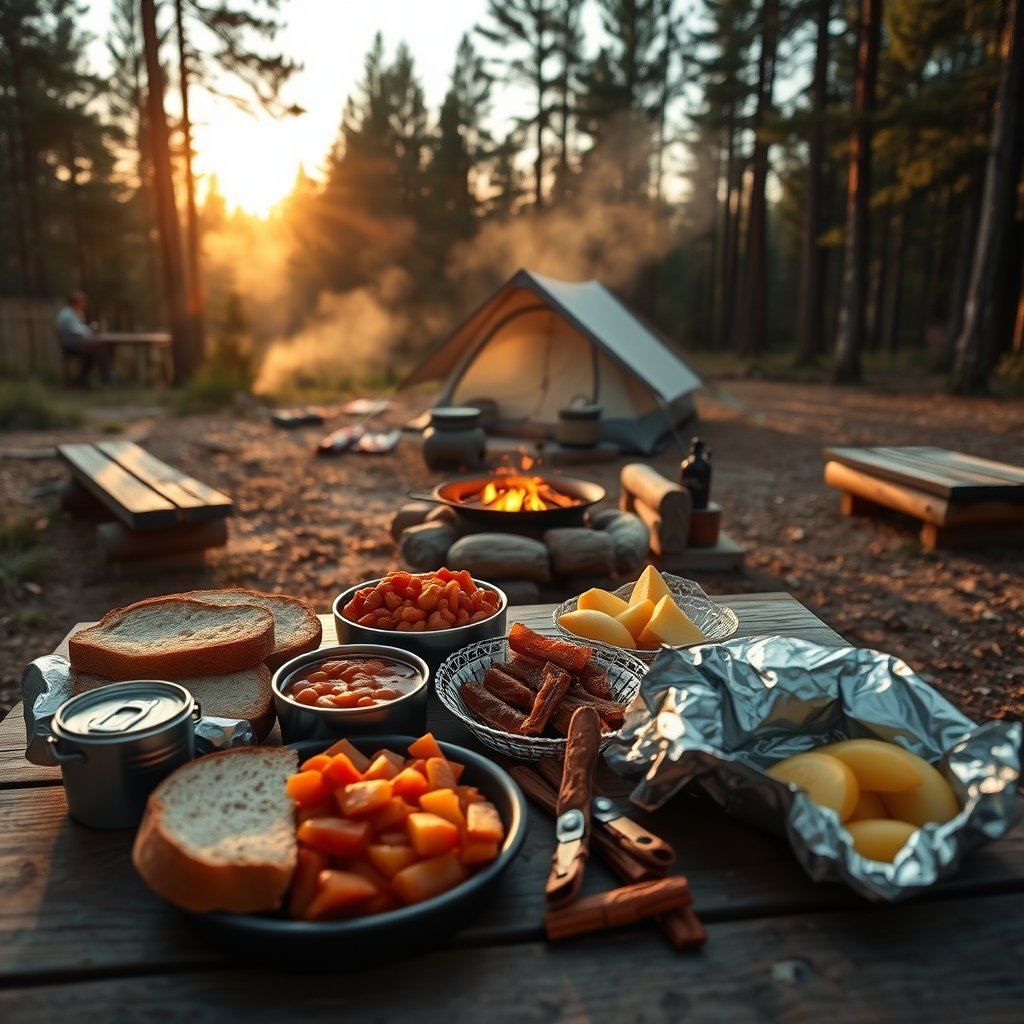
Typical meals include:
- Oatmeal with dried fruit and nuts
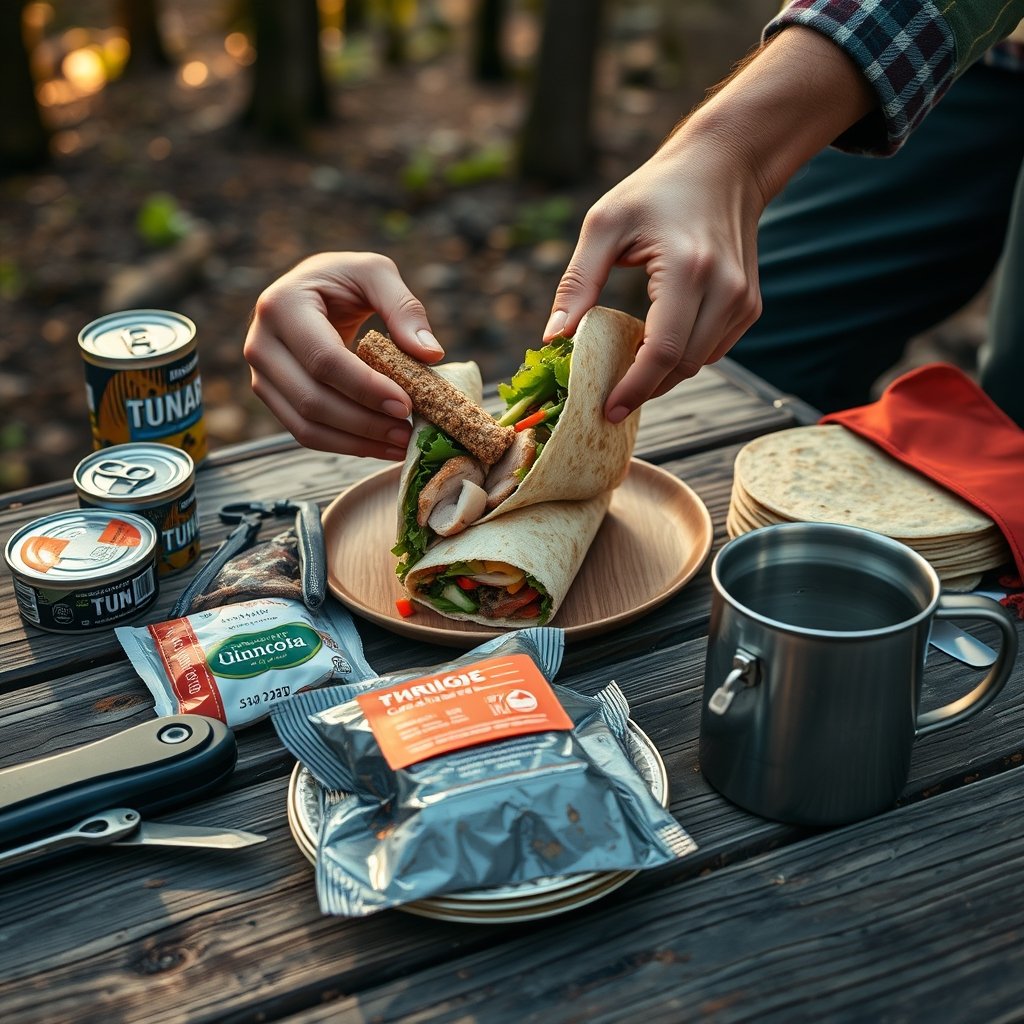
- Peanut butter and jelly or tuna sandwiches (use safe bread and canned proteins)
- Canned beans or tuna with instant rice or couscous
- Granola bars, trail mix, nut mixes for snacks
- Instant ramen, mac and cheese, or couscous as quick hot meals (source)
This approach keeps logistics simple and avoids the hassle of hauling a bulky cooler or worrying about melting ice. It’s also less messy—a plus on minimal setups, car camps, or remote trips. You can even create more elaborate dishes, like canned chili over baked potatoes, foil packet beans and rice, or trail-friendly charcuterie using vacuum-sealed sausage and pickled vegetables.
For a complete meal plan, check out these no-cook camping meal ideas and this comprehensive shelf-stable foods guide.
How to Plan and Pack No-Fridge Camping Meals (Step-by-Step)
-
Build Your Core Meal Rotation
Choose 1-2 go-to options for each meal. For breakfast: oatmeal packets with nuts or pancake mix (just add water). For lunch: PB&J, crackers with tuna or chicken, or flour tortillas with hummus and veggies. For dinner: canned chili, ramen with jerky, or instant rice bowls. Vary the proteins and flavor by adding sauces, spices, or shelf-stable cheese.
-
Shop Smart—DIY or Pre-Packaged?
pre-packaged pouches (Mountain House, Backpacker’s Pantry) average $8-15 per serving in 2024. Assembling your own with grocery staples is $2-5 per meal. If you want max convenience and minimal cleanup, grab a mix of both—but bulk DIY kits save 50% or more, especially in groups (source).
-
Focus on Nutrition for Energy
High calorie density is key (think nuts, nut butters, granola, dried fruit, canned fish and beans). Packing shelf-stable protein, healthy fats, and enough carbs for sustained energy prevents burnout. For active campers, shoot for 2,500-4,000 calories per person per day, with protein at every meal and snack.
-
Pack for Preservation
Bring foods in vacuum-sealed bags or durable pouches to avoid spoilage or squishing in your pack. Label everything to rotate meals for variety and minimize food fatigue. Water availability may limit options—bring enough for cooking grains or choose cold-soak recipes when in doubt.
-
Adapt for the Elements
For humid climates: favor vacuum-sealed and dried foods, as crackers and granola bars can go soft fast. For winter trips: prioritize calorie bombs like nut butters, jerky, and instant potatoes. Hot, dry locations let you use more rehydrated options if water is available.
For an in-depth meal prep process and more real-world tips, see this meal prep camping guide. For broader cost-saving tips and minimal gear setups, browse these camping hacks and easy camping tips.
Common Pitfalls and Real-World Solutions
Seasoned campers agree: not all no-fridge camping meals are created equal. Here’s where plans and reality often clash, with honest solutions.
- Lack of Variety: Eating the same oatmeal or instant meals daily leads to food fatigue. Mix up sauces, proteins, or experiment with ethnic flavors (e.g., shelf-stable kimchi packets or spice mixes).
- Spoilage: Soft breads, chocolate, and unsealed snacks spoil fast in heat and humidity. Stick with dense grain breads, tortillas, and vacuum-sealed sweets instead of regular chocolate bars.
- Bland Taste and Texture: Instant potatoes or rehydrated beans can be gritty. Prime them with extra spices, oil, or a cheese spread packet. A little salt and lemon or vinegar makes most meals brighter.
- Dietary or Health Issues: Canned, processed, and jerky foods are usually high in sodium. Use sparingly and balance with lower-salt beans or veggie sides. Always pack more water than you expect and bring enough for cooking grains, especially if eating salty foods.
- Budget Overruns: Pre-packed meals add up quickly. Opting for a mix of bulk DIY and one gourmet item per night can keep costs down but still give your crew a treat.
- Damaged Packaging: Poorly packed foods get crushed or leak. Use hard-sided containers for critical items, or double-bag with Ziplocs.
| Meal Type | DIY (Per Meal) | Pre-Packaged (Per Meal) | Main Pitfall |
|---|---|---|---|
| Breakfast (Oatmeal, Bars) | $1.50 – $2 | $7 – $10 | Monotony, low flavor |
| Lunch (Tuna/Wraps) | $2 – $4 | $8 – $12 | Bread gets soggy, crushed |
| Dinner (Chili, Ramen, Rice) | $2.50 – $5 | $10 – $15 | High sodium, flavor fatigue |
Want more real-life troubleshooting? Check these common camping mistakes beginners make and camping checklists that can help you avoid rookie errors.
Conclusion
Planning easy camping meals no fridge ensures you’re fuelled, satisfied, and safe on every adventure—without refrigeration headaches or overspending. Focus on shelf-stable foods with enough calories and protein, rotate flavors, and adapt your setup for weather and season. Test all meals at home to avoid surprises and bring a few flavor boosters to keep morale up on long trips. Ready to upgrade your camping menu? Make your shopping list, pack smart, and enjoy stress-free meals wherever the trail takes you.
For more minimalist meal planning, check our full one pot camping meal ideas and get inspired with our cozy camping meal prep guide.
Frequently Asked Questions
What foods last the longest without refrigeration on a camping trip?
Dried grains, canned proteins (tuna, chicken, beans), jerky, nut butters, and hard cheeses are safest for week-long trips. Dehydrated and vacuum-sealed meals typically last months if kept dry and sealed.
How do I keep bread or tortillas fresh for 3+ days without a cooler?
Choose dense rye, ciabatta, or vacuum-sealed tortillas. Store them in airtight bags away from moisture and direct sun. Avoid soft sliced breads, which go stale or mold quickly in humid conditions.
Are canned or pre-packaged camping meals better?
Pre-packaged meals save packing time and water but cost much more. DIY canned/tinned or grocery meals require more prep but cost 50–70% less. A mix of both gives flexibility and variety.
Is it possible to have vegan or high-protein meals with no fridge?
Yes. Try lentil-hummus wraps, shelf-stable tofu, roasted chickpea snacks, or nut butter and oat bars. Add vegan jerky or protein-rich grains like quinoa and couscous, all of which keep well without cooling.
What’s the safest way to pack high-calorie, high-fat foods for winter camping?
Use vacuum-sealed nut butter pouches, hard cheeses, shelf-stable jerky, and dehydrated meals with oil packets. Calorie bombs like pemmican or energy bars are a staple for cold weather trips.