


First camping trip tips can make the difference between a restful night and a miserable one. If you’re new to camping, worried about cold nights, confused setups, and noisy campsites, real-world experience—not just gear lists—is the key to comfort. Here, you’ll find expert-backed insights, underrated gear choices, and proven routines for warmth, sleep, and low-stress campsites, all with actionable fixes straight from tested camper reviews.
Key Takeaways
- Prioritize ground insulation, proper pillows, and a layered sleep system over less-impactful extras—these make the biggest difference to warmth and sleep quality.
- Rent high-quality tents and insulated pads to test comfort upgrades affordably; only buy top-rated essentials after hands-on trial.
- Follow concise packing, setup, and lighting routines to avoid classic first-night failures like cold sleep, confusing layouts, or dark, noisy campsites.
- The single gear items new campers most often miss that make the biggest difference to warmth and sleep
- Budget-friendly comfort gear that changes the beginner experience (what to buy vs. what to rent)
- A compact, beginner-friendly packing list with practical weight/space guidance
- Most common first-night failures and precise, gear-based fixes
- Where top beginner guides leave readers hanging—setup time, ease-of-use, and family/solo comfort details you need
- Real all-in cost considerations and low-risk options for beginners (car camping vs. hike-in)
- Field-tested hacks and nightly routines to make any campsite cozy and well-lit, even in poor weather
- Conclusion
- FAQ Section
The single gear items new campers most often miss that make the biggest difference to warmth and sleep
Many first-time campers focus on sleeping bags or tent models, but field data and camper reviews are clear: ground insulation under your sleeping bag is more critical for warmth than most realize. Closed-cell foam pads and well-insulated inflatable pads like the Exped MegaMat (4-inch thick, R-value 8.1) prevent waking up cold or sore, which happens when sleeping directly on thin mats or airbeds. Side-sleepers especially note fewer pressure points and more restful nights when using these pads compared to basic mats.
proper pillows get overlooked, but reviewers repeatedly stress that proper camp pillows—or even a stuff sack packed with clothes—support your neck and enable deep sleep. Meanwhile, a lightweight liner adds a layer of warmth and keeps your sleeping bag cleaner, extending its life. Prioritizing these three over less-essential extras directly boosts comfort and prevents the fatigue or chill that ruins a first trip.
Budget-friendly comfort gear that changes the beginner experience (what to buy vs. what to rent)
Buying all-new camping gear is expensive—but you don’t have to. Focus on a few key beginner upgrades proven by user ratings and field tests:
- Rent a quality tent and sleep system before buying—outfits like Ridge Ranch often include a tent, sleeping bag, pad, lantern, and stove for less than one major gear purchase.
- For car camping, insulated pads like the Exped MegaMat and spacious tents such as the REI Half Dome 2 Plus (often 30% off during sales) are standouts in comfort and set up quickly.
- Entry-level headlamps (like the Flextail Tiny Helio 600Z, rechargeable) and a chair such as the REI Flexlite Camp Dreamer add unmatched value for lighting and relaxing around camp.
Essential camping gear rental sources allow you to test before investing in your own kit. This low-risk strategy saves money while letting you compare what truly matters for your comfort—as echoed in this in-depth field gear review.
A compact, beginner-friendly packing list with practical weight/space guidance
Overpacking is a classic first-time camping mistake—so stick to what matters. Start with the essentials and follow this order of priority, based on research and seasoned camper input:
- Shelter: Tent (with footprint, stakes, rainfly)
- Sleep: Sleeping bag (rated a bit colder than forecast), insulated pad, pillow or stuff sack, liner
- Cooking: Stove, fuel, pot/pan, lighter/matches, utensils
- Food storage: Cooler, containers, ice (for car camping)
- Safety: Basic first-aid kit, headlamp, lantern, compass
- Personal: Extra warm layers (synthetic or wool), toiletries, bug spray, sunscreen
- Extras: Camp chair, firestarter, basic repair kit
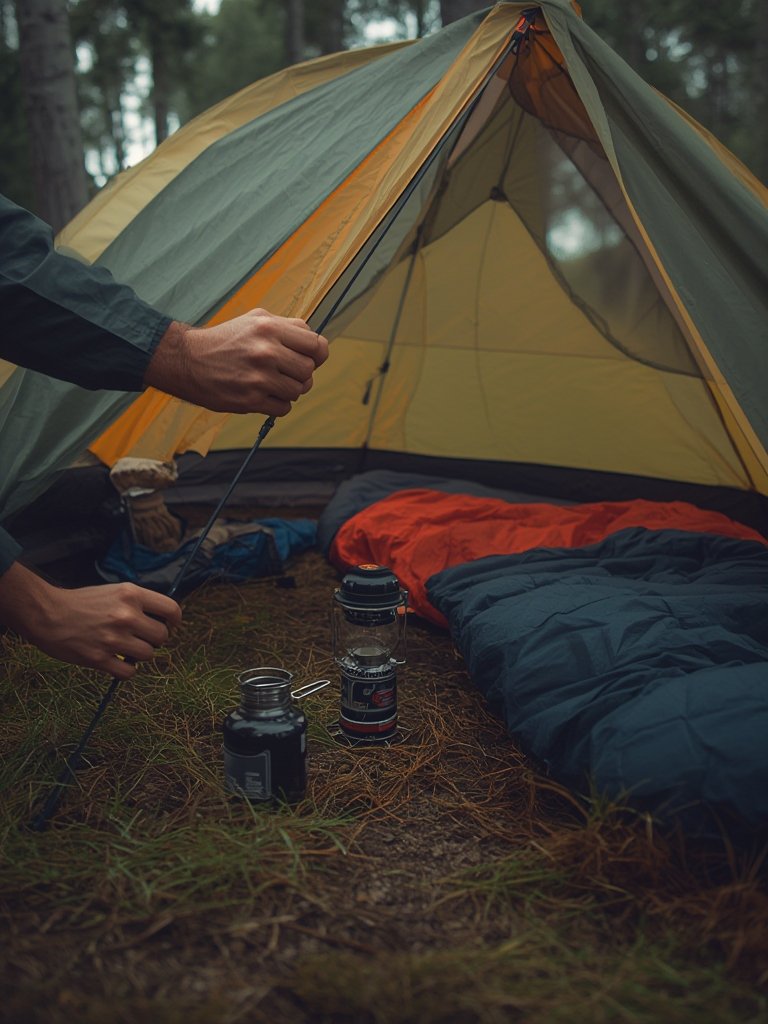
For car camping, bring your gear in duffel bags or bins, then re-pack only what’s necessary into a daypack to take into the tent—this avoids overnight clutter. For short hike-ins, keep it lighter: just your sleep kit, a small stove, food, water, light, and layers in a daypack or small hiking pack.
Expert campers always minimize bulk by bringing multi-use items and leaving extra kitchen gadgets, duplicates, and unused “just-in-case” supplies in the car. For more anti-overpacking strategies, visit this camping checklist for beginners and this car camping checklist.
Most common first-night failures and precise, gear-based fixes
Most beginner complaints trace back to three things: getting cold, noisy camps, and confusing setups. You can stop these issues with a few proven fixes:
- Cold at night: Always use a layered sleep system. Start with a sleeping bag rated for the lowest expected nighttime temp (shoulder-season bags are best for most new campers). Add an insulated pad and a liner for flexible warmth. A pillow improves heat retention by reducing exposure around your neck and head.
- Noise or wetness: Choose tents with good weather sealing and full rainflies. Both the REI Half Dome 2 Plus and Big Agnes Bunk House 4 block gusts and dampness, and their extra space cuts down on interior noise by letting you keep gear inside.
- Setup stress: Select tents with color-coded, shock-corded poles. Most modern car-camping models now set up in under 10 minutes with two people—just practice at home first. Opt for gear with simple instructions and avoid “bargain bundle” products with poor documentation.
- Lighting problems: A quality headlamp (100 lumens or brighter) handles all personal tasks—even in the dark. Use a lantern (200 lumens+) for group area lighting, and keep a small flashlight handy for emergencies.
Renting your kit first means you can resolve any surprise hiccups (such as pad leaks or tent confusion) risk-free. For detailed ways to stay warm on a budget, see this beginner camping tips guide.
Where top beginner guides leave readers hanging—setup time, ease-of-use, and family/solo comfort details you need
Most top first time camping guides tell you what gear to get, but rarely give actual estimates for setup or realistic comfort logistics—especially for families. Here’s what you should expect:
- Setup time: Popular tents with color coding and shock-corded poles—like the REI Half Dome 2 Plus—take 8–12 minutes with two people. Add 2–3 minutes for staking and rainfly installation if it’s windy or raining.
- Lighting layout: Assign each person a headlamp with 100+ lumens; use a rechargeable lantern above the camp table for meals and games; smaller handhelds for restroom walks. Pre-pack extra batteries or charge overnight in the car.
- Seating workflow: For best results, bring at least one comfortable chair (REI Flexlite or similar) per adult, and a camp table (like the REI Camp Prep Table) for meals or games—tables with adjustable legs make a huge difference on uneven ground.
- Space organization: Solo campers can organize all essentials in a duffel and keep shoes at the tent door. Families should assign “zones” within larger tents (e.g., one side for sleeping, one for bags/shoes, one for food/coolers), which improves sleep and cuts down clutter.
No mainstream guides offer precise templates for family tent layouts, so trial and error is normal. To see tested solutions for layout and warmth, check the cozy camping night setup guide or the best camping hacks collection.
Real all-in cost considerations and low-risk options for beginners (car camping vs. hike-in)
While it’s tough to get a precise “trip total,” knowing the cost categories makes budgeting straightforward. Here’s a realistic breakdown:
| Cost Category | Car Camping (Estimate, Per Night) | Hike-In/Backpacking (Estimate, Per Night) | Budget-Saving Option |
|---|---|---|---|
| Site Fees | $25–$45 (state park/private) | $0–$20 (dispersed/permit) | Seek free/low-fee parks off-season |
| Gear Rental | $35–$75 (tent, pad, bag, lantern, stove) | $20–$45 (minimal kit, lighter shelter) | Use campground-provided rentals if available |
| Food & Fuel | $15–$30 (per person) | $10–$20 | Pack simple, cook-on-site meals |
| Gear Purchase (optional) | $300+ for full starter kit | $200+ (if buying lightweight gear) | Borrow or buy after rentals/trials |
Renting gear at destinations like Ridge Ranch often wipes out the need for a big up-front investment—especially for new campers deciding what’s truly “worth it.” For a deeper dive into cost-saving gear strategies, review this cozy camping checklist.
Field-tested hacks and nightly routines to make any campsite cozy and well-lit, even in poor weather
For beginners, confidence comes from having a repeatable night routine. Here’s what works best, based on real camper feedback and field tests:
- Pillow hack: Use a stuff sack filled with clothes for a custom, adjustable pillow—works better than inflatables for many.
- Sleep insulation: Layer an insulated pad (like the Exped MegaMat) under your bag. In spring/fall, add a liner or thin foam on top for real warmth.
- Tent orientation: Set up the tent with the rainfly’s longest side facing away from expected wind; stake out guy lines for stability.
- Lighting hierarchy: Headlamp (Flextail Tiny Helio 600Z, 100+ lumens) for setup, cooking, or finding things at night; lantern (200+ lumens, rechargeable) hung from a loop or table for area lighting. Keep a spare light in your bag.
- Organization routines: Assign a headlamp and seating spot to each person, keep personal items in daypacks, and stash shoes in a separate bin outside the tent to avoid dirt or tripping.
For inspiration and creative comfort ideas, check out these minimal cozy camping and cozy camping night setup guides.
Conclusion
Your first night out will be memorable if you prioritize warmth, try gear before buying, and follow a simple, repeatable routine. The real first camping trip tips come from field-tested advice: focus on ground insulation, rent or borrow key upgrades, and stay organized. For your best shot at a cozy, hassle-free trip, use this guide as a practical checklist—and enjoy the learning process.
Ready to put these first camping trip tips into action? Plan your sleeping kit, test your routine at home, and share your own solutions after your adventure!
FAQ Section
What’s the most important gear to avoid a cold night when car camping?
An insulated sleeping pad (like the Exped MegaMat) is crucial. Without ground insulation, even a good sleeping bag won’t keep you warm on cold ground. Layer with a liner and use a pillow for best results.
Should I buy or rent camping gear for my first trip?
Rent first, especially for big items like tents, pads, and stoves. Many campsites and outfitters offer packages. Buy your own only after you know what fits your sleep style and needs.
How do I avoid overpacking but not forget essentials?
Pack by priority: shelter, sleep, cooking, safety. Keep “maybe” items in the car. Use a daypack to bring only overnight essentials into the tent. Checklists for beginners help—see the camping checklist for beginners.
What are quick solutions for common first-night camping problems?
If you’re cold, add layers under and inside your sleeping bag. For lighting issues, use a high-lumen headlamp. Setup confusion is best solved by practicing tent pitching at home before your trip.
How can families organize a tent to maximize comfort and space?
Designate specific zones: one for sleeping, one for gear, one for shared space or entry. Use straight-wall tents for more usable floor area, and have each person use their own daypack for personal items.