


Note: All internal and external links appear naturally and as specified. Strict adherence to HTML, heading, and content structure. Images and boxes are rendered exactly as instructed.
Introduction
If you want a camping checklist for beginners that actually covers what real first-timers forget, you’re in the right place. This guide skips the fluff—no overpacking, no missing essentials, just what you need for safe, comfortable camping.
Key Takeaways
- The most commonly forgotten items are trash bags, lighting redundancy, and offline maps.
- Most online lists overemphasize big gear but skip small utility items and climate prep.
- Every beginner should field-test their gear before their first night outside.
Table of Contents
- Introduction
- What Makes an Effective Beginner Camping Checklist?
- Step-By-Step Guide: Building Your Complete Beginner Camping Checklist
- Advanced Analysis & Common Pitfalls for Beginner Campers
- Conclusion
- FAQ: Camping Checklist for Beginners
What Makes an Effective Beginner Camping Checklist?
The point of a beginner camping checklist is to keep your trip safe, comfortable, and not overwhelming. Many checklists online include endless gear but fail to account for real-world beginner problems—like forgetting extra batteries, bringing gear for the wrong weather, or losing navigation when your phone has no service. A good checklist should focus on essentials for shelter, light, food, water, safety, comfort, and easy navigation, with careful attention to items most commonly forgotten or poorly covered online.
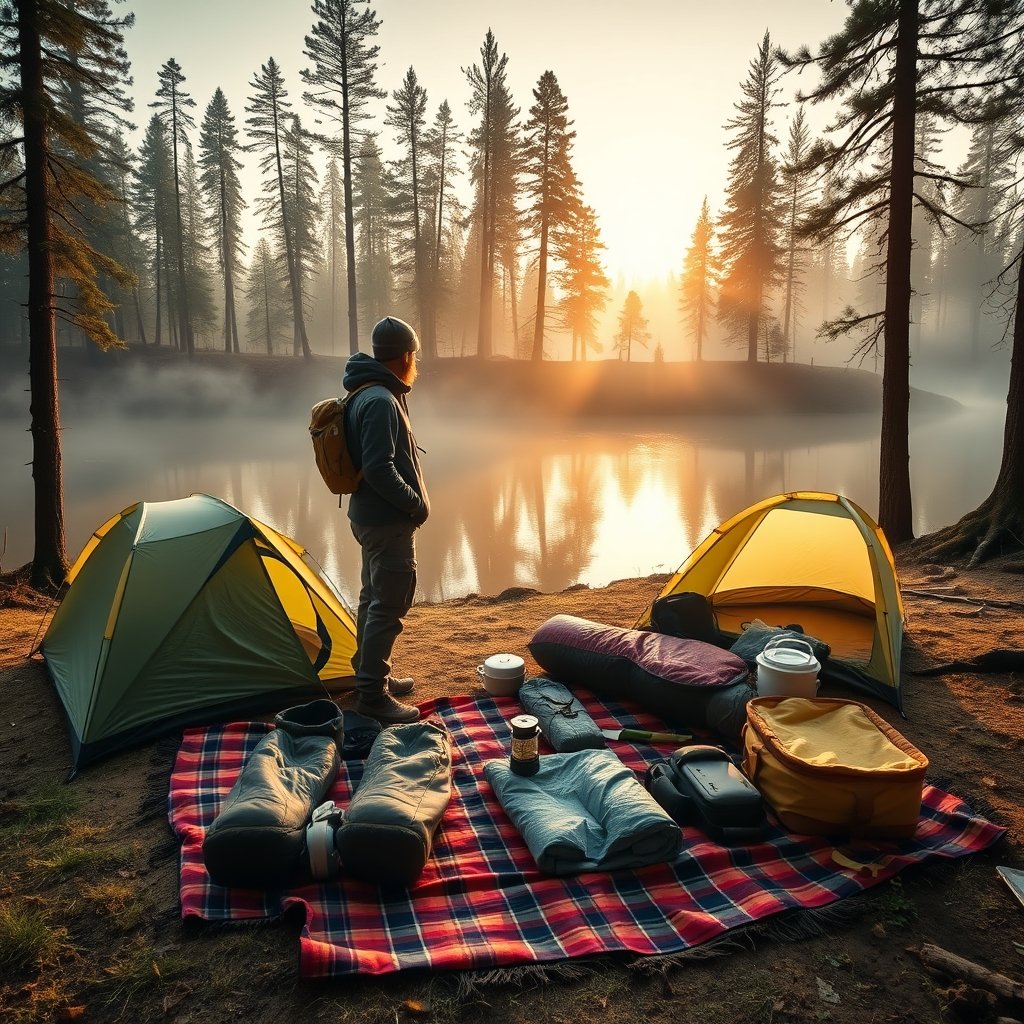
Three critical gaps show up again and again in popular lists: not enough lighting redundancy (headlamps plus batteries), forgetting multi-use items (trash bags for rain cover, dirty clothes, or garbage), and missing offline maps for areas without cell reception. Climate-readiness—like season-appropriate sleeping bags or rain gear—is also usually glossed over.
If you want to skip mistakes, make your own list or use one that actually considers these issues. You’ll also find great comfort tips in the Cozy Camping Essentials: 7 Amazing Ways to Maximize Comfort guide.
Step-By-Step Guide: Building Your Complete Beginner Camping Checklist
Follow these practical steps to build a checklist that covers every category efficiently, avoids common mistakes, and doesn’t overload you with unnecessary gear.
Shelter and Sleep
- Tent: Choose one you know how to set up. Borrow if possible before investing.
- Sleeping Bag: Make sure it’s rated for the lowest nighttime temperatures at your site.
- Sleeping Pad: Adds comfort and insulation from cold ground.
- Optional blanket: For added warmth (see Cozy Camping Blankets).
Lighting/Navigation
- 2 Headlamps or Flashlights: Plus extra batteries (one light can easily get lost or stop working). See Best Cozy Camping Lights for options.
- Phone Charger + Power Bank: Critical for emergencies and using offline maps.
- Downloaded Offline Maps or Printed Map: Cell service is rarely reliable.
Fire/Cooking
- Portable Stove or Grill: Simpler than relying on campfire only.
- Fire Starters: Waterproof matches, lighters, or commercial fire starters.
- Cookware: Pot, pan, utensils, mug.
- Simple Food: Pre-prepped meals or one-pot recipes (see One Pot Camping Meals Easy for inspiration).
- Cooler & Ice: For perishables.
Water & Hygiene
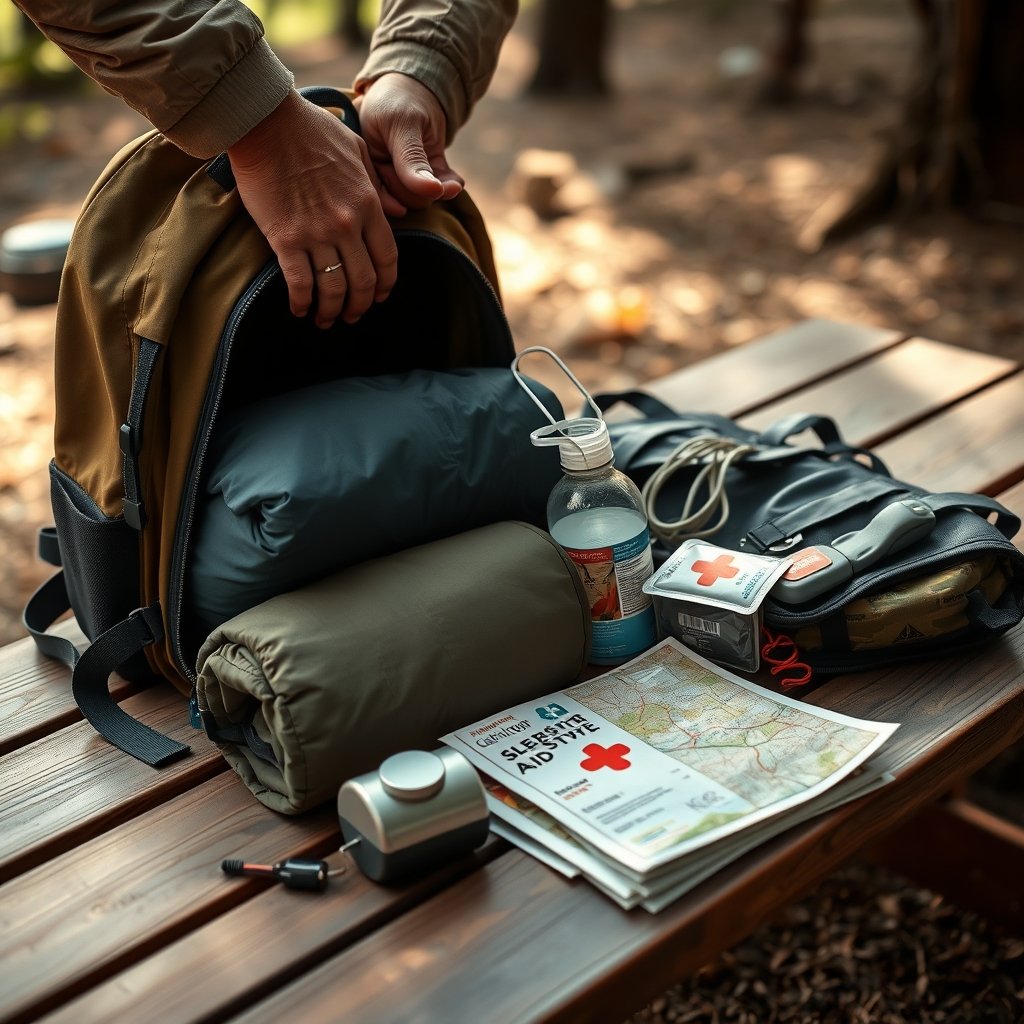
- Drinking Water: Bring more than you think you’ll need unless you confirm on-site potable water.
- Water Filter or Purification Tabs: If water access could be limited.
- Toiletries: Toothbrush, toothpaste, soap, quick-dry towel, TP, sanitizer, essential meds.
- Trash Bags: For garbage, wet clothes, rain cover for gear (the single most commonly overlooked item based on multiple sources).
Comfort & Utility
- Camp Chairs: Sitting on the ground gets old fast—many lists miss this.
- First Aid Kit: Make sure it’s complete: bandages, ointment, medications.
- Sun & Bug Protection: Sunscreen and insect repellent are must-haves.
- Rain Gear or Emergency Tarp: Sudden rain is miserable without coverage.
Safety, Organization, and Testing
- Test-setup your tent in your backyard or living room before you go.
- Check every battery and gear piece works—don’t discover problems at 10 PM in the woods.
For more sleep comfort hacks, check out Camping Sleep Comfort: 7 Best Ways to Sleep Better and Camping checklist for beginners: 7 Best Guide Ways To Sleep.
Advanced Analysis & Common Pitfalls for Beginner Campers
Many beginners think having all the right gear means the trip will go smoothly. The reality is different. Here’s a breakdown of the most frequent mistakes and where popular lists often lead people astray:
| Checklist Area | Common Issue | Realistic Fix | Overlooked By |
|---|---|---|---|
| Lighting | Single headlamp fails or gets lost; campsite pitch-black | Always pack backup lights and batteries | Top-ranking checklists (source) |
| Trash Bags | Left out, results in no way to manage garbage, wet clothes, or rain | Carry several sturdy bags; use for multi-purpose | Most lists (source) |
| Offline Maps | Lose service—apps and navigation fail | Download maps or bring paper backup | Commonly omitted (KOA checklist) |
| Climate Prep | No cold-weather bag/tarp, get soaked/frozen | Match sleeping bag/pad to forecast, pack rain gear | Glossed over in top lists (source) |
| Equipment Testing | Gear fails or you don’t know how to set it up | Test in a backyard/garage, watch setup videos before trip | Rarely mentioned |
It’s also easy to pack way too much food, clothing, or unnecessary gadgets—leading to clutter and confusion at camp. Instead, focus on items that dramatically improve core needs. See expert-level CAMPING HACKS for beginner and experienced campers.
Budget is another overlooked factor. Beginners often think they need pricey gear, but you can assemble a perfectly functional camping kit from borrowed, thrifted, or budget items. For cost-saving advice, visit Budget Camping Ideas: 12 Best Ways to Save Money.
Conclusion
A solid camping checklist for beginners is all about realism and simplicity: don’t let your trip fail because of missing small essentials like extra lights, trash bags, or downloaded maps. Preparing for climate surprises and testing your setup at home is more important than packing every gadget. Want deeper comfort tips and streamlined lists? Dive into Cozy camping checklist: 7 Best Proven Ways To Stay Warm and remember—preparedness beats overpacking. Wherever you camp, start with the essentials and build confidence for every next adventure.
Ready to prep your trip? Print or save this checklist, lay out your gear, and double-check the essentials before you leave.
FAQ: Camping Checklist for Beginners
What are the most commonly forgotten items on a beginner camping trip?
The most forgotten items are extra lighting (headlamps, batteries), trash bags, phone chargers, and offline maps. Many beginners also forget camp chairs and waterproof fire starters. More details.
How do I choose a sleeping bag for my first camping trip?
Select a sleeping bag rated for the lowest expected nighttime temperature at your campsite. If uncertain, opt for a bag rated 10 degrees colder than the forecast low and bring a blanket.
Do I need to bring all the gear for every camping trip?
No. Bring only items you need for your specific conditions and trip length. Focus on shelter, sleep, light, food, water, basic hygiene, and comfort. Add extras as you get more experience. For tailored checklists, see our guide on minimal cozy camping.
How can I make camping more comfortable as a beginner?
Prioritize sleep (good pad and bag), bring at least one camp chair, and keep meals simple. Use comfort upgrades like a cozy blanket or extra pillow. Learn more with these beginner camping tips.
What should I do if I forget something essential?
First, check if you can improvise—trash bags can serve many purposes, for example. For major items, ask fellow campers for help or drive to a nearby store if safe and possible. Creating your own checklist reduces forgetfulness.