


### Blog Post:
Budget car camping makes exploring the outdoors affordable, practical, and accessible—even if you’re starting from zero gear or experience. If you want to sleep comfortably in your car or set up a campsite without draining your wallet, this simple guide shows you exactly how to spend less, avoid rookie mistakes, and make the most out of every dollar for quick weekend escapes or longer road trips.
Key Takeaways
- It’s possible to start car camping for less than $100 by renting gear and borrowing essentials.
- Focus on incremental gear purchases and free camping locations to keep costs low.
- Choosing trusted budget brands like Coleman increases reliability without overspending.
- What is Budget Car Camping and Why Do It?
- Step-by-Step: How to Car Camp on a Budget
- Advanced Analysis & Common Pitfalls
- Conclusion
- Frequently Asked Questions
What is Budget Car Camping and Why Do It?
Budget car camping is a smart approach to exploring nature without huge upfront investment. Instead of splurging on high-end gear, you prioritize acquiring only the true essentials—tent or shelter, sleep system (pad plus sleeping bag or blankets), and a basic cook system—then upgrade over time as your needs evolve. This method is about stretching every dollar, choosing practical, reliable equipment, and making camping trips more frequent instead of rare splurges.
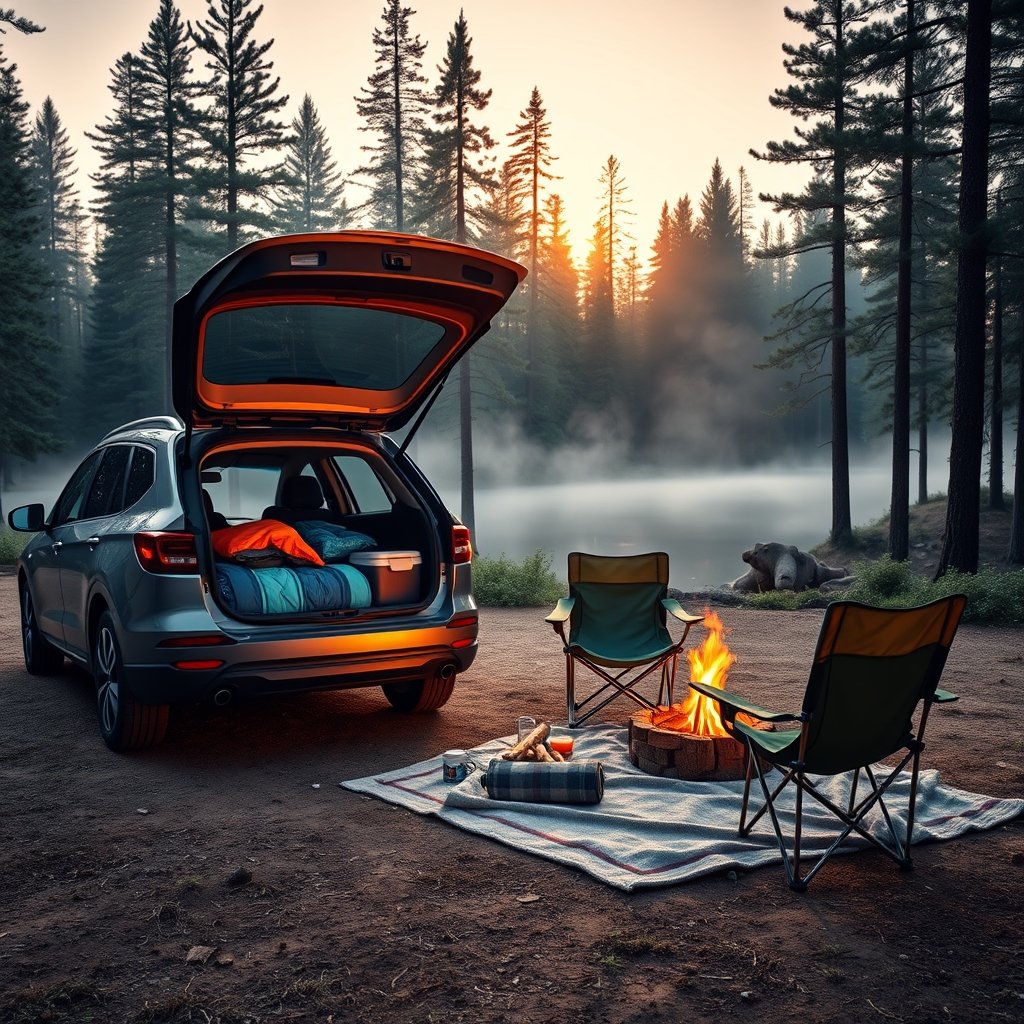
Car camping lets you use your vehicle as a base—either for sleeping or simply hauling more gear—so you aren’t restricted by backpack weights or complex setups. For many, the draw is flexibility: you can camp at established campgrounds or venture onto free public land. Most importantly, anyone can start, even with minimal gear and cash.
Most beginners assume you need to buy all new gear at once. In reality, you can start car camping with less than $100 by renting from places like REI, borrowing from friends, and prioritizing just a handful of items. As you build your confidence and experience, you can invest in better equipment or explore more advanced tips like those in these proven camping hacks.
Step-by-Step: How to Car Camp on a Budget
Getting started with budget car camping doesn’t require a shopping spree. Here’s a clear, practical step-by-step breakdown:
-
Start with the Essentials Only
- Focus on what you actually need to sleep warm and dry: tent or shelter, sleep system (pad plus sleeping bag or blankets), and a basic cook system.
- Borrow gear or rent from an outdoor retailer for the first trip. Many public libraries now also rent out camping gear at little or no cost.
-
Choose Cost-Saving Locations
- Camp for free on BLM or National Forest land where permitted—no fees and wide-open space.
- Use apps and websites to verify areas where overnight car camping is legal. Avoid surprise tickets or midnight disturbances.
-
Build Your Kit Slowly and Smartly
- Buy used gear when possible. Watch for seasonal sales and clearance items. Start with proven budget-friendly brands like Coleman for reliability.
- Upgrade only when you know what comfort features matter most.
-
Don’t Overload on “Nice-to-Haves”
- Avoid buying luxury gear right away. Add accessories like chairs or special utensils later, once you’ve learned your real needs.
-
Plan Simple Meals
- Choose meals that keep well and don’t require special tools or refrigeration.
- Use a basic propane stove or even a campfire if regulations allow. A classic Coleman stove is reliable and under $50.
- Read more about frugal meal solutions in this budget camping guide.
-
Stay Organized and Minimal
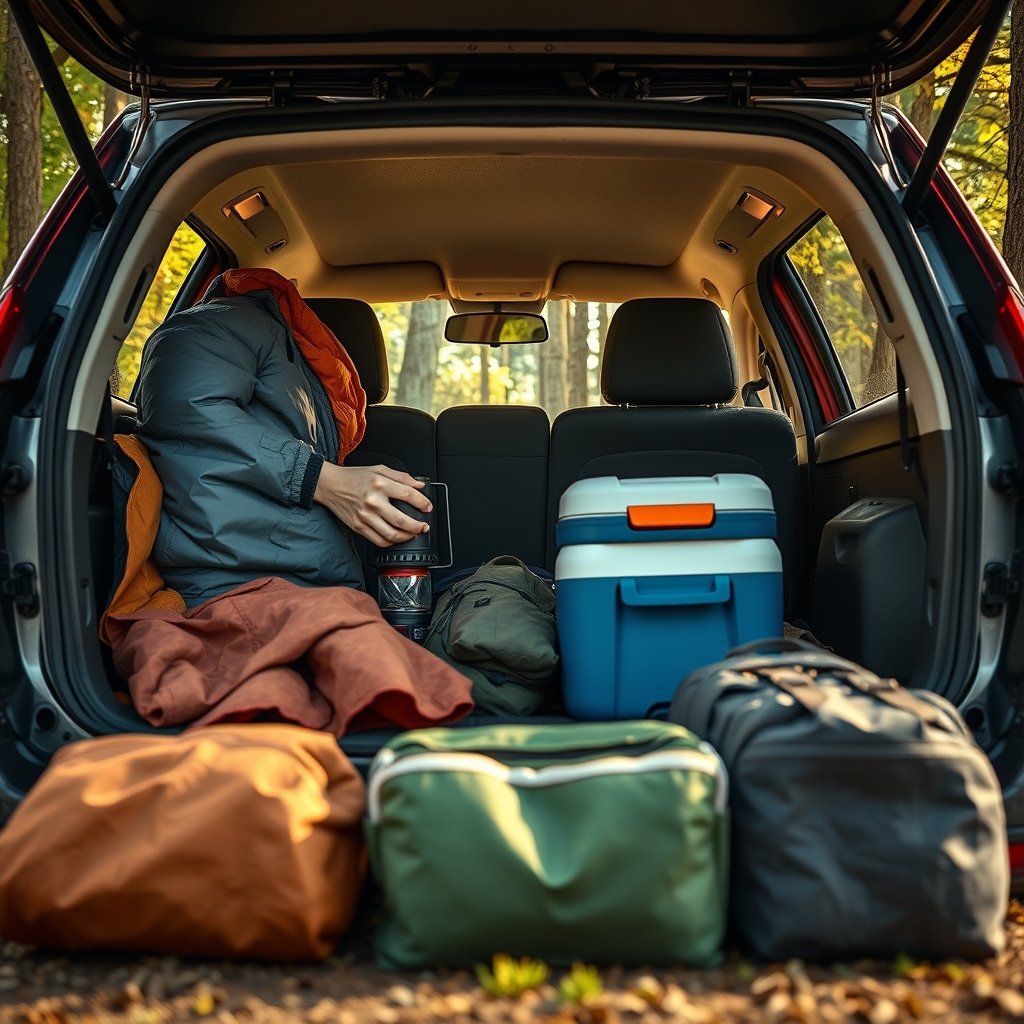
- Keep gear in stackable bins so you can easily pack, unpack, and find essentials quickly.
- Make and use a checklist before every trip. Try this car camping checklist to avoid forgetting basics.
For those seeking upgrade ideas without breaking the bank, review affordable gear options that stand up to repeat use.
Explore additional comfort strategies—like layering blankets, using weatherproof tarps, and packing a lightweight sleeping bag—by checking out the cozy camping on a budget guide.
Advanced Analysis & Common Pitfalls
Many first-time budget car campers run into blind spots that can wreck a trip or drive up costs. Here’s what to watch for, plus brand and gear comparisons based on recent research data:
Common Pitfalls
- Trying to Buy Everything Upfront: There’s no need to rush. Renting or borrowing allows you to learn what really matters before wasting cash on gadgets you won’t use.
- Overlooking Free Campsites: Private campgrounds in popular areas may charge $30–$60 per night. Savvy campers use resources to locate legal, free spots—usually on public land—making road trips far more affordable. Learn more in this external guide.
- Underestimating Weather Changes: Many budget tents and sleeping bags offer minimal insulation or waterproofing. Always check if your shelter and bedding can handle the coldest or wettest nights expected—not just “average” conditions.
- Skipping Equipment Testing: If you rush into the wild with new or borrowed gear, test it in your driveway or yard first. Discover leaks, awkward setups, or missing stakes before you hit the road.
- Ignoring Legal Limits: Stealth camping or parking where it’s not allowed can lead to tickets or disturbances. Always verify overnight parking rules before you settle in.
Reliable Budget Brands: At a Glance
| Brand | Typical Price Range | What It’s Good For | Notable Weakness |
|---|---|---|---|
| Coleman | $40–$160 | Tents, stoves, coolers, lighting | Bulky; not ultralight |
| REI Co-op | $100–$500 | Higher-quality tents, sleeping bags | Upfront price may be high on some items |
| NEMO | $200–$350 | Premium sleeping pads, bags | Not budget-priced, but top value for upgrades |
| GSI Outdoors | $40–$120 | Cooksets, camp stoves | Some cookware small for groups |
What’s Missing from Most Guides?
- Water Management: Most guides skip practical water storage and purification advice. Always carry at least 2 gallons per night per person, plus a backup filter or chemical treatment—especially when boondocking.
- Food Safety for Longer Trips: Budget coolers may not keep perishables cold for days. Stick to shelf-stable foods unless you can replenish ice or bring a heavy-duty cooler.
- Weather Adaptability: Budget tents can struggle in heavy rain or wind. Add an inexpensive ground tarp beneath your tent to prevent puddles and condensation.
Conclusion
Budget car camping is about maximizing fun and adventure without overextending your finances. Focus on renting or borrowing the basics, camping for free when possible, and prioritizing proven brands like Coleman for your starter kit. Learn from each trip, refine your checklist, and keep it simple. Ready for your next adventure? Start small, use this camping checklist for beginners, and remember: budget car camping makes outdoor escapes possible for almost everyone. Get out there and try it—you’ll improve your setup every time you go.
For even more insider tips, discover easy camping strategies for beginners and make your first trip a success.
Frequently Asked Questions
How cheap can you actually start car camping?
With rentals and a few borrowed basics, you can start camping for under $100. Renting a tent, sleeping system, and basic cookware for a weekend costs less than a budget hotel stay. Over time, adding essentials used or on sale helps you build your own kit for less than $500.
What are the best budget brands for car camping?
Coleman is a top choice for tents, stoves, and coolers—reliable, affordable, and widely available. REI Co-op and GSI Outdoors also offer good value, especially when you’re ready to upgrade. For tips on affordable gear, see this comparison.
Is it legal to sleep in your car or camp for free?
Laws vary widely. Some public lands (like National Forests) allow free dispersed camping, while many towns prohibit overnight parking. Always check local regulations, camp in designated areas when possible, and respect posted signs to avoid fines or problems.
How do you camp cheaply without sacrificing comfort?
Start simple: bring a thick blanket or foam mattress, use layered clothing, and pack only what’s necessary. Small upgrades—like an inflatable pillow or insulated mug—go a long way. See these minimal cozy camping tips to boost comfort on a tight budget.
What meals work best for budget car camping?
Opt for shelf-stable foods like oatmeal, instant rice, canned beans, and hard cheeses. Plan meals that need a single pot and minimal cleanup. If you bring perishables, make sure your cooler can keep them cold or use foods that don’t require refrigeration.