


camping sleep system setup is the difference between a night of decent rest and a miserable, cold struggle outdoors. Setting up your gear with intention, instead of a mismatched bundle, makes all the difference in warmth, comfort, and sleep quality.
Key Takeaways
- Layering and integration of sleeping pads, bags, and quilts are more important than relying on temperature ratings alone.
- Overlooking ground insulation and failing to insulate your head or feet are the leading causes of cold, uncomfortable camping nights.
- Personal physiology, clothing choices, and shelter setup all directly affect the performance of any camping sleep system setup.
- The Core Concept: Why a Thoughtful Camping Sleep System Setup Matters
- Step-by-Step Guide: Building a Reliable Camping Sleep System Setup
- Advanced Analysis & Common Pitfalls
- Conclusion
- FAQ
The Core Concept: Why a Thoughtful Camping Sleep System Setup Matters
Many campers underestimate the power of a well-tuned sleep setup. Instead of treating each piece—pad, bag, quilt, and clothing—as separate items, the true secret is integrating them to maximize warmth and comfort. This means understanding how your sleeping pad‘s R-value defends against ground cold, how sleeping bag ratings only set a loose baseline, and how weather, humidity, and personal factors tip the balance.
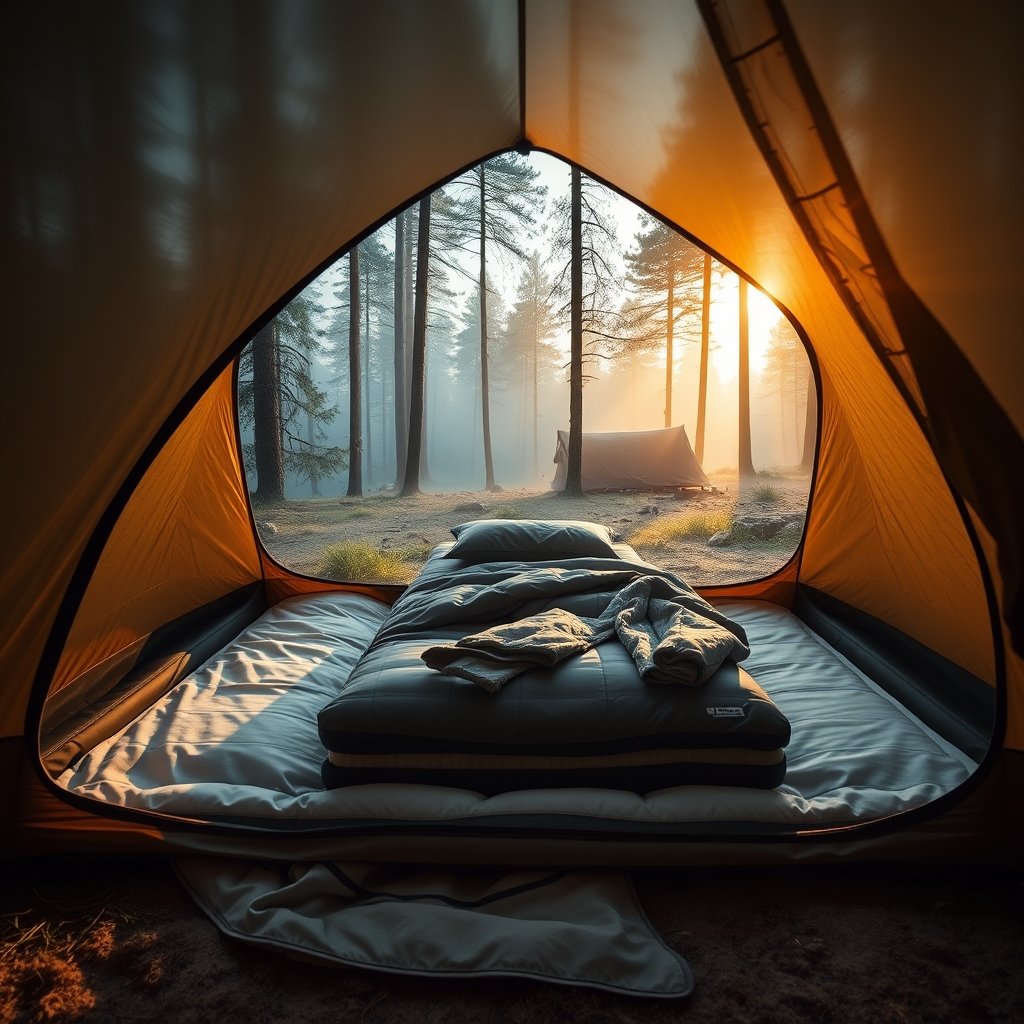
Why does this matter? Because even the best-rated sleeping bag fails if you ignore the pad beneath. Or you can boost warmth for less by layering two pads instead of wishing for a pricier sleeping bag upgrade. Head and foot insulation are equally critical, as much body heat escapes through these spots. And remember, gear lists in basic camping checklists for beginners rarely explain how to get the best result from what you’ve packed.
Step-by-Step Guide: Building a Reliable Camping Sleep System Setup
- Choose the right shelter and site. Shelters range from minimalist tarps to sturdy tents or car interiors (see cozy car camping setup). Always camp on level ground. Avoid hollows where cold air settles or spots exposed to wind.
- Select an appropriate sleeping pad and stack R-values as needed. Your pad is your first line against heat loss. For three-season camping, aim for a combined R-value of 3–4. In cold conditions, use two pads (e.g., closed-cell foam under an insulated air pad). R-values are additive: Stack a 2.0 and 3.0 to get 5.0, which can keep you comfortable in subfreezing weather (learn more about R-value stacking).
- Match your sleeping bag or quilt to real-world lows, not promo ratings. Choose a bag rated a bit lower than your expected temperature. Women’s bags often provide more warmth for cold sleepers. For flexibility, add an insulated quilt or heavy blanket—ideas covered in depth in best camping blankets.
- Layer your clothing and dry sleepwear for warmth. Change into dry base layers before bed. Add a beanie and thermal socks or insulated booties. Mil-spec advice—sleep fully clothed to dry out gear and retain heat, especially if mornings are damp (source).
- Fine-tune ventilation to balance condensation and warmth. Crack a tent vent to reduce condensation, especially in wet or cold weather. In bivies or single-wall tents, minimize breathing inside your bag to keep insulation dry.
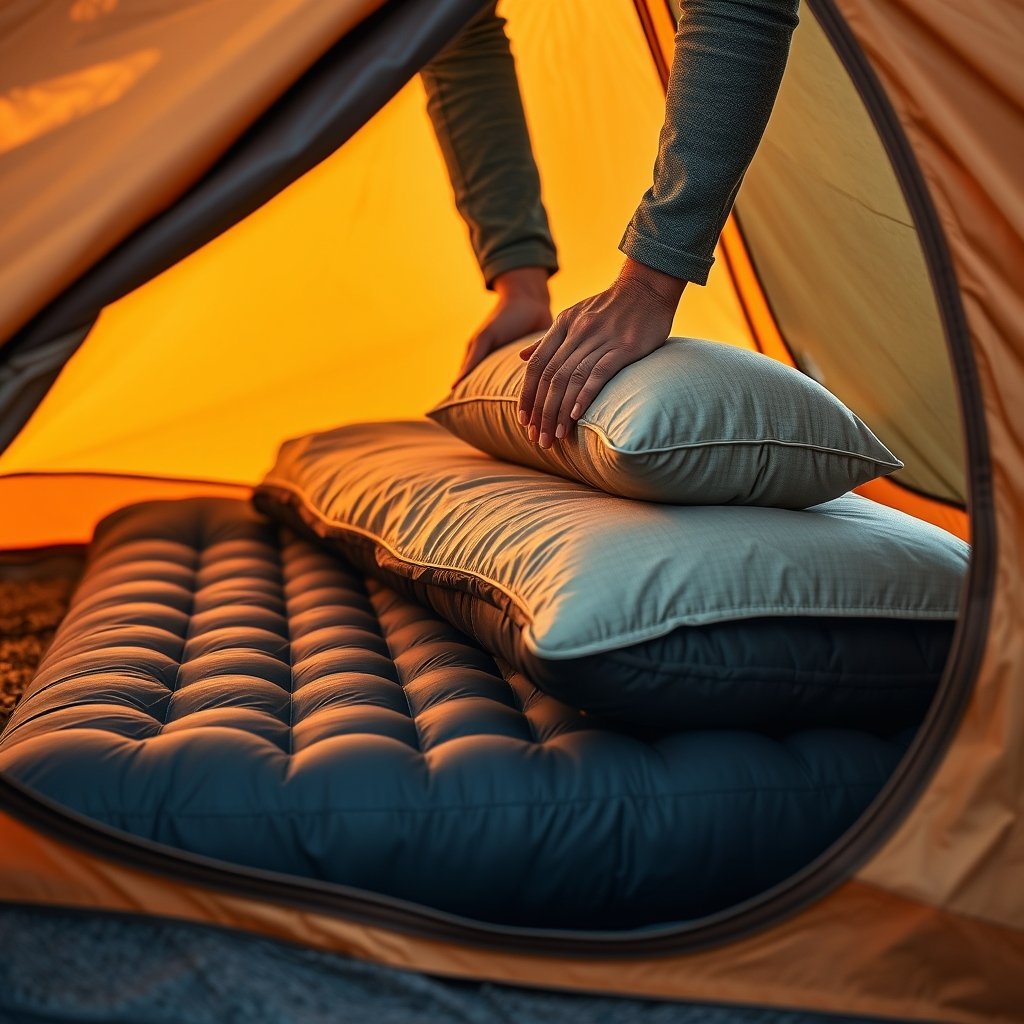
For more real-world strategies, see these minimal cozy camping sleep tips and cozy camping checklist articles that address warmth, comfort, and gear choices for different conditions.
Advanced Analysis & Common Pitfalls
The difference between a good and bad night often comes from avoidable mistakes. Based on field data and camper anecdotes, here are the most common pitfalls—and how to spot them in your own camping sleep system setup:
- Failing to insulate the ground: Even an expensive sleeping bag becomes cold if you skip an adequate pad. Compression from body weight means the insulation under you is nearly useless. Choose sleeping pads with the right R-value for your temperatures, and layer as needed (see details).
- Assuming sleeping bag ratings are guarantees: Ratings are only guidelines; factors like humidity, wind, your own metabolism, and shelter type can easily push the limits (source).
- Neglecting head and foot insulation: Failing to cover your head/feet results in rapid heat loss. Always pack a beanie and dry socks dedicated for sleeping—these are cheap, effective upgrades.
- Not personalizing for physiology: Cold sleepers need more insulation than hot sleepers. Factors like hydration, caloric intake, and age also make a difference—don’t rely solely on gear labels.
- Poor shelter ventilation: Not venting your tent leads to moisture buildup and wet, clammy insulation. Learn from common beginner camping mistakes to adjust your setup for the night’s conditions.
| Component | Specification | Details |
|---|---|---|
| Sleeping Pads | R-Value Range | Thin foam mats to R-value 9.5 (Exped MegaMat) |
| Sleeping Bags | Temperature Ratings | 30°F (mild), 10–20°F (shoulder), below 0°F (winter expeditions) |
| Sleeping Bags | Versatile Ratings | 20°F bags serve most three-season camping |
| Sleeping Bags | Gender differences | Women’s bags are typically warmer at the same rating |
Want to avoid buyer’s remorse and learn how to sleep warmer with less gear? Consider these affordable comfort upgrades for your next trip.
Conclusion
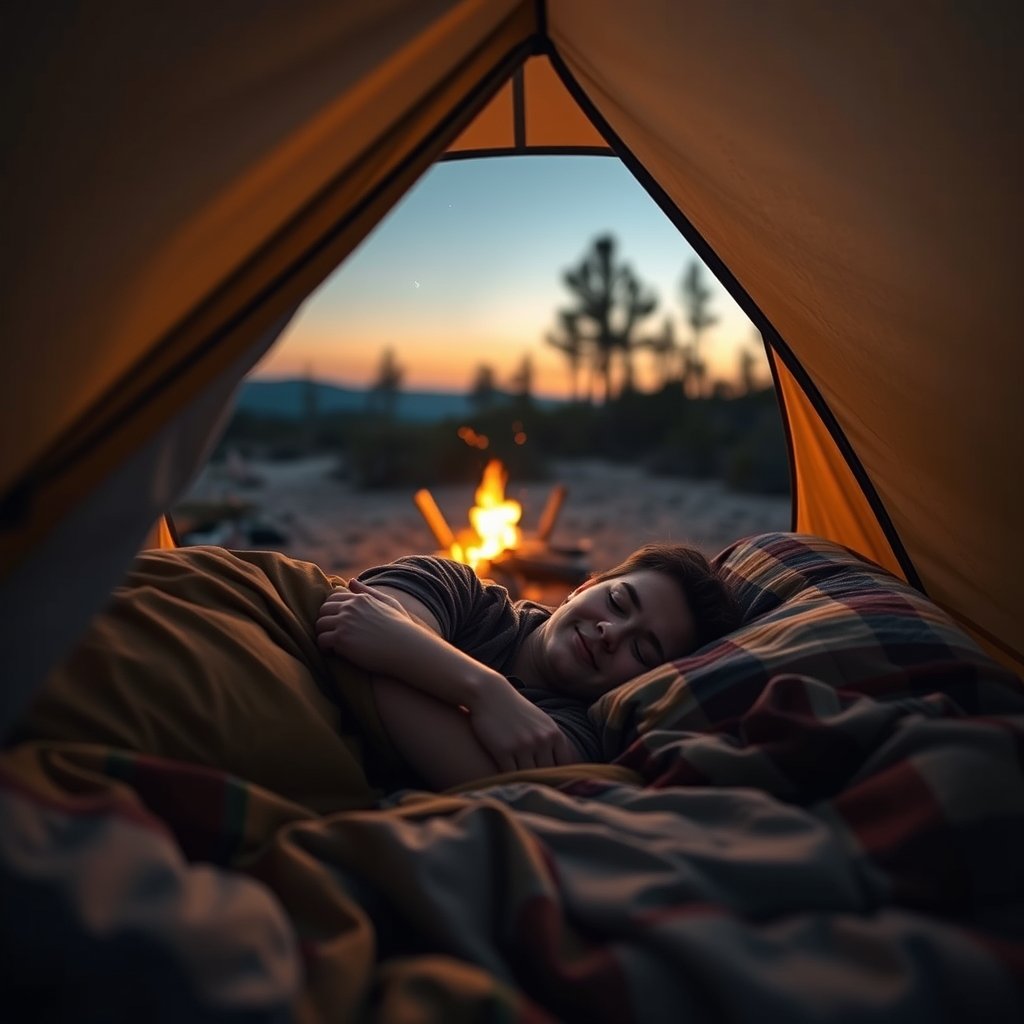
A solid camping sleep system setup is built on thoughtful layering, proper insulation for both ground and extremities, and real-world understanding of your own needs—not just the numbers on gear tags. Refine your process each trip, and you’ll sleep warmer, longer, and more comfortably in any weather. Ready to put these proven setups into practice? Assess your current kit, try stacking pads, and always prioritize ground insulation. For more hacks, browse our camping hacks and upgrade your next camping sleep system setup for maximum comfort.
FAQ
What is the most important part of a camping sleep system setup?
Ground insulation is the single most crucial part. Even the warmest sleeping bag can’t compensate for cold seeping up from below, so investing in a quality insulated pad makes an immediate difference.
Can I combine two sleeping pads for extra warmth?
Yes. R-values are additive, so stacking two pads increases total insulation. This is a proven trick for cold-weather camping without needing a specialized winter pad.
Why do my feet still get cold even with good gear?
Heat loss through your feet happens if socks are damp, tight, or not insulated enough. Always use dry, loose sleeping socks or insulated booties dedicated for sleep only, and never wear the same socks you hiked in.
Is it better to sleep in minimal clothes inside my bag or fully dressed?
Most experts now recommend sleeping in dry, full base layers. This helps your bag stay cleaner, adds thermal layers, and wicks away moisture for a more comfortable night’s sleep.
How do I reduce condensation in my tent overnight?
Ventilate by cracking a door or vent, even just a little, to allow moist air to escape. Avoid breathing into your bag or directly onto its liner. Shelter choice and ventilation are key to keeping your sleep system dry.