


### Blog Post:
Cozy camping for beginners can be an amazing way to enjoy the outdoors, but it’s easy to end up cold, cramped, or stressed if you miss a few crucial steps. This guide covers what beginners need to achieve true comfort under the stars, with realistic advice—no sugarcoating, just practical tips and real pitfalls to avoid.
Key Takeaways
- Test all gear at home and prioritize a flat, well-drained tent spot for maximum comfort and fewer mistakes.
- Beginner comfort isn’t just about cushy gear—pre-trip routines and site selection are just as important.
- Avoid common pitfalls like untested sleeping systems, overpacking, and rushing your camp setup after dark.
- What Is Cozy Camping for Beginners?
- How to Get Cozy: Step-by-Step Camping For Beginners
- Advanced Analysis & Common Pitfalls
- Conclusion
- FAQ
What Is Cozy Camping for Beginners?
Cozy camping for beginners means setting up your outdoor experience with warmth, comfort, and convenience—without letting inexperience ruin your first trip. Unlike traditional camping, the cozy approach focuses on sleep quality, protection from the elements, and easy routines at camp. The goal is to eliminate rookie mistakes that lead to cold nights, cramped spaces, forgotten essentials, or anxious setups in the dark.
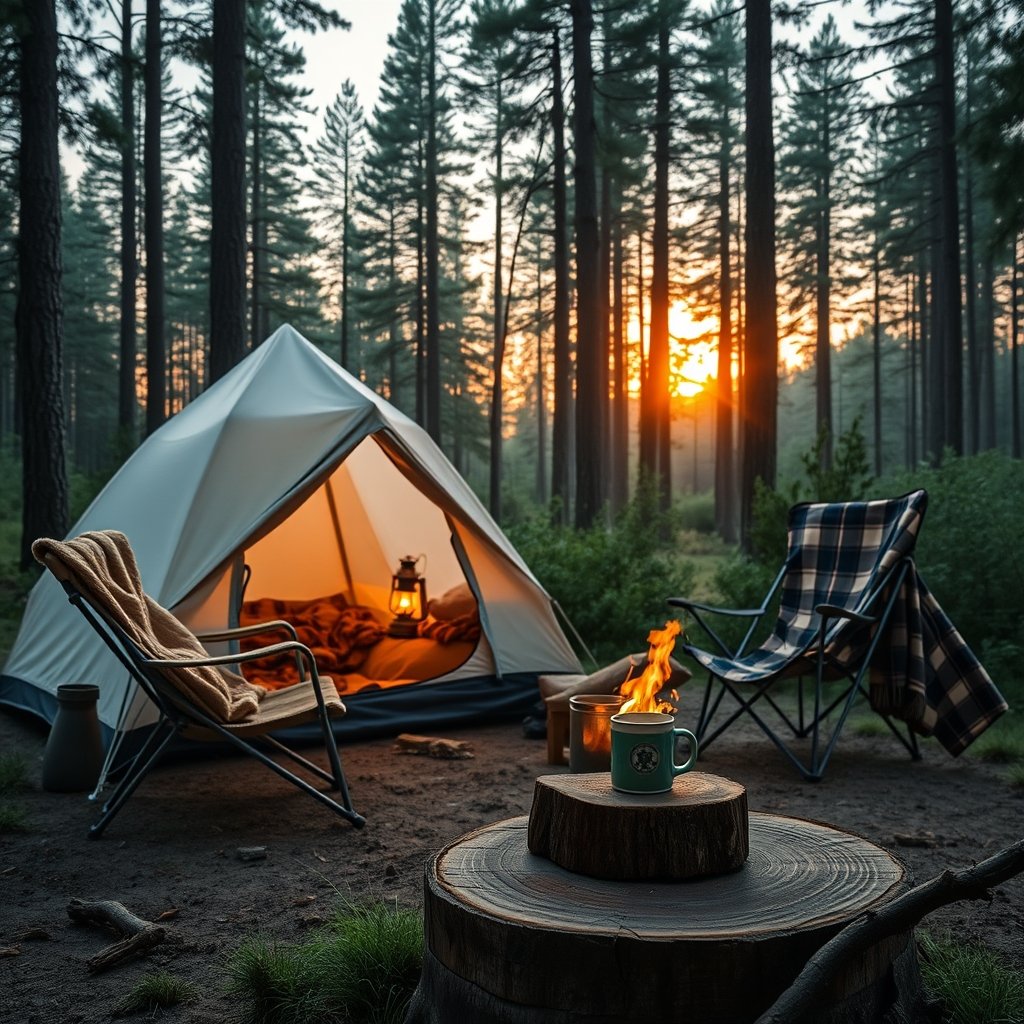
People new to camping often imagine cozy scenes—soft bedding, a crackling fire, relaxing inside a spacious tent while rain taps on the fly. However, real-world feedback in 2024 shows many beginners end up sleeping on sloping ground, shivering in untested sleeping bags, or fighting with confusing gear after sunset. The key to actual coziness is practical preparation and routine, not just buying the right gear.
If you want to dive deeper into specific types of cozy gear setups, check out this helpful guide on cozy camping gear for actionable ideas and must-have items.
How to Get Cozy: Step-by-Step Camping For Beginners
Here’s how real beginners can actually achieve a cozy setup on their first camping trip. Each step below is based on the most frequent problems, evidence-based tips from outdoor experts, and honest community feedback.
-
Plan Your Trip and List Essentials
Use a beginner-friendly checklist like this camping checklist for beginners. Double check you haven’t forgotten tent stakes, sleeping pad, lighters, or meal ingredients. -
Backyard Gear Test
Pitch your tent, inflate your mattress, and sleep outside for a night if possible. Practice using your stove, lantern, and food prep. Troubleshoot issues now, not at camp. -
Smart Campsite Selection
At the site, pick a flat, rock-free area away from slopes, flood-prone spots, or exposed windy areas. Choose spots closer to water and restrooms but not directly by high-traffic paths or trash areas (to avoid wildlife risk). -
Setup Camp in Daylight
Arrive with at least two hours of daylight left. Set up tents first, then make your bed, organize lights, food, and prepare firewood (if the site allows fires). -
Layer for Comfort
Use a sleeping bag rated for the night temperature plus a liner or compact blanket. Bring an eyemask and earplugs for light/noisy sites. Consider extra pillows, not just the inflatable kind; even a bundled hoodie works in a pinch. -
Simple Warm Meals
Opt for easy, one-pot dinners. Check out simple camping meals for beginners for stress-free ideas. -
Evening Routine for Warmth and Calm
Clean up before dark, hang up food, set out your next morning’s clothes inside your sleeping bag for an extra-warm sleep start. Use soft lanterns or string lights—see these cozy camping lighting tips for easy atmosphere.
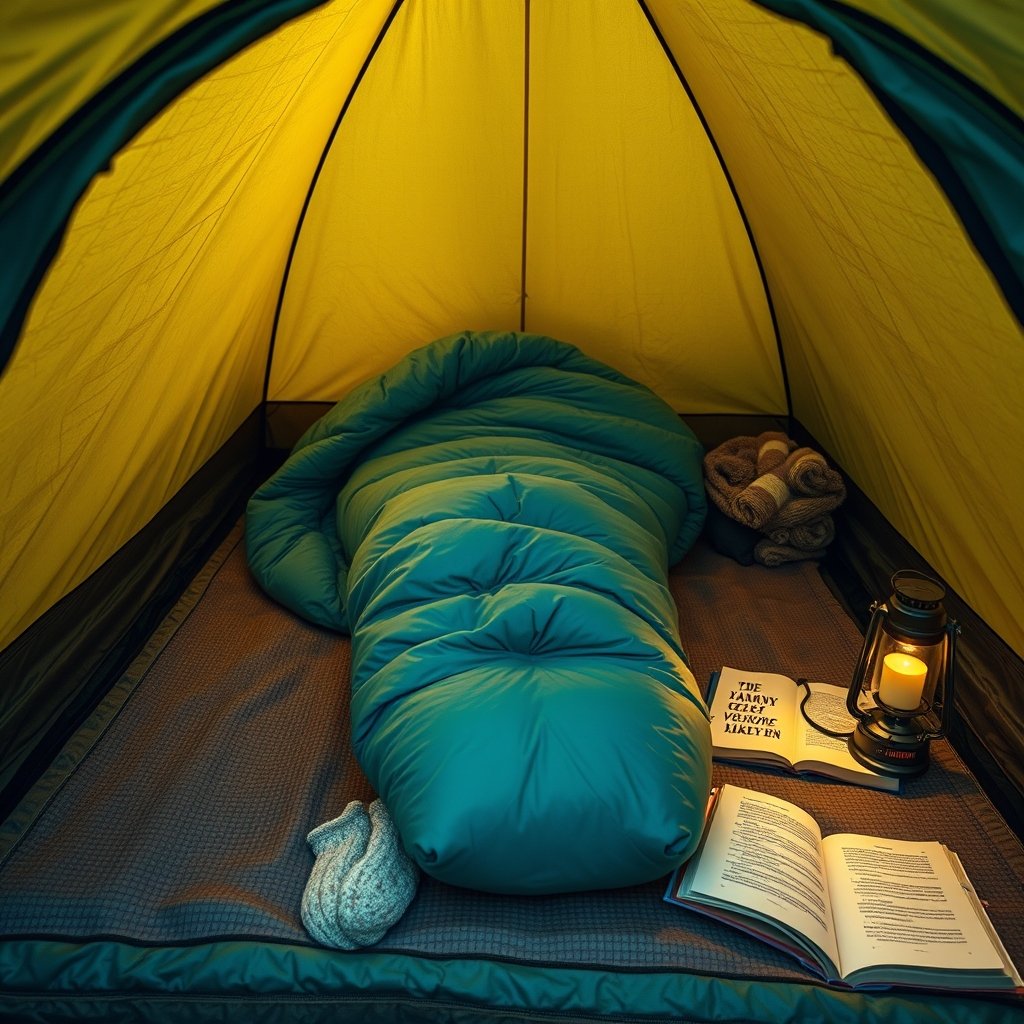
If you’re leaning toward a minimalist approach, read this minimal cozy camping guide for tested ways to sleep warmer without overloading gear.
And if you’re car camping or have more room, a cozy car camping setup will maximize comfort with minimal extra steps.
Advanced Analysis & Common Pitfalls
Even with the steps above, first-time campers frequently run into issues that hurt their comfort or safety. Based on analysis of 2024 forums, reviews, and expert reports, here’s where most beginners go wrong—and how to do better.
| Issue | Consequence | How to Avoid |
|---|---|---|
| Sloped/Uneven Ground | Sliding and poor sleep; risk of sore back/blisters | Test pitch tent on flat ground; reposition before unpacking |
| Cramped Tent / Skipping Living Space | Stuck indoors in rain; no room for gear or comfort | Choose a tent with extra capacity; practice setup in backyard |
| Arriving at Camp After Dark | Rushed/unorganized setup; missed hazards; higher stress | Depart early; plan for two daylight hours on arrival |
| Untested New Gear | Equipment failures; trouble sleeping/eating | Trial all gear at home, learn to operate stoves, lights, etc. |
| Poor Site Drainage | Soggy or flooded tent in rain | Scout for high, well-drained spots; check before pitching tent |
| Leaving Food Unsecured | Wildlife encounters, safety risk | Hang/lock food every night, clean up early |
| Overpacking Heavy Gear | Fatigue, hard setup, clutter at camp | Use a lightweight checklist; aim for 15-20% bodyweight max |
| Rushing/Skipping Cleanup | Lost/forgotten gear, more work packing out | Reverse setup routine for cleanup, double check site |
For more actionable ideas to fix these mistakes, browse the 22 best camping hacks for pro-level shortcuts and stress-saving routines.
If you want a quick checklist to use, here’s another essentials-focused option: cozy camping checklist.
Conclusion
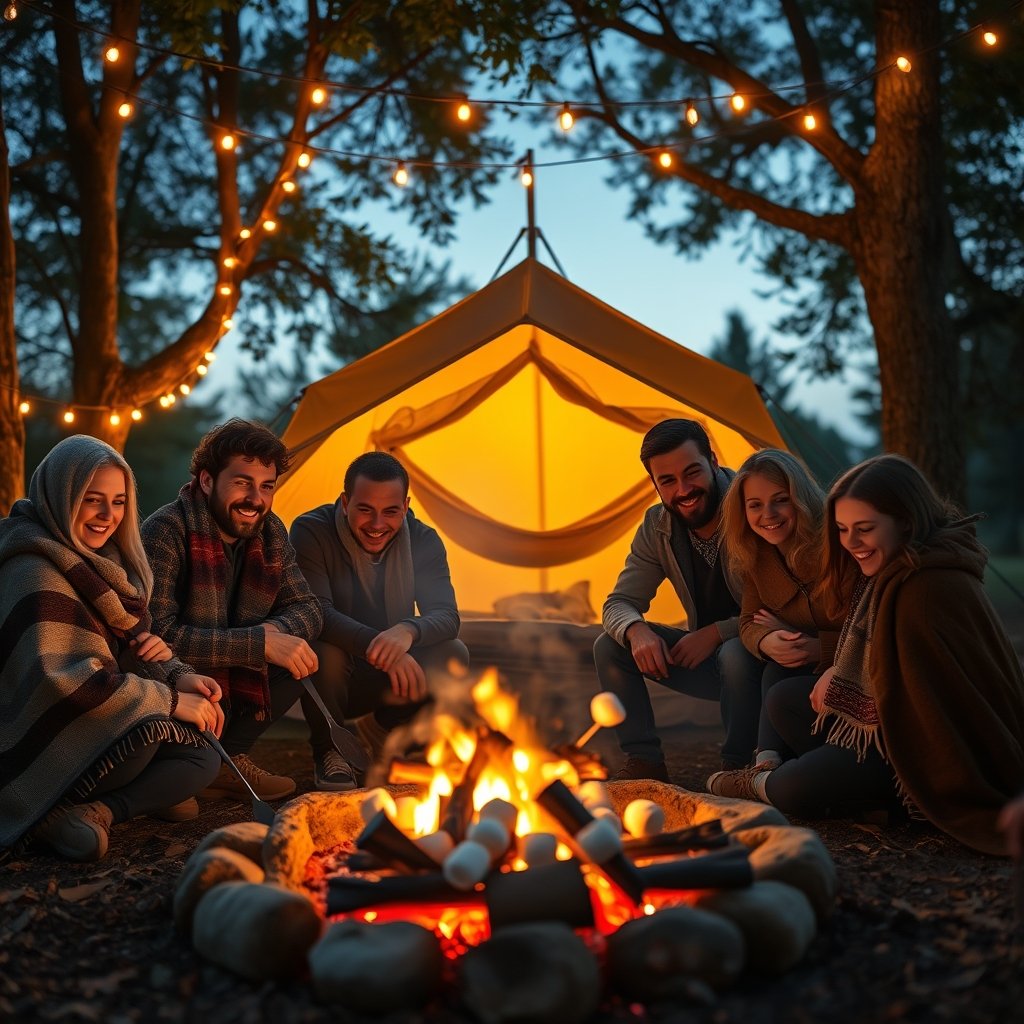
Genuine comfort for cozy camping for beginners comes from realistic planning, testing your setup at home, smart site selection, and a few simple gear upgrades—not from spending the most money or chasing the most “Instagrammable” scene. Start small, prioritize warmth and routine, and embrace a few proven tricks to avoid the most common problems. For more practical advice, gear ideas, and simple hacks, explore our guides on beginner camping tips and experiment with your own cozy style. Ready to upgrade your first outdoor night? Try these steps, avoid the rookie mistakes, and your next campfire comfort will feel genuinely earned.
FAQ
What is the biggest mistake most first-time campers make?
Arriving late and setting up camp in the dark is the most common error. This often leads to poorly placed tents, missed hazards, and a stressful start to the trip. Always aim to set up with at least two daylight hours remaining.
How warm does my sleep system need to be?
Your sleeping bag should be rated for temperatures 5-10°F below the expected low. Always test the system at home to avoid shivering or sleepless nights at camp.
Is car camping or tent camping easier for beginners looking for comfort?
Car camping has fewer variables and more backup options (extra blankets, gear access), making it much easier to achieve a cozy first experience compared to hiking to a tent site with new gear. See this car camping comfort guide for practical tips.
What essential gear should I never skip for a cozy trip?
Never skip a good sleeping pad/mattress, tested sleeping bag, reliable lighting, and backup fire-starting supplies. A well-chosen tent and extra warm layer make a huge difference.
How do I stay cozy on a tight budget?
Borrow, rent, or buy used gear to start out. Focus on insulation and sleep comfort first; DIY or improvise small comforts. For cost-saving tips, check out these budget cozy camping gear ideas.
—